Exploring VR and AR: Redefining Reality and Connection

AI generated image. “Projects, projects, and more projects with tight deadlines! How is this my life!?”

The Thinking Minute

Imagine this: you’re sitting down, staring at the screen, and I’m about to throw you into an existential whirlpool—but stay with me. One day, hopefully far from now, you won’t be here. No more sunsets, no more memes, no more you. Now that the gravity of that thought has anchored itself, let’s ask the big question: what makes anything we do in this fleeting existence matter? We grind through our daily lives, often driven by the hamster wheel of work and bills, sacrificing self-growth on the altar of employment. Yet, life is finite—and doesn’t that truth compel us to ask, “What is this all for?”

Here’s where this gets even more fascinating. Picture this: after you’ve shuffled off this mortal coil, someone dons a VR headset. In an instant, there you are—fully rendered, fully interactive, almost as if you never left. How would it feel to live on in this digital eternity? Would the knowledge of this virtual persistence change how we live our physical lives? These questions touch the edge of both philosophy and technology, and today, we’ll dive headfirst into the deep end of this thought-provoking fusion. Buckle up; it’s going to get weird—in the best way.

Exploring the Wonders of VR/AR and AI Technology

Virtual Reality (VR) and Augmented Reality (AR) are transforming the way we interact with the digital and physical worlds. These groundbreaking innovations extend far beyond novelty—they have applications that enrich education, entertainment, healthcare, and so much more.

The Purpose of VR and AR

The primary goal of VR and AR is to reshape how we engage with both our surroundings and the digital realm. VR immerses users entirely in a computer-generated environment, enabling experiences like gaming, virtual training, therapy, or even simulated travel to far-off places. In contrast, AR overlays digital information on the real world, augmenting daily tasks such as navigation, surgical procedures, or even retail through virtual try-ons. Together, these technologies bridge the gap between the physical and digital, redefining the way we live, learn, work, and play.

The Progress of VR/AR Technology

Over the years, VR/AR has seen remarkable advancements. Early models were bulky and functionally limited, but modern devices like the Meta Quest, Microsoft HoloLens, and AR-enabled smartphones offer highly interactive and immersive experiences. These technologies have found widespread use in fields such as healthcare, education, and industrial design, enabling high-fidelity simulations and training environments. However, challenges remain, such as reducing costs, improving user comfort (e.g., mitigating motion sickness), and creating even more natural interfaces. Exciting developments like lightweight headsets, enhanced resolution, and seamless AR glasses are paving the way for even broader adoption.

AI: Can It Replicate Loved Ones?

AI holds the potential to replicate certain aspects of a loved one by using data such as photos, videos, voice recordings, and written communication. Advanced machine learning algorithms enable the creation of digital avatars or chatbots that mimic a person’s appearance, speech, and even emotional expressions. While these representations can evoke familiarity, they lack the depth of consciousness, personality, and the unique dynamism of human beings. As fascinating as this prospect is, it raises important ethical questions about consent, privacy, and the psychological impact on users.

The Cost of Digital Connections

Maintaining a digital likeness of a loved one would likely involve a subscription model for data storage, regular updates, and ongoing AI refinement. The price of such services would vary depending on the level of detail and functionality desired. For many, the decision would be highly personal, influenced by financial circumstances and emotional priorities.

Current Technologies That Simulate Reanimation

While true reanimation remains impossible, today’s technology can replicate certain facets of a loved one’s presence. For example, holographic displays can visually project lifelike representations, and AI-driven voice interfaces allow simulated conversations. Deepfake technology adds another layer of realism by animating visuals in convincing ways. However, these tools, while powerful, remain limited to imitation and lack the genuine emotional connection and consciousness of a loved one.

Ethical Considerations and the Road Ahead

As these technologies continue to evolve, they open extraordinary possibilities while raising complex ethical dilemmas. Questions around data privacy, the psychological effects of engaging with digital replications, and societal implications need careful consideration. At the same time, innovations in VR, AR, and AI offer immense potential to enrich lives, preserve memories, and transform industries.

These breakthroughs underscore humanity’s drive to push the boundaries of innovation. As we navigate their development and adoption, it’s vital to balance technological possibilities with ethical responsibilities. What does the future hold for these advancements? Only time will tell, but their impact is already reshaping our world.

Key Takeaways

  1. Purpose of VR/AR: VR creates immersive digital environments, while AR overlays digital elements onto the real world. Both aim to bridge physical and digital spaces, redefining experiences in various sectors like gaming, healthcare, and education.
  2. Advancements in VR/AR: Modern devices, such as the Meta Quest and Microsoft HoloLens, provide sophisticated and interactive experiences. Progress includes lighter headsets, enhanced resolution, and seamless AR glasses, though challenges like cost and user comfort remain.
  3. AI and Loved Ones’ Replication: AI can replicate aspects of a loved one using data inputs (e.g., photos, messages, videos). Machine learning enables simulations of speech and behaviors, but these replications lack the depth, consciousness, and dynamic essence of human beings.
  4. Costs of Digital Maintenance: Maintaining a digital likeness of a loved one may involve subscription fees for data storage, updates, and model refinement, making it a personal and emotional financial decision.
  5. Technologies for Reanimation: While true reanimation is unattainable, technologies like holographic displays, deepfake creations, and AI-driven digital avatars simulate some aspects of a loved one’s presence, albeit in an imitative way.
  6. Ethical Considerations: The use of AI for replicating loved ones raises important ethical concerns, including privacy, consent, and emotional impacts on users.
  7. Broader Impact: These advancements reflect humanity’s innovative drive, offering opportunities to enrich lives while demanding thoughtful consideration of their societal and emotional implications.

Love learning tech? Join our community of passionate minds! Share your knowledge, ask questions, and grow together. Like, comment, and subscribe to fuel the movement!

Don’t forget to share.

Every Second Counts. Help our website grow and reach more people in need. Donate today to make a difference!

One-Time
Monthly
Yearly

Make a one-time donation

Make a monthly donation

Make a yearly donation

Choose an amount

$5.00
$15.00
$100.00
$5.00
$15.00
$100.00
$5.00
$15.00
$100.00

Or enter a custom amount

$

Your contribution is appreciated.

Your contribution is appreciated.

Your contribution is appreciated.

DonateDonate monthlyDonate yearly


From Hobby to Income: Monetize What You Love

AI-generated image. “Hey, it’s time to have that talk. What do you enjoy doing?”

Is Your Pastime “Boring” to Others—But Not to You?

Let’s be honest—binge-watching your favorite show is practically an art form. But unless you’ve found a way to get paid for marathon sessions, it’s not exactly filling up the bank account. Sure, there are some unique folks out there who might tune in just to watch you snack your way through an entire series, but let’s focus on something a little more… productive.

The truth is, every person has a hobby they genuinely enjoy—some of them even have serious money-making potential. So, what about yours? Could your favorite pastime actually turn into a side hustle or a full-fledged career? Let’s break it down.

My “Boring” Pastime—Or Is It?

If you’ve been following me for a while, you already know that tech is my jam. Cybersecurity, cloud computing, AI—you name it, and I’ve probably stayed up way too late researching it. My brain is basically stuck on an endless loop of learning, sometimes out of sheer curiosity, other times because I have to. And while I love it (most of the time), there are definitely days when I wouldn’t mind being a full-time couch potato instead.

Now, here’s the thing—this keeps me entertained, but when I chat with my peers in the industry, I realize their perspective is different. For many of them, landing a tech job was more about securing a paycheck than diving into something they’re truly passionate about. And that makes me wonder—if money wasn’t a factor, would people actually enjoy their work?

I’ve freelanced a few times, offering my skills to coworkers and friends, but I haven’t made a dime from it. And honestly? I’m fine with that. I do it because I enjoy problem-solving. But, reality check—passion alone doesn’t cover rent. So, maybe it’s time to rethink my approach. Could my so-called “boring” pastime actually become something bigger?

AI-generated image. “Everyone is into computers now. How am I any different?”

Why Do We Think Some Hobbies Are Boring?

There are a few reasons a pastime might start feeling dull:

  • Repetition without progress: If you’re doing the same thing over and over without learning or leveling up, the excitement wears off fast.
  • Lack of connection: Some hobbies feel dull when done solo, but they come to life when shared with others who appreciate the same things.
  • External pressure: A once-fun activity can feel like a burden when you start feeling obligated to monetize it or meet high expectations.
  • Comparison overload: Social media makes it easy to feel like your efforts don’t measure up, making you question whether your hobby is even worth pursuing.
  • Burnout: Doing something too often without variety can lead to fatigue and disinterest.

How to Make Your Hobby Exciting Again

Ready to shake things up? Try this:

  • Set new challenges: Push yourself beyond the usual—if you write short stories, try poetry. If you game casually, enter competitions.
  • Find your people: Join clubs, online communities, or local meetups. Learning from others or teaching someone new can reignite your passion.
  • Change your scenery: Experiment with where, when, or how you engage in your hobby. A fresh perspective can work wonders.
  • Mix it up: Combine your pastime with other interests—listen to podcasts while crafting, or travel somewhere new to practice photography.
  • Take a break: Sometimes stepping away temporarily lets you come back with renewed excitement and appreciation.

Can You Turn It Into a Business?

You might be sitting on a goldmine without even realizing it. Here are some ways to monetize what you love:

  • Teach what you know: Create courses, host workshops, or offer one-on-one coaching.
  • Sell related products: Whether it’s handmade crafts, fitness plans, or digital artwork, there’s a market for it.
  • Content creation: Start a blog, YouTube channel, or podcast about your hobby—monetize through ads, sponsorships, or affiliate marketing.
  • Offer services: From gaming tutorials to landscaping consultations, every skill has value if marketed right.
  • Network strategically: Connecting with others in your space can open doors to unexpected business opportunities.
AI-generated image. “Hobbies are more than just a pastime. They can showcase your skills.”

Final Thoughts

At the end of the day, a “boring” pastime is only boring if you let it be. Whether you turn your hobby into a paycheck or simply rework how you approach it, there’s always room to rediscover joy in what you love. So don’t dismiss it just yet—embrace the passion, and who knows? That thing you love might just become your next big move.

What’s your pastime? And more importantly—what’s stopping you from making the most of it?

Key Takeaways

  • Passion vs. Profit: Just because you enjoy something doesn’t mean it can’t become a source of income. Many hobbies have the potential to be monetized with the right approach.
  • Perspective Matters: What seems “boring” to outsiders might be incredibly fulfilling to you—don’t let external opinions dictate the value of your pastime.
  • Why Hobbies Feel Stale: Repetition, lack of social connection, external pressure, burnout, and comparison can all make a hobby feel boring over time.
  • How to Rekindle Interest: Setting new challenges, finding a community, varying your approach, taking breaks, and combining hobbies can help reignite enthusiasm.
  • Turning a Hobby into Income: Teaching others, creating products, content creation, offering services, and networking can transform a pastime into a legitimate side hustle or business.
  • Mindset Shift: Even if you’re not making money yet, consistently engaging in your hobby can lead to opportunities you may not expect.

Love learning tech? Join our community of passionate minds! Share your knowledge, ask questions, and grow together. Like, comment, and subscribe to fuel the movement!

Don’t forget to share.

Every Second Counts. Help our website grow and reach more people in need. Donate today to make a difference!

One-Time
Monthly
Yearly

Make a one-time donation

Make a monthly donation

Make a yearly donation

Choose an amount

$5.00
$15.00
$100.00
$5.00
$15.00
$100.00
$5.00
$15.00
$100.00

Or enter a custom amount

$

Your contribution is appreciated.

Your contribution is appreciated.

Your contribution is appreciated.

DonateDonate monthlyDonate yearly

Why Reading About Mobile Gaming and Blockchain Can Change Your Life

Key Takeaways

  • Mobile Gaming Landscape:
    • Popular multi-platform games include Fortnite, Minecraft, Roblox, Genshin Impact, and more.
    • Pay-to-win models are prevalent in many free-to-play games.
  • Navigating the Pay-to-Win Model:
    • Research games before playing to understand their monetization models.
    • Be mindful of in-app purchases and set spending limits.
    • Prioritize skill-based rewards and balanced gameplay.
    • Consider single-player or premium games for a more traditional experience.
  • Winning Without Spending:
    • Focus on skill, strategy, and time investment.
    • Join communities, collaborate with other players, and choose the right games.
    • Manage stamina limits effectively and stay motivated.
  • Blockchain and Mobile Gaming:
    • Blockchain can enhance certain aspects of mobile gaming, but it’s not a requirement.
    • Potential benefits include NFT-based in-game items, play-to-earn models, and decentralized governance.
  • Blockchain and Finance:
    • Blockchain offers security, transparency, efficiency, and accessibility in finance.
    • However, it faces challenges in complexity, scalability, regulatory uncertainty, and energy consumption.
    • Hybrid approaches, like cryptocurrency investments and DeFi, can be incorporated into personal finance.
  • Important Considerations:
    • Prioritize security when dealing with cryptocurrencies and blockchain-based platforms.
    • Be aware of the volatility of cryptocurrencies and the evolving regulatory landscape.
AI-generated image. This world is quickly heading towards Ready Player One.

The World of Mobile Gaming: Navigating Multi-Platform Games and Pay-to-Win Models

Welcome back, my fellow… I don’t know what to call people who read this. I’m going to go with readers for right now until I find something clever. Comment a name if you can think of one, and we’ll split the credit. Now, we all know mobile gaming has become a significant part of our daily lives, offering a wide range of games that can be played on various platforms. Whether you’re a casual gamer or a hardcore enthusiast, there’s something for everyone. Let’s dive into some popular multi-platform games and discuss the controversial pay-to-win model that has become prevalent in the industry. Yeah, I know it’s not fair but neither is life.

Popular Multi-Platform Mobile Games

So, let’s say you’re in the market to play some games on your, and you just know what games are out there. If only you had a library to tickle your fancy. Well here are a few popular multi-platform games that you can enjoy on your cell phone:

  1. Fortnite: One of the most popular battle royale games, available on iOS and Android.
  2. Minecraft: A sandbox game where you can build and explore, available on mobile devices.
  3. Roblox: A platform where you can create and play games, available on mobile devices.
  4. Genshin Impact: A popular open-world RPG, available on mobile devices.
  5. Call of Duty: Mobile: A mobile version of the popular first-person shooter franchise.
  6. Pokémon GO: A location-based augmented reality game, available on mobile devices.
  7. Among Us: A social deduction game where you have to figure out who the imposter is, available on mobile devices.
  8. Brawlhalla: A 2D fighting game, available on mobile devices.
  9. Stardew Valley: A farming simulation game, available on mobile devices.

These games are free to play, but many of them incorporate a “pay-to-win” model, which can create an unfair advantage for players who spend money. But don’t be disheartened. Just because they dropped big bucks to win, doesn’t always mean they’re going to win. While spending some cash could put you ahead of most players, other players who make time to study the mechanics of the game could make you feel like you just wasted your last bottom dollar.

The Pay-to-Win Model: A Double-Edged Sword

To the gaming companies, a question for you? How could you do this? Who hurt you? The pay-to-win model is a significant concern in the free-to-play gaming industry. It can create an unfair advantage for players who spend money, potentially ruining the experience for those who don’t. To the non-payers, clearly, you want to revolt. Here are some tips to help you make informed decisions:

  1. Research Before You Play:
  • Read Reviews: Check reviews from other players to see if a game is pay-to-win.
  • Watch Gameplay Videos: Observe how the game progresses and if there are significant advantages for paying players.
  • Join Online Communities: Ask other players for their experiences.
  1. Be Mindful of In-App Purchases:
  • Set Spending Limits: Limit the amount you’re willing to spend on a game.
  • Avoid Impulsive Purchases: Take a break before making a purchase to avoid regret.
  1. Choose Games with Fair Progression Systems:
  • Skill-Based Rewards: Look for games that reward skill and effort, not just spending money.
  • Balanced Gameplay: Avoid games with overpowered items or abilities that can only be obtained through purchases.
  1. Consider Alternatives:
  • Single-Player Games: These often offer a complete experience without microtransactions.
  • Premium Games: Pay a one-time fee for a game without any additional costs.
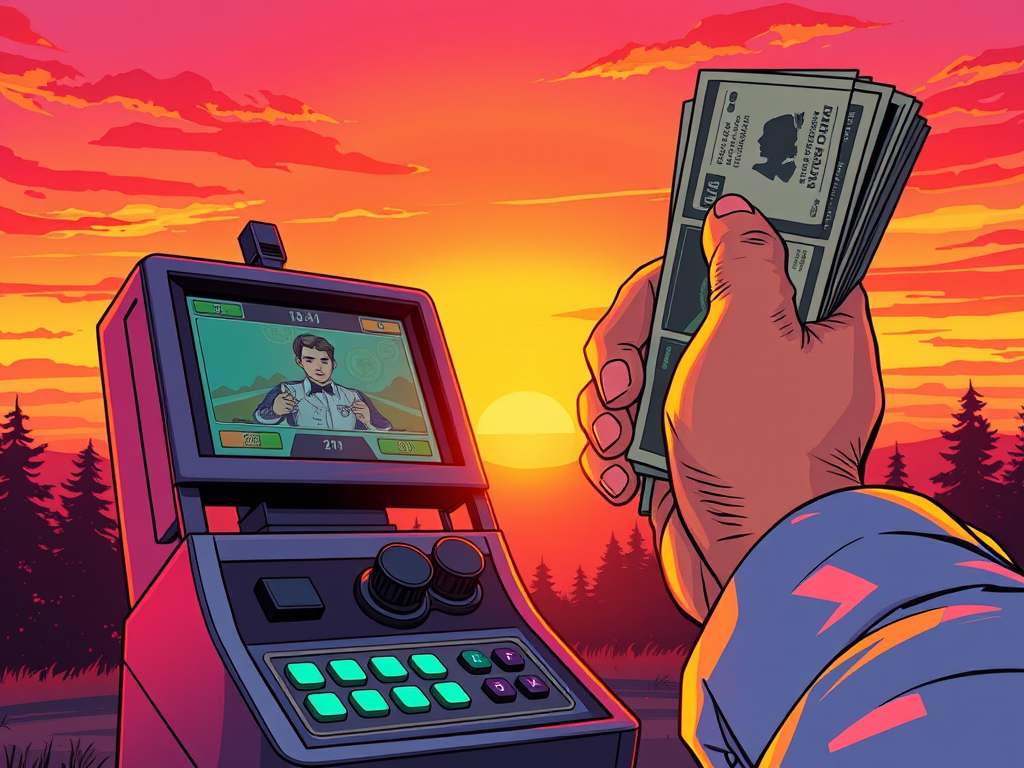
AI-generated image. Everyone’s a winner when you’re willing shell out cold hard cash.

Winning a Pay-to-Win Game Without Spending

As mentioned before, and if you didn’t read it, I suggest you start from the beginning, and read the why you’re supposed to. Again, while it’s challenging to directly compete with players who invest heavily in pay-to-win games, there are strategies to maximize your chances:

  1. Skill and Strategy:
  • Master the Game: Develop exceptional skills and strategies. Practice consistently to improve your gameplay.
  • Learn Game Mechanics: Understand the game’s mechanics in-depth to exploit any weaknesses or optimize your playstyle.
  1. Time Investment:
  • Grinding: Dedicate significant time to grinding for in-game rewards, leveling up, and unlocking achievements.
  • Daily and Weekly Challenges: Complete these to earn valuable rewards without spending.
  1. Community and Collaboration:
  • Join Communities: Connect with other players to share tips, strategies, and resources.
  • Team Up: Collaborate with other players to overcome challenges and achieve shared goals.
  1. Choose the Right Game:
  • Research: Look for games with a fair progression system and a strong community.
  • Avoid Excessive Pay-to-Win Elements: Opt for games that prioritize skill and strategy overspending.
  1. Patience and Persistence:
  • Long-Term Perspective: Understand that progress may be slower without spending.
  • Stay Motivated: Keep playing and enjoying the game, even if it takes time to reach your goals.

Staying Motivated Despite Stamina Limits

If you’re new to mobile gaming, then let me introduce you to another dirty little trick gaming companies came up with to keep you wanting to spend quarters. In the right upper corner, is the stamina bar. Or the amount of stamina you have play with until the game tells you, “Oh, well, you’re done playing here. Either pay to get more stamina or just wait three hours.” Yes, we all know that stamina limits can be frustrating, but there are ways to stay motivated while dealing with them:

  1. Set Realistic Goals:
  • Short-Term Wins: Break down larger goals into smaller, achievable tasks.
  • Celebrate Milestones: Reward yourself for reaching these smaller goals.
  1. Time Management:
  • Plan Your Playtime: Allocate specific time slots for gaming.
  • Maximize Efficiency: Use your stamina wisely and focus on the most rewarding activities.
  1. Diversify Your Gameplay:
  • Switch Things Up: Experiment with different game modes or challenges to keep things fresh.
  • Explore Other Games: Take a break from the main game to play something else.
  1. Community Engagement:
  • Join Online Communities: Connect with other players, share tips, and discuss strategies.
  • Collaborate with Others: Team up with friends to tackle challenging content.
  1. Positive Mindset:
  • Focus on the Fun: Remember why you started playing the game in the first place.
  • Don’t Stress: Take breaks and avoid getting too frustrated.
AI-generated image. Things are prone to get weird when certain tech comes together.

Blockchain and Mobile Gaming: A Complex Relationship

So, yeah, this is a curve ball you didn’t see coming, but it’s time for us to get nerdy here. Did you know that mobile gaming and blockchain technology are not inherently linked, but they can intersect in various ways:

  1. Blockchain-Based Mobile Games:
  • NFT-Based In-Game Items: Players can own and trade digital assets.
  • Play-to-Earn Models: Players can earn cryptocurrency or NFTs by playing the game.
  • Decentralized Governance: Players can participate in decision-making processes.
  1. Blockchain Integration for Security and Transparency:
  • Securing In-Game Transactions: Using blockchain to secure in-game transactions and prevent cheating.
  • Ensuring Transparency: Ensuring transparency in item drops and loot box mechanics.

While blockchain can enhance certain aspects of mobile gaming, it’s not a requirement for a successful mobile game. Many popular mobile games operate without any blockchain integration.

Explaining Blockchain to Beginners

So, if you’re unfamiliar with blockchain here comes a little insight. Imagine a digital ledger, like a giant, unbreakable notebook. In this notebook, every transaction, and every piece of information is recorded. Once something is written down, it can’t be erased or changed. This makes it super reliable and trustworthy. Now, instead of just one person keeping this notebook, imagine many people, all over the world, have their own copy. They all work together to make sure the information is accurate and consistent. If someone tries to change something, everyone else will notice and correct it. This is basically what blockchain is. It’s a technology that allows us to create a transparent, secure, and decentralized system for recording information. It’s like a digital trust system, where everyone can see what’s happening, and no one can cheat.

AI-generated image. We’re all just trying to find the right balance.

Blockchain in Finance: Pros and Cons

This sounds great. Why aren’t we just doing away with the way we deal with finances now and moving to this model? While blockchain technology holds immense potential to revolutionize finance, it’s not quite ready to replace traditional financial systems entirely. Here’s a breakdown of the pros and cons:

Pros of Blockchain in Finance:

  • Security: Blockchain’s decentralized nature and cryptographic security make it highly resistant to hacking and fraud.
  • Transparency: All transactions are recorded on a public ledger, increasing transparency and accountability.
  • Efficiency: Smart contracts can automate many financial processes, reducing costs and speeding up transactions.
  • Accessibility: Blockchain can provide financial services to people who are unbanked or underbanked.

Cons of Blockchain in Finance:

  • Complexity: The technology is complex and can be difficult to understand and implement.
  • Scalability: Many blockchains struggle to handle a high volume of transactions.
  • Regulatory Uncertainty: The regulatory environment for blockchain is still evolving, creating uncertainty for businesses and individuals.
  • Energy Consumption: Some blockchains, like Bitcoin, require significant energy to operate.

A Hybrid Approach to Personal Finance with Blockchain

While full-scale adoption of blockchain in personal finance is still emerging, here are some practical ways to incorporate it into your financial life:

  1. Cryptocurrency Investments:
  • Choose a Reliable Exchange: Platforms like Coinbase, Binance, or Kraken allow you to buy and sell cryptocurrencies like Bitcoin, Ethereum, and others.
  • Diversify Your Portfolio: Spread your investments across various cryptocurrencies to reduce risk.
  • Use a Secure Wallet: Store your cryptocurrencies in a secure digital wallet, such as a hardware wallet or a reputable software wallet.
  1. Decentralized Finance (DeFi):
  • Explore DeFi Platforms: Platforms like Uniswap and Aave offer decentralized lending, borrowing, and trading services.
  • Understand the Risks: DeFi is still a relatively new and volatile space, so it’s important to do your research and only invest what you can afford to lose.
  1. Blockchain-Based Payment Systems:
  • Use Crypto Payment Processors: Services like BitPay and Coinbase Commerce allow you to accept cryptocurrency payments for your business or personal transactions.

Important Considerations:

  • Security: Always prioritize security when dealing with cryptocurrencies and blockchain-based platforms. Use strong passwords, enable two-factor authentication, and be cautious of phishing attacks.
  • Volatility: Cryptocurrencies are highly volatile, so be prepared for price fluctuations.
  • Regulatory Risks: The regulatory landscape for cryptocurrencies and

Love learning tech? Join our community of passionate minds! Share your knowledge, ask questions, and grow together. Like, comment, and subscribe to fuel the movement!

Don’t forget to share.

Every Second Counts. Help our website grow and reach more people in need. Donate today to make a difference!

One-Time
Monthly
Yearly

Make a one-time donation

Make a monthly donation

Make a yearly donation

Choose an amount

$5.00
$15.00
$100.00
$5.00
$15.00
$100.00
$5.00
$15.00
$100.00

Or enter a custom amount

$

Your contribution is appreciated.

Your contribution is appreciated.

Your contribution is appreciated.

DonateDonate monthlyDonate yearly