Quick note: if you’re viewing this via email, come to the site for better viewing. Enjoy!
I will not turn around until someone explains the cloud to me. Photo by Felix Mittermeier, please support by following @pexel.com
Heading Onward
The cloud, for most people, is a mystery, for others, it’s a place for people to brag about where they house their data, and for the growing population of others, it’s a place where all the payment plans come from.
Since Cloud has stepped or more likely floated on the scene, depending on who you ask, there has been a slew of payment plans being offered that weren’t thought of before. And the people who benefit most from it aren’t big-name companies, they’re cybercriminals.
Payment plans in cloud computing are different methods that customers can pay for the services and resources they use from cloud providers.
There are different types of payment plans, such as pay-as-you-go, subscription, reserved instances, spot instances, and free tier. Each payment plan has its own advantages and disadvantages, depending on the customer’s needs and preferences.
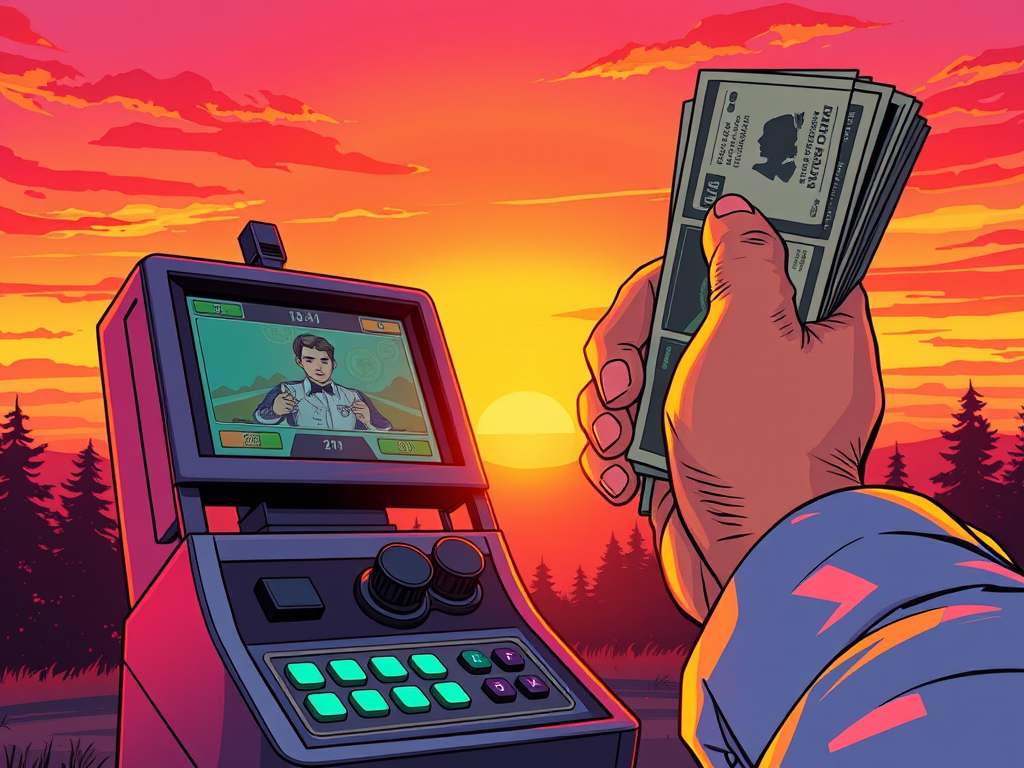
Pay-as-you-go is the most flexible and common payment plan, where customers only pay for what they use, without any upfront or long-term commitment. A subscription is a payment plan where customers pay a fixed amount per month or year for a certain level of service or resource allocation.
Enjoy the read so far? Why don’t you consider subscribing so you can keep up to date?
We’re cloud providers and you can pay-as-you-go, we promise. Photo by Timur Weber, please support by following @pexel.com
Reserved instances are a payment plan where customers pay upfront for a specific number of resources for a certain period of time, usually at a discounted rate.
Spot instances are a payment plan where customers bid for unused resources at a variable price, which can be lower or higher than the regular price. The free tier is a payment plan where customers can use a limited number of resources for free, usually for a trial period or for testing purposes.
What’s that? These are all great things; they’re offering different ways for people to be able to make payments on their bills. We can you hear say, and we say to you; Remember this is the internet we’re talking about here. Nothing here stays pure.
However, with this same concept for payment options in the cloud comes similar payment options on hacking forums and other seedy places to trade data. A few of the payment plans (feel free to look them up as we’ll be sure that you’ll find them and more) are phishing-as-a-service, scam-as-service, malware-as-a-service, ransomware-as-a-service, and many more.
We’re not too sure how some of these services actually work, the idea could be similar to cloud payment plans, but the fact that they’re out there and growing in numbers seems promising for the cyber problems to come.
Made it this far and found this to be entertaining? Then a big thanks to you and please show your support by cracking a like, sharing this with whomever, scripting a comment, or plug-in to follow.
Would like to give sincere thanksto current followers and subscribers, your support and actions mean a lot and has a play in the creation of each script.
Do you feel like there is something I may have missed on various as-a-service payment plans? Script a comment below.
Enable communication and data exchange between devices.
Transition from IPv4 to IPv6 to accommodate the growing number of connected devices.
Cookies:
Small text files stored on your device by websites.
Enhance user experience by personalizing browsing and remembering preferences.
Raise privacy concerns due to tracking capabilities.
Privacy Considerations:
Browser settings allow you to control cookie usage.
Tracking protection features limit website tracking.
VPNs can enhance privacy by masking your IP address.
Future Trends:
Continued adoption of IPv6.
Development of privacy-preserving technologies like the Privacy Sandbox.
Importance of Awareness:
Understanding IP addresses and cookies is crucial for navigating the digital world with greater privacy and security.
AI-generated image. “Why do I always have this feeling that someone is watching me?”
Come one, come all! Welcome back to another exciting, PC booting hot topic on the internet for the internet. Here’s a question for you. Do you ever get the feeling that somewhere, at some time, someone…is watching you? Stalking you around every corner, documenting your every move? If you said ‘no’, then you never had a manager. If you said ‘yes’ to however, then welcome. You are not alone in the “Rockwell” experience. Today, we are going over IP addresses and the delicious item grandma use to make, those sweet, tasty, moist…cookies.
Unmasking the Invisible Web: Understanding IP Addresses and Cookies
The internet, in case you didn’t know and have been living underneath a boulder, is a vast network connecting billions of devices worldwide, relies on a complex system to function. Two key players in this intricate web are IP addresses and cookies. While seemingly invisible, they play a crucial role in how we interact with the digital world.
IP Addresses: Your Digital Passport
Imagine every device connected to the internet—your phone, laptop, smart home devices—as having a unique address. That’s essentially what an IP address is. It’s a numerical label assigned to each device, allowing it to communicate and exchange data with other devices across the network.
Think of it like your physical address. Your home address allows mail carriers to deliver mail to your specific location. Similarly, an IP address guides data packets to the correct destination on the internet.
IPv4 and IPv6: Historically, we’ve been using IPv4, a system with a limited number of addresses (approximately 4.3 billion). As the internet exploded in popularity, we faced a shortage. This led to the development of IPv6, offering a significantly larger address space (340 undecillion addresses) to accommodate the ever-growing number of connected devices.
AI-generated image. “Wait, so I can track what she’s doing on the internet?”
Cookies: Tiny Trackers with a Purpose
Now, let’s talk about cookies. No, these aren’t what I had mentioned earlier, your grandmother didn’t lay down the law to make these cookies. And, you can’t eat them. These are small text files stored on your device by websites you visit. They might seem insignificant, but cookies play a vital role in how you interact with websites.
Types of Cookies:
Session Cookies: These are temporary and deleted once you close your browser. They help with site navigation and remember user inputs temporarily.
Persistent Cookies: These remain on your device until they expire or you delete them. They store your preferences and login details for a smoother browsing experience.
Functions:
Personalization: Cookies remember your preferences, such as language settings, login information, and even items in your shopping cart. This allows websites to tailor your experience and provide a more personalized browsing experience.
Tracking: While helpful, cookies also enable websites to track your browsing behavior. They can monitor which pages you visit, how long you spend on each page, and even which ads you click on.
The Privacy Implications
The ability to track user behavior through cookies raises significant privacy concerns. This data can be used to create detailed profiles of your interests and online habits, which can then be used for targeted advertising.
Steps to Protect Your Privacy:
Browser Settings: Most modern browsers offer privacy settings that allow you to control how websites can use cookies. You can block cookies entirely, or choose to only accept cookies from websites you trust.
Tracking Protection: Many browsers also include features like enhanced tracking protection, which aim to limit the ability of websites to track your online activity.
Use of VPNs: Virtual Private Networks (VPNs) can mask your IP address, providing an additional layer of privacy and security.
The Future of IP Addresses and Cookies
The internet is constantly evolving, and so are the technologies that underpin it.
IPv6 Adoption: As the demand for IP addresses continues to grow, IPv6 will gradually become the dominant standard.
Privacy-Focused Technologies: Recognizing the growing importance of user privacy, there’s a shift towards more privacy-preserving technologies, such as the Privacy Sandbox initiative by Google. These technologies aim to provide a balance between personalized experiences and user privacy.
AI-generated image. “So, one day, these cookies are going to be edible?”
In Conclusion
IP addresses and cookies are fundamental to the functioning of the internet. Understanding how they work and their implications for your privacy is crucial in today’s digital age. By taking control of your browser settings and being mindful of your online activity, you can navigate the digital landscape with greater awareness and control.
This script aims to provide a basic understanding of IP addresses and cookies. If you’re interested in delving deeper into these topics, I encourage you to explore further resources and stay informed about the latest developments in internet technology. And with all of that being said, mind what sites you visit, mind what you click, and always mind cookies leave crumbs.
Disclaimer: This script is for informational purposes only and should not be considered as cybersecurity advice.
Love learning tech? Join our community of passionate minds! Share your knowledge, ask questions, and grow together. Like, comment, and subscribe to fuel the movement!
Popular multi-platform games include Fortnite, Minecraft, Roblox, Genshin Impact, and more.
Pay-to-win models are prevalent in many free-to-play games.
Navigating the Pay-to-Win Model:
Research games before playing to understand their monetization models.
Be mindful of in-app purchases and set spending limits.
Prioritize skill-based rewards and balanced gameplay.
Consider single-player or premium games for a more traditional experience.
Winning Without Spending:
Focus on skill, strategy, and time investment.
Join communities, collaborate with other players, and choose the right games.
Manage stamina limits effectively and stay motivated.
Blockchain and Mobile Gaming:
Blockchain can enhance certain aspects of mobile gaming, but it’s not a requirement.
Potential benefits include NFT-based in-game items, play-to-earn models, and decentralized governance.
Blockchain and Finance:
Blockchain offers security, transparency, efficiency, and accessibility in finance.
However, it faces challenges in complexity, scalability, regulatory uncertainty, and energy consumption.
Hybrid approaches, like cryptocurrency investments and DeFi, can be incorporated into personal finance.
Important Considerations:
Prioritize security when dealing with cryptocurrencies and blockchain-based platforms.
Be aware of the volatility of cryptocurrencies and the evolving regulatory landscape.
AI-generated image. This world is quickly heading towards Ready Player One.
The World of Mobile Gaming: Navigating Multi-Platform Games and Pay-to-Win Models
Welcome back, my fellow… I don’t know what to call people who read this. I’m going to go with readers for right now until I find something clever. Comment a name if you can think of one, and we’ll split the credit. Now, we all know mobile gaming has become a significant part of our daily lives, offering a wide range of games that can be played on various platforms. Whether you’re a casual gamer or a hardcore enthusiast, there’s something for everyone. Let’s dive into some popular multi-platform games and discuss the controversial pay-to-win model that has become prevalent in the industry. Yeah, I know it’s not fair but neither is life.
Popular Multi-Platform Mobile Games
So, let’s say you’re in the market to play some games on your, and you just know what games are out there. If only you had a library to tickle your fancy. Well here are a few popular multi-platform games that you can enjoy on your cell phone:
Fortnite: One of the most popular battle royale games, available on iOS and Android.
Minecraft: A sandbox game where you can build and explore, available on mobile devices.
Roblox: A platform where you can create and play games, available on mobile devices.
Genshin Impact: A popular open-world RPG, available on mobile devices.
Call of Duty: Mobile: A mobile version of the popular first-person shooter franchise.
Pokémon GO: A location-based augmented reality game, available on mobile devices.
Among Us: A social deduction game where you have to figure out who the imposter is, available on mobile devices.
Brawlhalla: A 2D fighting game, available on mobile devices.
Stardew Valley: A farming simulation game, available on mobile devices.
These games are free to play, but many of them incorporate a “pay-to-win” model, which can create an unfair advantage for players who spend money. But don’t be disheartened. Just because they dropped big bucks to win, doesn’t always mean they’re going to win. While spending some cash could put you ahead of most players, other players who make time to study the mechanics of the game could make you feel like you just wasted your last bottom dollar.
The Pay-to-Win Model: A Double-Edged Sword
To the gaming companies, a question for you? How could you do this? Who hurt you? The pay-to-win model is a significant concern in the free-to-play gaming industry. It can create an unfair advantage for players who spend money, potentially ruining the experience for those who don’t. To the non-payers, clearly, you want to revolt. Here are some tips to help you make informed decisions:
Research Before You Play:
Read Reviews: Check reviews from other players to see if a game is pay-to-win.
Watch Gameplay Videos: Observe how the game progresses and if there are significant advantages for paying players.
Join Online Communities: Ask other players for their experiences.
Be Mindful of In-App Purchases:
Set Spending Limits: Limit the amount you’re willing to spend on a game.
Avoid Impulsive Purchases: Take a break before making a purchase to avoid regret.
Choose Games with Fair Progression Systems:
Skill-Based Rewards: Look for games that reward skill and effort, not just spending money.
Balanced Gameplay: Avoid games with overpowered items or abilities that can only be obtained through purchases.
Consider Alternatives:
Single-Player Games: These often offer a complete experience without microtransactions.
Premium Games: Pay a one-time fee for a game without any additional costs.
AI-generated image. Everyone’s a winner when you’re willing shell out cold hard cash.
Winning a Pay-to-Win Game Without Spending
As mentioned before, and if you didn’t read it, I suggest you start from the beginning, and read the why you’re supposed to. Again, while it’s challenging to directly compete with players who invest heavily in pay-to-win games, there are strategies to maximize your chances:
Skill and Strategy:
Master the Game: Develop exceptional skills and strategies. Practice consistently to improve your gameplay.
Learn Game Mechanics: Understand the game’s mechanics in-depth to exploit any weaknesses or optimize your playstyle.
Time Investment:
Grinding: Dedicate significant time to grinding for in-game rewards, leveling up, and unlocking achievements.
Daily and Weekly Challenges: Complete these to earn valuable rewards without spending.
Community and Collaboration:
Join Communities: Connect with other players to share tips, strategies, and resources.
Team Up: Collaborate with other players to overcome challenges and achieve shared goals.
Choose the Right Game:
Research: Look for games with a fair progression system and a strong community.
Avoid Excessive Pay-to-Win Elements: Opt for games that prioritize skill and strategy overspending.
Patience and Persistence:
Long-Term Perspective: Understand that progress may be slower without spending.
Stay Motivated: Keep playing and enjoying the game, even if it takes time to reach your goals.
Staying Motivated Despite Stamina Limits
If you’re new to mobile gaming, then let me introduce you to another dirty little trick gaming companies came up with to keep you wanting to spend quarters. In the right upper corner, is the stamina bar. Or the amount of stamina you have play with until the game tells you, “Oh, well, you’re done playing here. Either pay to get more stamina or just wait three hours.” Yes, we all know that stamina limits can be frustrating, but there are ways to stay motivated while dealing with them:
Set Realistic Goals:
Short-Term Wins: Break down larger goals into smaller, achievable tasks.
Celebrate Milestones: Reward yourself for reaching these smaller goals.
Time Management:
Plan Your Playtime: Allocate specific time slots for gaming.
Maximize Efficiency: Use your stamina wisely and focus on the most rewarding activities.
Diversify Your Gameplay:
Switch Things Up: Experiment with different game modes or challenges to keep things fresh.
Explore Other Games: Take a break from the main game to play something else.
Community Engagement:
Join Online Communities: Connect with other players, share tips, and discuss strategies.
Collaborate with Others: Team up with friends to tackle challenging content.
Positive Mindset:
Focus on the Fun: Remember why you started playing the game in the first place.
Don’t Stress: Take breaks and avoid getting too frustrated.
AI-generated image. Things are prone to get weird when certain tech comes together.
Blockchain and Mobile Gaming: A Complex Relationship
So, yeah, this is a curve ball you didn’t see coming, but it’s time for us to get nerdy here. Did you know that mobile gaming and blockchain technology are not inherently linked, but they can intersect in various ways:
Blockchain-Based Mobile Games:
NFT-Based In-Game Items: Players can own and trade digital assets.
Play-to-Earn Models: Players can earn cryptocurrency or NFTs by playing the game.
Decentralized Governance: Players can participate in decision-making processes.
Blockchain Integration for Security and Transparency:
Securing In-Game Transactions: Using blockchain to secure in-game transactions and prevent cheating.
Ensuring Transparency: Ensuring transparency in item drops and loot box mechanics.
While blockchain can enhance certain aspects of mobile gaming, it’s not a requirement for a successful mobile game. Many popular mobile games operate without any blockchain integration.
Explaining Blockchain to Beginners
So, if you’re unfamiliar with blockchain here comes a little insight. Imagine a digital ledger, like a giant, unbreakable notebook. In this notebook, every transaction, and every piece of information is recorded. Once something is written down, it can’t be erased or changed. This makes it super reliable and trustworthy. Now, instead of just one person keeping this notebook, imagine many people, all over the world, have their own copy. They all work together to make sure the information is accurate and consistent. If someone tries to change something, everyone else will notice and correct it. This is basically what blockchain is. It’s a technology that allows us to create a transparent, secure, and decentralized system for recording information. It’s like a digital trust system, where everyone can see what’s happening, and no one can cheat.
AI-generated image. We’re all just trying to find the right balance.
Blockchain in Finance: Pros and Cons
This sounds great. Why aren’t we just doing away with the way we deal with finances now and moving to this model? While blockchain technology holds immense potential to revolutionize finance, it’s not quite ready to replace traditional financial systems entirely. Here’s a breakdown of the pros and cons:
Pros of Blockchain in Finance:
Security: Blockchain’s decentralized nature and cryptographic security make it highly resistant to hacking and fraud.
Transparency: All transactions are recorded on a public ledger, increasing transparency and accountability.
Efficiency: Smart contracts can automate many financial processes, reducing costs and speeding up transactions.
Accessibility: Blockchain can provide financial services to people who are unbanked or underbanked.
Cons of Blockchain in Finance:
Complexity: The technology is complex and can be difficult to understand and implement.
Scalability: Many blockchains struggle to handle a high volume of transactions.
Regulatory Uncertainty: The regulatory environment for blockchain is still evolving, creating uncertainty for businesses and individuals.
Energy Consumption: Some blockchains, like Bitcoin, require significant energy to operate.
A Hybrid Approach to Personal Finance with Blockchain
While full-scale adoption of blockchain in personal finance is still emerging, here are some practical ways to incorporate it into your financial life:
Cryptocurrency Investments:
Choose a Reliable Exchange: Platforms like Coinbase, Binance, or Kraken allow you to buy and sell cryptocurrencies like Bitcoin, Ethereum, and others.
Diversify Your Portfolio: Spread your investments across various cryptocurrencies to reduce risk.
Use a Secure Wallet: Store your cryptocurrencies in a secure digital wallet, such as a hardware wallet or a reputable software wallet.
Decentralized Finance (DeFi):
Explore DeFi Platforms: Platforms like Uniswap and Aave offer decentralized lending, borrowing, and trading services.
Understand the Risks: DeFi is still a relatively new and volatile space, so it’s important to do your research and only invest what you can afford to lose.
Blockchain-Based Payment Systems:
Use Crypto Payment Processors: Services like BitPay and Coinbase Commerce allow you to accept cryptocurrency payments for your business or personal transactions.
Important Considerations:
Security: Always prioritize security when dealing with cryptocurrencies and blockchain-based platforms. Use strong passwords, enable two-factor authentication, and be cautious of phishing attacks.
Volatility: Cryptocurrencies are highly volatile, so be prepared for price fluctuations.
Regulatory Risks: The regulatory landscape for cryptocurrencies and
Love learning tech? Join our community of passionate minds! Share your knowledge, ask questions, and grow together. Like, comment, and subscribe to fuel the movement!