
Embracing AI: Opportunities Over Automation Fears

Key Takeaways

  • AI is a tool, not a threat: It’s a technology that can be used to augment human capabilities, not replace them.
  • Automation creates new opportunities: While AI may automate some tasks, it also creates new jobs and industries.
  • Human skills remain essential: Skills like creativity, critical thinking, and emotional intelligence are still highly valued in the age of AI.
  • AI needs human guidance: AI systems require human input to function effectively and ethically.
  • Embrace the future: By adapting to technological advancements and acquiring new skills, we can thrive in the AI era.

AI-generated image. I’m not going to lie, this my face when looking at my stats for WordPress. People don’t enjoy reading anymore.

AI: The Not-So-Scary Job Stealer

So, you’ve heard the rumors, right? I feel like this has been mentioned many of time before, but hey, we’ll mention it again. AI is coming to steal your job, your lunch, and maybe even your favorite pair of socks. Fear not, dear reader, for I am here to dispel these myths and shed some light on this not-so-menacing technology. Or I’m going to at least try to. AI is still evolving after all, and some of us are not. Sad face.

The Panic Button

Let’s talk about the panic. When generative AI burst onto the scene, it was like a kid in a candy store, spitting out text and images faster than you can say “robot uprising.” Well, you had enough time to say that depending on how good your internet connection was, but you get the point. People freaked out, thinking their jobs were doomed. To anyone who has watched South Park, you could hear echo that famous line. “THEY TOOK OUR JOBS!” But let’s be for real here, folks. AI is more like a helpful coworker than a job-stealing nemesis. And for most people in America, a helpful co-worker is a tall order.

AI-generated image. I’m not going to say it’s the ultimate tool, but it’s close enough.

AI: The Ultimate Tool

Think of it this way: AI is a tool, like a hammer or a screwdriver. A hammer doesn’t build a house on its own; it needs a skilled carpenter to wield it. Similarly, AI needs a human touch to guide it and make it truly useful. This is what you would call a “human-in-the-loop”. Yeah, AI can do the heavy lifting for you, but like the promising new guy, keep an eye on him. He can still get a few things wrong.

Automation: Friend or Foe?

Sure, there are instances where AI can automate tasks and streamline processes. But this isn’t necessarily a bad thing. It frees up our time to focus on more creative and strategic work. Instead of getting bogged down in mundane tasks, we can spend our time innovating, problem-solving, and coming up with brilliant ideas. However, this is a dual edge sword. Why? There are some places, i.e work, that require you to “work” aka “look busy”, if AI cuts down the work, you’re likely to be rewarded with more work.

The Human Touch

As mentioned earlier, the same way you need to keep an eye on the new guy, the same goes for AI. AI is not here to replace us but to augment our abilities. It can handle repetitive tasks, analyze vast amounts of data, and even generate creative content. But it still needs human oversight to ensure accuracy, relevance, and ethical considerations. And trust me, there are going to be times where you tell AI, “You’re fired”.

AI-generated image. One day my paycheck will give me a piece of mind.

Real-World Applications

So, what are some places AI is running its ones and zeros at? Let’s dive into some real-world applications of AI that showcase its potential to enhance, rather than replace, human jobs:

  1. Healthcare: AI can analyze medical images, predict patient outcomes, and even assist in surgeries. However, it still requires the expertise of doctors and nurses to interpret results and make critical decisions.
  2. Education: AI can personalize learning experiences, grade assignments, and provide feedback. Yet, teachers are essential for fostering critical thinking, creativity, and emotional intelligence in students.
  3. Customer Service: AI-powered chatbots can handle routine inquiries, freeing up human agents to tackle more complex issues and provide personalized support.
  4. Finance: AI can detect fraudulent transactions, analyze market trends, and manage portfolios. Financial advisors, however, are crucial for offering personalized advice and building client relationships.

Embracing the Future

So, the next time you hear someone panicking about AI taking over the world, remind them to take a deep breath and embrace the future. AI is here to help us, not hurt us. Although the boomer generation who saw Judgment Day may still rush to the underground bunkers. It was just a movie, Skynet isn’t real. Wait, Google bought Skynet, right?

The Importance of Adaptation

As with any technological advancement, adaptation is key. By learning how to work alongside AI, we can harness its potential to improve our lives and careers. This means developing new skills, staying curious, and being open to change.

The Role of Education

Education plays a crucial role in preparing us for an AI-driven future. By incorporating AI literacy into our curricula, we can equip the next generation with the knowledge and skills needed to thrive in a world where AI is ubiquitous.

Ethical Considerations

While AI offers numerous benefits, it’s essential to address ethical considerations. This includes ensuring transparency, fairness, and accountability in AI systems. By doing so, we can build trust and ensure that AI serves the greater good.

Conclusion

In conclusion, AI is not the job-stealing monster it’s often made out to be. Instead, it’s a powerful tool that, when used responsibly, can enhance our lives and careers. By embracing AI and adapting to the changes it brings, we can unlock new opportunities and create a brighter future for all.

So, let’s put those fears to rest and welcome our new AI coworkers with open arms. Boomers, everything is fine. You can emerge from your bunkers, a new emergency day is on the rise.

Love learning tech? Join our community of passionate minds! Share your knowledge, ask questions, and grow together. Like, comment, and subscribe to fuel the movement!

Don’t forget to share.

Every Second Counts. Help our website grow and reach more people in need. Donate today to make a difference!

One-Time
Monthly
Yearly

Make a one-time donation

Make a monthly donation

Make a yearly donation

Choose an amount

$5.00
$15.00
$100.00
$5.00
$15.00
$100.00
$5.00
$15.00
$100.00

Or enter a custom amount

$

Your contribution is appreciated.

Your contribution is appreciated.

Your contribution is appreciated.

DonateDonate monthlyDonate yearly
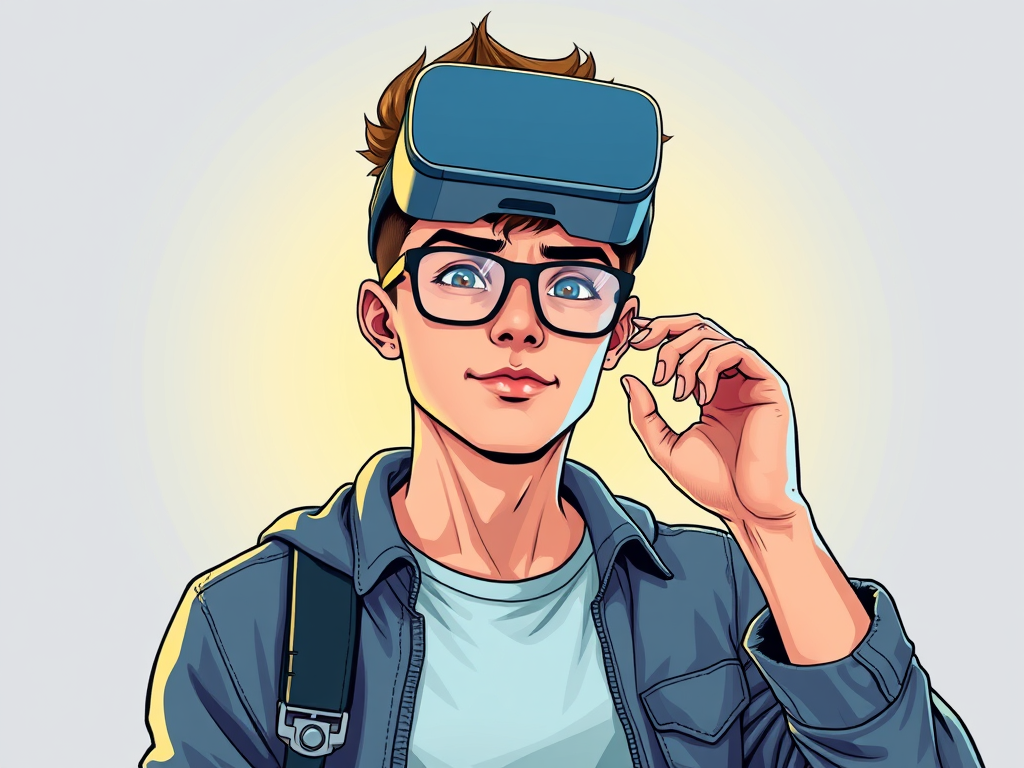
Exploring VR and AR: Redefining Reality and Connection

AI generated image. “Projects, projects, and more projects with tight deadlines! How is this my life!?”

The Thinking Minute

Imagine this: you’re sitting down, staring at the screen, and I’m about to throw you into an existential whirlpool—but stay with me. One day, hopefully far from now, you won’t be here. No more sunsets, no more memes, no more you. Now that the gravity of that thought has anchored itself, let’s ask the big question: what makes anything we do in this fleeting existence matter? We grind through our daily lives, often driven by the hamster wheel of work and bills, sacrificing self-growth on the altar of employment. Yet, life is finite—and doesn’t that truth compel us to ask, “What is this all for?”

Here’s where this gets even more fascinating. Picture this: after you’ve shuffled off this mortal coil, someone dons a VR headset. In an instant, there you are—fully rendered, fully interactive, almost as if you never left. How would it feel to live on in this digital eternity? Would the knowledge of this virtual persistence change how we live our physical lives? These questions touch the edge of both philosophy and technology, and today, we’ll dive headfirst into the deep end of this thought-provoking fusion. Buckle up; it’s going to get weird—in the best way.

Exploring the Wonders of VR/AR and AI Technology

Virtual Reality (VR) and Augmented Reality (AR) are transforming the way we interact with the digital and physical worlds. These groundbreaking innovations extend far beyond novelty—they have applications that enrich education, entertainment, healthcare, and so much more.

The Purpose of VR and AR

The primary goal of VR and AR is to reshape how we engage with both our surroundings and the digital realm. VR immerses users entirely in a computer-generated environment, enabling experiences like gaming, virtual training, therapy, or even simulated travel to far-off places. In contrast, AR overlays digital information on the real world, augmenting daily tasks such as navigation, surgical procedures, or even retail through virtual try-ons. Together, these technologies bridge the gap between the physical and digital, redefining the way we live, learn, work, and play.

The Progress of VR/AR Technology

Over the years, VR/AR has seen remarkable advancements. Early models were bulky and functionally limited, but modern devices like the Meta Quest, Microsoft HoloLens, and AR-enabled smartphones offer highly interactive and immersive experiences. These technologies have found widespread use in fields such as healthcare, education, and industrial design, enabling high-fidelity simulations and training environments. However, challenges remain, such as reducing costs, improving user comfort (e.g., mitigating motion sickness), and creating even more natural interfaces. Exciting developments like lightweight headsets, enhanced resolution, and seamless AR glasses are paving the way for even broader adoption.

AI: Can It Replicate Loved Ones?

AI holds the potential to replicate certain aspects of a loved one by using data such as photos, videos, voice recordings, and written communication. Advanced machine learning algorithms enable the creation of digital avatars or chatbots that mimic a person’s appearance, speech, and even emotional expressions. While these representations can evoke familiarity, they lack the depth of consciousness, personality, and the unique dynamism of human beings. As fascinating as this prospect is, it raises important ethical questions about consent, privacy, and the psychological impact on users.

The Cost of Digital Connections

Maintaining a digital likeness of a loved one would likely involve a subscription model for data storage, regular updates, and ongoing AI refinement. The price of such services would vary depending on the level of detail and functionality desired. For many, the decision would be highly personal, influenced by financial circumstances and emotional priorities.

Current Technologies That Simulate Reanimation

While true reanimation remains impossible, today’s technology can replicate certain facets of a loved one’s presence. For example, holographic displays can visually project lifelike representations, and AI-driven voice interfaces allow simulated conversations. Deepfake technology adds another layer of realism by animating visuals in convincing ways. However, these tools, while powerful, remain limited to imitation and lack the genuine emotional connection and consciousness of a loved one.

Ethical Considerations and the Road Ahead

As these technologies continue to evolve, they open extraordinary possibilities while raising complex ethical dilemmas. Questions around data privacy, the psychological effects of engaging with digital replications, and societal implications need careful consideration. At the same time, innovations in VR, AR, and AI offer immense potential to enrich lives, preserve memories, and transform industries.

These breakthroughs underscore humanity’s drive to push the boundaries of innovation. As we navigate their development and adoption, it’s vital to balance technological possibilities with ethical responsibilities. What does the future hold for these advancements? Only time will tell, but their impact is already reshaping our world.

Key Takeaways

  1. Purpose of VR/AR: VR creates immersive digital environments, while AR overlays digital elements onto the real world. Both aim to bridge physical and digital spaces, redefining experiences in various sectors like gaming, healthcare, and education.
  2. Advancements in VR/AR: Modern devices, such as the Meta Quest and Microsoft HoloLens, provide sophisticated and interactive experiences. Progress includes lighter headsets, enhanced resolution, and seamless AR glasses, though challenges like cost and user comfort remain.
  3. AI and Loved Ones’ Replication: AI can replicate aspects of a loved one using data inputs (e.g., photos, messages, videos). Machine learning enables simulations of speech and behaviors, but these replications lack the depth, consciousness, and dynamic essence of human beings.
  4. Costs of Digital Maintenance: Maintaining a digital likeness of a loved one may involve subscription fees for data storage, updates, and model refinement, making it a personal and emotional financial decision.
  5. Technologies for Reanimation: While true reanimation is unattainable, technologies like holographic displays, deepfake creations, and AI-driven digital avatars simulate some aspects of a loved one’s presence, albeit in an imitative way.
  6. Ethical Considerations: The use of AI for replicating loved ones raises important ethical concerns, including privacy, consent, and emotional impacts on users.
  7. Broader Impact: These advancements reflect humanity’s innovative drive, offering opportunities to enrich lives while demanding thoughtful consideration of their societal and emotional implications.

Love learning tech? Join our community of passionate minds! Share your knowledge, ask questions, and grow together. Like, comment, and subscribe to fuel the movement!

Don’t forget to share.

Every Second Counts. Help our website grow and reach more people in need. Donate today to make a difference!

One-Time
Monthly
Yearly

Make a one-time donation

Make a monthly donation

Make a yearly donation

Choose an amount

$5.00
$15.00
$100.00
$5.00
$15.00
$100.00
$5.00
$15.00
$100.00

Or enter a custom amount

$

Your contribution is appreciated.

Your contribution is appreciated.

Your contribution is appreciated.

DonateDonate monthlyDonate yearly

The Path of Transformation: From Simplicity to Complexity and Back Again

AI-generated image. Hold on; this might get hairy.

The Ascent: Ten Pillars of Progress

From the ancient forests that nurtured humanity’s early survival to the skyscrapers and silicon chips that define our modern world, technology has been both a reflection of our ingenuity and a testament to our ambition. We’ve risen with the tools we’ve created, building complex systems that sustain our societies, connect our minds, and expand our horizons.

Yet, as our dependence on technology grows, so does the risk of losing balance—forgetting the wisdom and resilience that nature imparts. Could it be that our technological ascent carries the seeds of our return to simpler beginnings, back to the trees that once sheltered us?

In this exploration, we’ll uncover how humanity’s reliance on technology might lead us to rediscover the roots from which we came.

  • Artificial Intelligence (AI): The Mind of the Machine:
    • From the nascent days of cybernetics to the sophisticated neural networks of today, AI represents a seismic shift in our relationship with machines. We’re witnessing a revolution, with its ethical and societal implications still unfolding.
  • Space Exploration: Reaching for the Stars:
    • Fuelled by the Cold War’s competitive fire, space exploration has expanded our cosmic horizons. The Apollo missions, cultural milestones, have paved the way for commercial ventures like SpaceX, heralding an era of potentially democratized space travel.
  • Medical Breakthroughs: Conquering Disease:
    • From germ theory to the genomic revolution, medical advancements have consistently extended human lifespans and enhanced quality of life. The rapid development of mRNA vaccines stands as a testament to the power of global scientific collaboration.
  • Renewable Energy: Powering a Sustainable Future:
    • Driven by the urgent need to combat climate change, renewable energy technologies are transforming our relationship with the planet. Solar, wind, and geothermal power are no longer niche alternatives but essential components of global energy strategies.
  • Smart Technology and the Internet of Things (IoT): The Interconnected World:
    • Our lives are increasingly interconnected, thanks to smart technology and the IoT. From smart homes to industrial automation, these technologies are reshaping our interactions. The rise of 5G and connectivity forms the backbone of this evolution.
  • Quantum Computing: Unlocking Unprecedented Power:
    • While still in its infancy, quantum computing holds the promise of solving problems beyond the reach of classical computers, with profound implications for cryptography, materials science, and drug discovery.
  • Augmented and Virtual Reality (AR/VR): Blurring Reality:
    • AR/VR technologies are transforming how we experience information and interact with digital environments, blurring the lines between the physical and virtual worlds.
  • Robotics and Automation: Reshaping the Workforce:
    • Robotics and automation are revolutionizing manufacturing, logistics, and even personal care, raising questions about the future of labor.
  • Biotechnology and Genetic Engineering: The Building Blocks of Life:
    • Tools like CRISPR are opening up unprecedented possibilities in medicine and agriculture, but also raise ethical considerations that demand careful deliberation.
AI-generated image. “This fall is coming in hot.”

The Descent: The Shadow Side of Progress

However, technological advancement is a double-edged sword. As historians, we must acknowledge the unintended consequences that accompany progress:

  • Digital Addiction: The Persuasive Power of Technology:
    • The addictive potential of persuasive technologies, particularly social media and video games, poses a significant threat to mental health and social development.
  • Job Displacement: The Automation Dilemma:
    • The rapid pace of AI-driven automation raises concerns about long-term employment prospects and the need for workforce retraining.
  • Cybersecurity Threats: The Digital Frontier of Crime:
    • The interconnectedness of our systems makes them vulnerable to cyberattacks, highlighting the need for constant vigilance and adaptation.
  • Privacy Concerns: The Surveillance State:
    • Mass surveillance and data collection raise ethical questions about individual rights and the balance between convenience and privacy.
  • Environmental Impact: The Cost of Progress:
    • Electronic waste and the energy demands of data centers contribute to pollution and climate change, necessitating sustainable practices.
  • Social Disconnection: The Paradox of Connectivity:
    • Despite the promise of global connectivity, technology can lead to feelings of isolation and loneliness.
  • Weaponization of Technology: The Destructive Potential:
    • The development of sophisticated weapons systems raises ethical concerns about autonomous killing machines and the potential for escalation.
  • Misinformation and Echo Chambers: The Erosion of Truth:
    • Social media algorithms can amplify misinformation and reinforce biased viewpoints, undermining democratic discourse.
  • Health Issues: The Physical Toll of Digital Immersion:
    • Prolonged screen use and sedentary lifestyles contribute to health issues like eye strain and poor posture.
  • Dependency on Technology: The Atrophy of Skills:
    • Over-reliance on technology can lead to the loss of essential skills.

As we reflect on humanity’s trajectory, from the fertile embrace of nature to the dazzling heights of technological advancement, the path ahead comes into focus. Our reliance on technology, while empowering, holds the potential for fragility. Should our systems falter, or the complexity outpace our ability to adapt, we may find ourselves seeking refuge once more among the trees—turning to nature for resilience, simplicity, and survival. Let this be a reminder that progress must always be accompanied by balance, and innovation guided by respect for the world that sustains us. From the trees to tech and back again, the cycle invites us to learn, grow, and choose wisely.

AI-generated image.”Give time, we can rebuild.”

Key Takeaways

On Technological Advancement (The “Ascent”):

  • Progress is driven by core human desires: The pursuit of knowledge, overcoming limitations, and improving the human condition are recurring themes.
  • Technology is transformative: AI, space exploration, medical breakthroughs, and other areas are fundamentally reshaping our world.
  • Ethical considerations are paramount: Many advancements, especially in AI and genetic engineering, require careful deliberation.
  • Interconnectedness is a defining feature: The IoT and 5G highlight the increasing interconnectedness of our lives.
  • Sustainability is crucial: The shift towards renewable energy underscores the need for a sustainable future.

On the Unintended Consequences (The “Descent”):

  • Progress has a shadow side: Technological advancements often come with unforeseen negative impacts.
  • Digital addiction is a growing concern: Persuasive technologies can lead to compulsive behavior.
  • Job displacement is a real threat: Automation raises concerns about the future of work.
  • Cybersecurity and privacy are critical issues: Interconnectedness creates vulnerabilities and raises ethical questions.
  • Technology can impact physical and mental health: Prolonged use can lead to health problems and social isolation.
  • Misinformation poses a threat to society: Social media can amplify false information and polarization.
  • Responsible innovation is essential: We must carefully consider the potential consequences of technological progress.
  • Balance is key: Finding a balance between technological assistance and preserving human ingenuity is crucial.

Love learning tech? Join our community of passionate minds! Share your knowledge, ask questions, and grow together. Like, comment, and subscribe to fuel the movement!

Don’t forget to share.

Every Second Counts. Help our website grow and reach more people in need. Donate today to make a difference!

One-Time
Monthly
Yearly

Make a one-time donation

Make a monthly donation

Make a yearly donation

Choose an amount

$5.00
$15.00
$100.00
$5.00
$15.00
$100.00
$5.00
$15.00
$100.00

Or enter a custom amount

$

Your contribution is appreciated.

Your contribution is appreciated.

Your contribution is appreciated.

DonateDonate monthlyDonate yearly