
Key Takeaways
- Minicomputers were mid-range computers used for various tasks, bridging the gap between personal computers and mainframes.
- Modern smartphones, in some ways, resemble minicomputers due to their processing power and capabilities.
- Building a minicomputer from scratch is a complex task requiring knowledge of computer architecture and electronics.
- Minicomputers were capable of supporting remote work through networking technologies.
- Minicomputers are no longer widely available for purchase but can be found as vintage items.
- Minicomputers and quantum computers are fundamentally different in their computing principles.

Minicomputers: A Journey Through Time and Technology
Okay, all right, we have to talk about something that isn’t on the trending market that should be. With everything that once was big, now modeling “Honey, I shrunk the kids.” What do I mean by this? Back in the day, a cell phone was massive, almost brick size. But with time, they have gotten smaller and smaller. So, today we’re going to talk about our lovely small friend whom no one is thinking about, minicomputers.
Minicomputers once stood as the bridge between personal computers and large mainframe systems. They were the go-to choice for businesses and organizations that needed more computing power than a personal computer but less than a mainframe. These versatile machines were often employed for tasks like data processing, accounting, and inventory management.
Are Cell Phones the New Minicomputers?
That’s a good question reader, I’m glad you asked it. In some respects, yes. Modern smartphones boast processing power that rivals many early minicomputers. They can handle complex tasks, run multiple applications simultaneously, and connect to vast networks. However, the term “minicomputer” traditionally refers to a standalone machine designed for specific computing tasks, while smartphones are primarily communication devices.
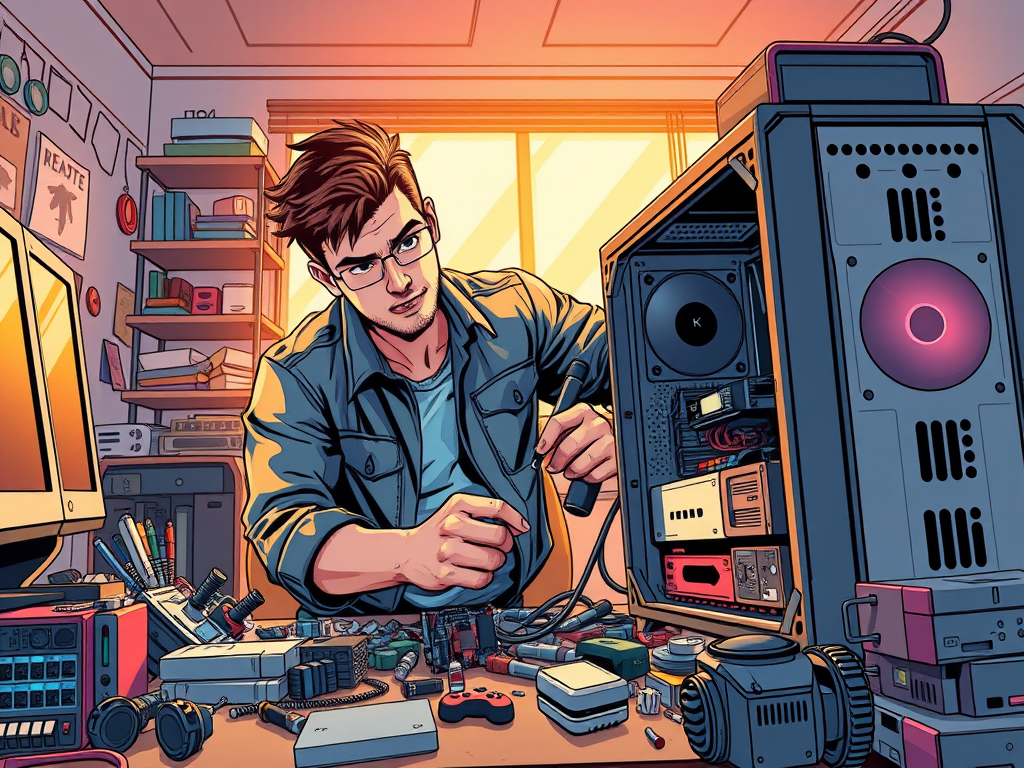
Building Your Own Minicomputer
So, can you build a minicomputer yourself? Creating a minicomputer from scratch is no small feat. It requires a deep understanding of computer architecture and electronics. In case you’re wondering, yes, you will have to take some courses before you can think to build your own. The process involves assembling components like a CPU, memory, storage, input/output devices, and a power supply. Additionally, you would need to design and write the operating system and software to run on the machine. But don’t let this discourage you, it is possible and fun. depending on what kind of learner you are.
Minicomputers and Remote Work
Minicomputers were quite capable of supporting remote work, especially with the advent of networking technologies like dial-up modems and later, the internet. Users could connect to the minicomputer remotely to access data and run applications, making them a valuable tool for remote operations.
Where to Find Minicomputers Today
Minicomputers are not widely available for purchase today, having been largely replaced by more powerful and affordable personal computers and servers. However, vintage minicomputers can sometimes be found on online marketplaces or at specialized electronics stores, offering a nostalgic glimpse into the past of computing. Keep in mind, you always want to check the specs before you purchase. These are mini devices, not portable gaming consoles.

Minicomputers vs. Quantum Computing
Minicomputers and quantum computers are fundamentally different. How? Minicomputers are traditional computers that process information in bits (0s and 1s). Quantum computers, on the other hand, leverage quantum mechanics to process information in qubits, which can exist in multiple states simultaneously. This allows for potentially much faster and more complex calculations, but quantum computing technology is still in its early stages of development.
Whether you’re a tech enthusiast or a history buff, the story of minicomputers offers a fascinating look at the evolution of computing technology. From their heyday in business applications to their modern-day counterparts in smartphones and quantum computers, minicomputers have left an indelible mark on the world of technology. Never forget, every device is a tool.
Love learning tech? Join our community of passionate minds! Share your knowledge, ask questions, and grow together. Like, comment, and subscribe to fuel the movement!
Don’t forget to share.
Every Second Counts. Help our website grow and reach more people in need. Donate today to make a difference!
Make a one-time donation
Make a monthly donation
Make a yearly donation
Choose an amount
Or enter a custom amount
Your contribution is appreciated.
Your contribution is appreciated.
Your contribution is appreciated.
DonateDonate monthlyDonate yearly