The Evolution of Privacy: From Physical Locks to Digital Encryption

Key Takeaways

The Importance of Privacy

  • Privacy is crucial in both the physical and digital worlds.
  • Protecting personal information is paramount in today’s digital age.

The Evolution of Privacy

  • Privacy has been a concern throughout history.
  • Methods of protecting privacy have advanced from physical locks to digital encryption.

Password Security

  • Strong passwords are essential for digital security.
  • Keyboard walk passwords are weak and easily guessable.
  • Using strong, complex passwords is crucial to prevent unauthorized access.

The Consequences of Weak Passwords

  • Weak passwords can lead to significant consequences, including identity theft and financial loss.
  • Cybercriminals often target weak passwords in their attacks.

Best Practices for Password Security

  • Create strong, unique passwords for each account.
  • Use a combination of uppercase and lowercase letters, numbers, and special characters.
  • Avoid common patterns and easily guessable information.
  • Utilize a password manager for secure storage.
  • Regularly update passwords.

Organizational Responsibility

  • Organizations have a role in promoting strong password practices.
  • Employee education and robust security policies are essential.
  • Continuous monitoring and threat response are crucial.

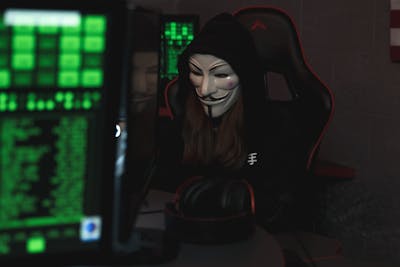
We know you’re home. We just want to talk to you about your extending your computer’s warranty.
Photo by Noelle Otto, please support by following @pexel.com

The Importance of Privacy in the Digital Age

Privacy is a critical aspect of our lives, and its importance cannot be overstated. In today’s digital age, where information is easily accessible and shared, maintaining privacy has become more challenging yet more crucial than ever. Whether it’s locking the doors of our homes, securing our cars, or protecting our online accounts, keeping our personal information safe is paramount. Although, some would argue that if hackers get into their accounts, they’re just practicing. To those people, we say, “Keep reading to find out just how wrong you are.”

The Evolution of Privacy

Historically, privacy has always been valued. From ancient times when people used physical locks and secret codes to protect their belongings, to the modern era where digital encryption and cybersecurity measures are employed, the methods of safeguarding privacy have evolved significantly. However, the fundamental principle remains the same: keeping secrets secret.

The Digital Lock and Key

In the digital world, the concept of a lock and key translates to passwords and encryption. Just as we wouldn’t use a flimsy lock for our homes, we shouldn’t use weak passwords for our online accounts. The strength of a password is akin to the strength of a lock – the stronger it is, the harder it is for intruders to break in.

Understanding Keyboard Walk Passwords

What is a Keyboard Walk Password?

A keyboard walk password is created by moving sequentially over the keyboard keys in a pattern that resembles walking. These passwords are formed by keys that are next to each other on the keyboard, such as “qwerty” or “asdfgh.” This pattern can be in a straight line across, vertically down, or in a zigzag pattern. In a sense, this is hitting the easy button for creating passwords. Never hit the easy button when it comes to your security.

Why Do People Use Keyboard Walk Passwords?

End users often create keyboard walk passwords because they are easy to remember. When given the choice of prioritizing speed and ease of memorization over security, many people opt for these simple patterns. However, this convenience comes at a cost. And the cost could run steep.

The Risks of Keyboard Walk Passwords

Keyboard walk passwords are highly predictable and easily guessable. Cybercriminals are well aware of these patterns and often use them in their brute-force attacks. A brute force attack involves trying every possible combination of characters until the correct password is found. Since keyboard walk passwords follow a predictable pattern, they are among the first combinations that attackers try. So, in the sense of the hacker, let’s try every key.

How was I to know hitting the spacebar three times was going to be a weak password!?
Photo by Andrea Piacquadio, please support by following @pexel.com

The Consequences of Weak Passwords

Loss of Privilege

One of the most significant risks of using weak passwords is the potential loss of privilege. If an attacker gains access to an account with administrative privileges, they can cause significant damage. This can include stealing sensitive information, installing malware, or even taking control of entire systems.

Real-World Examples

According to a study by Specops Software, keyboard walk patterns are widespread in compromised passwords. For example, the pattern ‘qwerty’ was found over 1 million times in an analyzed set of 800 million compromised passwords. This statistic highlights the prevalence and risk associated with using such weak passwords.

Best Practices for Creating Strong Passwords

The Importance of Strong Passwords

Creating strong, lengthy passwords is one of the most effective ways to protect your online accounts. A strong password is difficult for attackers to guess and can significantly reduce the risk of a successful brute-force attack.

How to Create Strong Passwords

  1. Use Passphrases: Instead of a single word, use a passphrase. A passphrase is a sequence of words or a sentence that is easy for you to remember but difficult for others to guess. For example, “The Sun will come out Tomorrow” is a strong passphrase.
  2. Include a Mix of Characters: Use a combination of uppercase and lowercase letters, numbers, and special characters. This increases the complexity of the password.
  3. Avoid Common Patterns: Steer clear of keyboard walk patterns, repeated characters, and easily guessable information like birthdays or names.
  4. Use a Password Manager: A password manager can generate and store complex passwords for you, so you don’t have to remember them all.

Regularly Update Your Passwords

It’s also essential to update your passwords regularly. Even the strongest passwords can become compromised over time, so changing them periodically adds an extra layer of security.

Having a strong password is like having a strongman for a bouncer. People are less likely to try.
Photo by Alexa Popovich, please support by following @pexel.com

The Role of Organizations in Promoting Strong Password Practices

Educating Employees

Organizations play a crucial role in promoting strong password practices. By educating employees about the risks of weak passwords and the importance of creating strong ones, organizations can significantly reduce the risk of cyberattacks.

Implementing Security Policies

Implementing robust security policies, such as requiring employees to use strong passwords and change them regularly, can further enhance security. Additionally, organizations can use multi-factor authentication (MFA) to add an extra layer of protection.

Monitoring and Responding to Threats

Organizations should also monitor for potential security threats and respond promptly to any incidents. This includes regularly reviewing and updating security measures to stay ahead of emerging threats.

Conclusion

In conclusion, while keyboard walk passwords may be convenient, they pose a significant security risk. By understanding the importance of strong passwords and implementing best practices, both individuals and organizations can protect their sensitive information and reduce the risk of cyberattacks. Remember, the strength of your password is the first line of defense in keeping your digital life secure. And a better line of defense is staying informed.


Love learning tech? Join our community of passionate minds! Share your knowledge, ask questions, and grow together. Like, comment, and subscribe to fuel the movement!

Don’t forget to share.

Every Second Counts. Help our website grow and reach more people in need. Donate today to make a difference!

One-Time
Monthly
Yearly

Make a one-time donation

Make a monthly donation

Make a yearly donation

Choose an amount

$5.00
$15.00
$100.00
$5.00
$15.00
$100.00
$5.00
$15.00
$100.00

Or enter a custom amount

$

Your contribution is appreciated.

Your contribution is appreciated.

Your contribution is appreciated.

DonateDonate monthlyDonate yearly


National Public Data Breach: Protecting Yourself from Identity Theft and Fraud

Key Takeaways

The National Public Data Breach:

  • A massive data breach at National Public Data, a background check company, exposed billions of SSNs.
  • This breach puts people at risk of identity theft, including financial fraud, medical identity theft, employment fraud, account takeovers, and loan fraud.
  • The emotional toll of identity theft can be significant, causing stress, anxiety, and depression.

Protecting Yourself from Identity Theft:

  • Monitor your accounts regularly for unauthorized activity.
  • Freeze or lock your credit to prevent new accounts from being opened in your name.
  • Beware of phishing scams and avoid clicking on suspicious links or attachments.
  • Use strong, unique passwords and enable multi-factor authentication.
  • Be mindful of what personal information you share online.
  • Stay informed about data breaches and cybersecurity threats.

Holding Businesses Accountable:

  • Businesses must do a better job of safeguarding our information.
  • Stronger data privacy laws are needed to hold companies accountable.
  • Companies should collect and store less data, and that data should be encrypted.
  • Businesses that experience data breaches must be transparent with victims and offer resources to help them.

Building a More Secure Digital Future:

  • We can take proactive measures to protect ourselves, such as those listed above.
  • Government and regulatory bodies play a crucial role in enforcing data privacy laws.
  • Cybersecurity education is essential for empowering individuals to protect themselves.
  • Organizations need to build a culture of security.
  • Technology can play a significant role in data protection.
  • Collaboration between stakeholders is essential for addressing data privacy challenges.

Additional Points:

  • The human element of cybersecurity is important, with everyone needing to be aware of risks and take precautions.
  • Data privacy is a global issue with varying approaches from different countries.
YOUR ACCOUNTANT MAY BE ON FIRE, RING THE ALARM!
Photo by Pixabay, please support by following @pexel.com

Alert! Massive Data Breach: National Public Data Leaks Billions of SSNs

Life throws curveballs, and the last thing we need is a digital gut punch: “Your data may have been compromised.” Buckle up, folks, because a massive data breach has potentially exposed the Social Security Numbers (SSNs) of a whopping 3 billion people! It was 2.7 billion people actually, but saying 3 billion sells.

National Public Data: Ground Zero of the Leak

National Public Data, a company that collects personal info for background checks, is at the epicenter of this data disaster. A class-action lawsuit alleges it’s the source of the leak, potentially putting billions of identities at risk. This is a big deal, folks. A thing to note is while class-action lawsuits sound great when they’re won, they don’t have a great payout. So, don’t expect much there kids.

The Fallout: Identity Theft and Beyond

Hackers with your SSN can wreak havoc on your financial life. Imagine opening your bank statement to find unauthorized charges or a hefty new loan – all thanks to a stolen SSN. But like having your heart-broken after Labor Day, the damage goes deeper:

Medical Identity Theft

Hackers could access your healthcare or sell your medical information. Medical identity theft is particularly insidious because it can lead to incorrect medical records, which can affect your treatment in emergencies. Imagine being given the wrong medication because your medical records were altered by a thief. The consequences can be life-threatening.

Employment Fraud

They might use your SSN to land jobs and commit tax fraud in your name. Employment fraud can lead to complications with the IRS, as you may be held responsible for taxes on income you never earned. This can result in lengthy investigations and legal battles to clear your name.

Account Takeovers

Say goodbye to secure online accounts if hackers reset your passwords. Account takeovers can lead to unauthorized access to your email, social media, and financial accounts. This can result in further identity theft, as hackers can use the information in your accounts to answer security questions and gain access to even more of your personal data.

Loan Fraud

New credit lines opened in your name, leaving you with a mountain of debt. Loan fraud can severely impact your credit score, making it difficult to obtain loans or credit in the future. It can take years to resolve the damage caused by fraudulent loans, and the financial burden can be overwhelming.

An empty bank account could have you feeling dead on the inside.
Photo by emre keshavarz, please support by following @pexel.com

The Emotional Toll of Identity Theft

The emotional toll of identity theft is brutal – stress, rebuilding credit, and the constant worry about someone else living your financial life. Victims often experience anxiety, depression, and a sense of violation. The process of restoring your identity can be long and arduous, requiring countless hours of phone calls, paperwork, and vigilance.

Taking Action: Fight Back and Protect Yourself

Here’s what you can do to minimize the damage:

Monitor Your Accounts

Keep a hawk eye on bank statements and credit reports. Consider credit monitoring services for an extra layer of protection. Regularly checking your accounts can help you catch unauthorized transactions early, allowing you to take swift action to mitigate the damage.

Freeze or Lock Your Credit

This makes it harder for unauthorized individuals to open new accounts in your name. Freezing your credit can prevent new credit accounts from being opened without your permission. However, it can also make it more difficult for you to open new accounts, so weigh the pros and cons.

Beware of Phishing Scams

Don’t click on suspicious links or attachments in emails or texts. Hackers love to fish for your information! Phishing scams can be sophisticated and convincing, so always verify the source before providing any personal information.

Strong Passwords & Multi-Factor Authentication

Use unique, complex passwords and enable multi-factor authentication wherever possible. It adds an extra hurdle for hackers. Multi-factor authentication requires a second form of verification, such as a code sent to your phone, making it more difficult for hackers to gain access to your accounts.

Be Mindful of What You Share Online

Limit the personal information you share online. Less data floating around means less risk of it getting stolen. Be cautious about sharing details like your birthdate, address, and phone number on social media and other online platforms.

Stay Informed

Keep yourself updated about data breaches and cybersecurity threats. Knowledge is power! Staying informed about the latest threats and best practices can help you stay one step ahead of hackers.

A Call for Accountability: Businesses Must Do Better

Companies like National Public Data have a responsibility to safeguard our information. This breach raises serious questions about their data collection practices and security measures. Shouldn’t they be held accountable for failing to protect our most sensitive data?

Stronger Data Privacy Laws: Protecting What’s Ours

Data breaches like this one highlight the urgent need for stronger data privacy laws. Companies should be held responsible for safeguarding our information, not leaving us vulnerable. Stronger regulations can ensure that companies implement robust security measures and are held accountable for breaches.

Data Minimization: Less is More

Companies shouldn’t collect more data than is absolutely necessary. The less data they have, the less can be stolen. Data minimization practices can reduce the risk of breaches and limit the impact if a breach occurs.

Data Encryption: Protecting the Crown Jewels

Sensitive information like SSNs should always be encrypted. Encryption makes stolen data useless for hackers. Implementing strong encryption protocols can protect data both in transit and at rest, ensuring that even if data is intercepted, it cannot be easily accessed.

Transparency and Communication: Helping Victims

Companies that experience data breaches must be transparent with affected individuals and offer resources to help them mitigate potential damage. Clear communication can help victims take immediate action to protect themselves and minimize the impact of the breach.

The Path Forward: Vigilance and Proactive Measures

The digital age offers amazing opportunities, but it also comes with risks. This National Public Data breach serves as a stark reminder that our personal information is constantly under threat. While we can’t undo the damage, we can take proactive measures to protect ourselves and advocate for stronger data privacy regulations.

Additional Resources

Remember, You’re Not Alone

Identity theft can be a daunting experience, but you don’t have to face it alone. There are resources and support available to help you navigate the process of restoring your identity and protecting your information. By staying vigilant, informed, and proactive, you can reduce the risk of identity theft and minimize the impact if it does occur.

The Role of Government and Regulatory Bodies

Government and regulatory bodies play a crucial role in protecting consumers from data breaches and identity theft. By enacting and enforcing strong data privacy laws, they can hold companies accountable for safeguarding personal information. Regulatory bodies can also provide guidance and resources to help individuals protect themselves and recover from identity theft.

The Importance of Cybersecurity Education

Education is a key component of cybersecurity. By raising awareness about the risks and best practices for protecting personal information, we can empower individuals to take control of their digital security. Cybersecurity education should be integrated into school curriculums, workplace training programs, and public awareness campaigns.

Building a Culture of Security

Creating a culture of security within organizations is essential for protecting personal information. This involves fostering a mindset where security is a priority at all levels of the organization. Employees should be trained on security best practices, and companies should implement policies and procedures to ensure that data is handled securely.

The Future of Data Privacy

As technology continues to evolve, so too will the challenges of data privacy. Emerging technologies such as artificial intelligence, the Internet of Things, and blockchain present new opportunities and risks for data security. It is essential that we stay ahead of these developments and continue to advocate for strong data privacy protections.

I’ve spoken with a cybersecurity professional, we’re not taking this laying down.
Photo by Andrea Piacquandio, please support by following @pexel.com

Conclusion: A Call to Action

The National Public Data breach is a wake-up call for all of us. It highlights the importance of protecting our personal information and holding companies accountable for safeguarding our data. By taking proactive measures, staying informed, and advocating for stronger data privacy laws, we can work together to create a more secure digital future.

Additional Tips for Protecting Your Personal Information

  • Use a Password Manager: A password manager can help you create and store strong, unique passwords for all your accounts.
  • Enable Account Alerts: Many financial institutions offer account alerts that notify you of suspicious activity. Enable these alerts to stay informed about any unusual transactions.
  • Review Privacy Settings: Regularly review the privacy settings on your social media and online accounts to ensure that you are only sharing information with trusted individuals.
  • Shred Sensitive Documents: Shred any documents that contain personal information before disposing of them to prevent identity theft.
  • Be Cautious with Public Wi-Fi: Avoid accessing sensitive information over public Wi-Fi networks, as they can be vulnerable to hacking.

The Role of Technology in Data Protection

Technology can play a significant role in protecting personal information. Innovations such as biometric authentication, advanced encryption techniques, and artificial intelligence can enhance security and reduce the risk of data breaches. Companies should invest in these technologies to protect their customers’ data.

The Importance of Collaboration

Collaboration between government, industry, and individuals is essential for addressing the challenges of data privacy. By working together, we can develop comprehensive strategies to protect personal information and respond effectively to data breaches.

The Human Element of Cybersecurity

While technology is crucial for data protection, the human element should not be overlooked. Employees, customers, and individuals all play a role in maintaining security. By fostering a culture of security and providing education and resources, we can empower people to take an active role in protecting their information.

The Global Perspective on Data Privacy

Data privacy is a global issue, and different countries have varying approaches to protecting personal information

Love learning tech? Join our community of passionate minds! Share your knowledge, ask questions, and grow together. Like, comment, and subscribe to fuel the movement!

Don’t forget to share.

Every Second Counts. Help our website grow and reach more people in need. Donate today to make a difference!

One-Time
Monthly
Yearly

Make a one-time donation

Make a monthly donation

Make a yearly donation

Choose an amount

$5.00
$15.00
$100.00
$5.00
$15.00
$100.00
$5.00
$15.00
$100.00

Or enter a custom amount

$

Your contribution is appreciated.

Your contribution is appreciated.

Your contribution is appreciated.

DonateDonate monthlyDonate yearly

House Squatters and Typosquatters: Unwanted Intruders and Cyber Deception Unveiled

Key Takeaways

House Squatters
  • House squatting involves the unauthorized occupation of a property.
  • Evicting squatters can be a legal challenge for homeowners.
  • Property owners must often prove ownership and the squatter’s lack of legal claim.
Typosquatting
  • Typosquatting is the creation of websites with misspelled domain names to deceive users.
  • Cybercriminals use typosquatting to steal personal information or infect devices with malware.
  • The impact of typosquatting extends beyond individual victims, affecting businesses and online communities.
Protection
  • Both physical and digital security measures are essential.
  • Homeowners should invest in strong locks and security systems.
  • Online users should be cautious of typos, verify website URLs, and use strong passwords.
  • Staying informed about squatting tactics helps individuals and communities protect themselves.
The first bed in this house was trash, but this one is just right.
Photo by Ron Lach, please support by following @pexel.com

The Unwanted Guests of Our Digital and Physical Worlds: House Squatters and Typosquatters

The term “squatter” often conjures images of unwanted individuals occupying an abandoned building. But did you know there’s a digital equivalent to this real-world nuisance? Buckle up, because we’re diving into the world of squatters, both physical and digital, and how they can disrupt our lives.

House Squatters: Uninvited Guests in the Brick-and-Mortar Realm

Let’s address the elephant in the room (or rather, the unwanted squatter in your house). House squatting, thankfully, doesn’t involve fitness fanatics breaking into your home to pump some iron. It refers to the unlawful occupation of a property by someone who has no legal right to be there. While some might picture dramatic scenes of forced entry, squatters often gain access through more subtle means, like exploiting security vulnerabilities or taking advantage of vacant properties during periods of owner absence.

Now, here’s where things get a little interesting (and frustrating for homeowners). The legal process of evicting squatters can be surprisingly complex. The burden of proof often falls on the rightful owner, who needs to demonstrate their ownership, and the squatter’s lack of legal claim. This means providing documentation and potentially navigating lengthy court proceedings. So, while you might be the rightful owner gazing upon an uninvited guest in your living room, the law demands a more structured approach to reclaiming your property.

There’s google.com already, so I’ll make gooogle.com. Clever, me thinks.
Photo by Tima Miroshnichenko, please support by following @pexel.com

The Digital Squatters: Typosquatting and the Web of Deception

The digital world isn’t immune to squatters either. Enter typosquatting, a cunning trick employed by cybercriminals. These digital squatters register domain names that are deliberate misspellings of popular websites. Imagine searching for “paypaal.com” instead of “paypal.com.” A typosquatter might own the former domain, creating a website that looks eerily similar to the real PayPal. Unsuspecting users, after a quick typo, could land on this fake website and unwittingly enter their login credentials. This is a classic phishing scam, where the goal is to steal personal information or infect your device with malware (malicious software).

Malware itself is a broad term, encompassing a variety of malicious programs. While Trojans might be one type you’ve heard of, there are many others. Viruses can replicate themselves and spread throughout your system, while spyware gathers your data without your knowledge. Keyloggers capture your keystrokes, potentially revealing passwords and other sensitive information. The type of malware a typosquatter might unleash depends on their specific aim, but the result is always disruptive and potentially damaging.

Beyond Malware: The Broader Impact of Typosquatting

The impact of typosquatting goes beyond individual victims. Imagine a company struggling to maintain its online reputation because a typosquatted website is spreading misinformation or tarnishing its brand image. This can damage customer trust and lead to financial losses. Even worse, a typosquatted website could be used for illegal activities, further harming the legitimate website and its users.

Protecting Yourself from Squatters: Real and Digital

Whether you’re a homeowner or a web user, vigilance is key. Here are some tips to safeguard yourself from both physical and digital squatters:

  • Physical Security: Invest in strong locks and security systems for your home. Keep an eye out for suspicious activity and report it to the authorities promptly.
  • Digital Security: Be mindful of typos when entering website addresses. Double-check the URL before hitting “enter.” Look for security certificates on websites when making online transactions. Utilize strong passwords and regularly update your software and antivirus programs.
You gonna learn to stay out of my house!
Photo by Ketut Subiyanto, please support by following @pexel.com

The Importance of Awareness: Fighting Back Against Squatters

By understanding the tactics of both house squatters and typosquatters, we can be better equipped to protect ourselves. Sharing this information with friends and family can create a ripple effect of digital and physical security awareness. Additionally, supporting organizations that advocate for stronger anti-squatting legislation and cybersecurity measures plays a crucial role in combating these malicious practices.

Remember: Squatters, whether physical or digital, thrive on our vulnerabilities. With a little knowledge and preventative action, we can reclaim control of our homes and online experiences, keeping these unwanted guests at bay.

Love learning tech? Join our community of passionate minds! Share your knowledge, ask questions, and grow together. Like, comment, and subscribe to fuel the movement!

Don’t forget to share.

Every Second Counts. Help our website grow and reach more people in need. Donate today to make a difference!

One-Time
Monthly
Yearly

Make a one-time donation

Make a monthly donation

Make a yearly donation

Choose an amount

$5.00
$15.00
$100.00
$5.00
$15.00
$100.00
$5.00
$15.00
$100.00

Or enter a custom amount

$

Your contribution is appreciated.

Your contribution is appreciated.

Your contribution is appreciated.

DonateDonate monthlyDonate yearly