The Future of VR: Innovations and Impacts

Key Takeaways

  • VR offers immersive experiences but current headsets are bulky and uncomfortable.
  • Social stigma and technical limitations hinder widespread adoption.
  • The future of VR looks promising with advancements in technology.
  • Excessive VR use can be addictive and isolating.
  • It’s important to find a balance between virtual and real-world experiences.
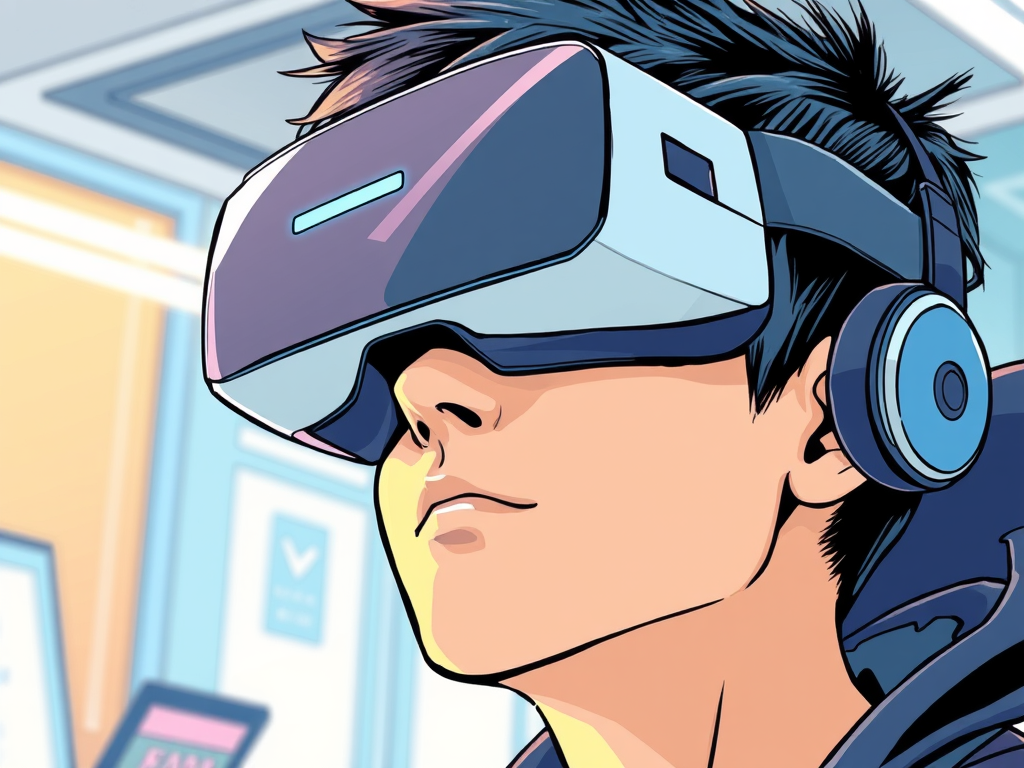
AI-generated image. I think Daft Punk was on to something here. VR is pretty cool.

Exploring the World of Virtual Reality: A Tech Enthusiast’s Perspective

Hey there, fellow tech enthusiasts! It sounds like cringe when you read this, I’m sure. Lately, I’ve been hearing a lot about Virtual Reality (VR) and its growing popularity. It seems like VR is really taking off, and I wanted to share some thoughts and experiences with you. And before you ask in the comments, no, I didn’t not get the Apple Vision Pro. I have bills to pay.

My VR Journey

While my personal experience with VR is somewhat limited, I’ve had the chance to try out a couple of devices: the Oculus and the Meta Quest. Let me tell you, VR isn’t just about slipping on some goggles and being transported to a faraway land—though that might not be too far off in the future! We are still looking forward to the future, right? Or did we mess up too bad?

The Good and the Bad

Immersive Experiences: VR can truly transport you to fantastical worlds and provide immersive experiences that are hard to match. Depending on the device being used. The early version of the oculus, which came with the purchase of my phone at the time wasn’t as powerful as the devices we have now. Picture, putting on goggles and seeing N64 graphics. Yeah, it was like that.

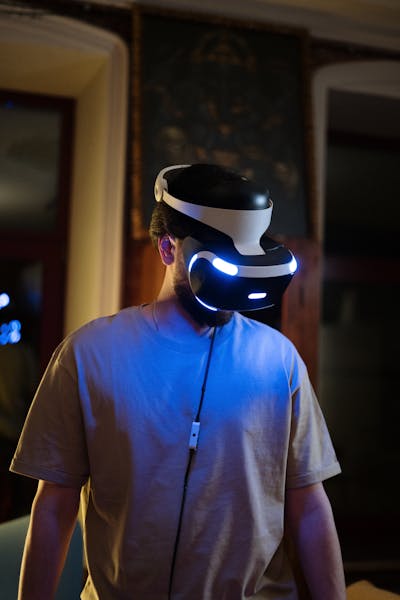
Physical Limitations: However, current VR headsets are still quite bulky and can be uncomfortable for extended periods. For instance, some people tried spending 24 hours with Apple’s Vision Pro, and it didn’t turn out well due to its bulkiness and battery life. If you’re someone who sweats for no real reason, the device will tend to slide down which is another drawback.

AI-generated image. If life doesn’t try to get you, a manhole will.

Social Stigma: So, you dropped some money, now wish to make like Tony Stark off of Iron Man 2, and pop-up screens everywhere, at any point in time. I’ve got news for ya. Wearing a VR headset in public can make you look a bit… eccentric. Imagine walking around and making gestures while others watch—it can be quite the spectacle! That is, until you make like a cartoon character, and fall down a manhole.

Technical Limitations: Battery life and processing power are still significant constraints that need to be addressed. However, there’s always going to be a problem with battery life. That’s just life.

AI-generated image. Talking to real-life people is still important…sometimes.

The Future of VR

Despite these limitations, the future of VR looks promising. As technology advances, we can expect more lightweight and comfortable headsets, longer battery life, and more realistic graphics. However, it’s important to consider the potential downsides of excessive VR use. Just like any technology, VR can be addictive and isolating if not used in moderation.

Striking a Balance

Now, we have to have the “talk”. And yes, I know this is going to be challenge for the masses. Heck, sometimes it’s a challenge for myself. While VR offers exciting possibilities, it’s crucial to maintain a healthy balance between virtual and real-world experiences. This means, going out and touching some grass, getting to know people. Working your network. You don’t have one? Guess you have to go make one. Although, gamers may be ahead of the curve on this one. Technology can connect us with people all over the world, but it can also isolate us from those closest to us. It’s important to find a balance between our digital and real-world relationships. You never know, the friend you made in the real world could be a millionaire in the virtual one.

Your Thoughts?

What are your thoughts on VR? Have you tried any VR devices? Share your experiences and predictions for the future of VR in the comments below!

Love learning tech? Join our community of passionate minds! Share your knowledge, ask questions, and grow together. Like, comment, and subscribe to fuel the movement!

Don’t forget to share.

Every Second Counts. Help our website grow and reach more people in need. Donate today to make a difference!

One-Time
Monthly
Yearly

Make a one-time donation

Make a monthly donation

Make a yearly donation

Choose an amount

$5.00
$15.00
$100.00
$5.00
$15.00
$100.00
$5.00
$15.00
$100.00

Or enter a custom amount

$

Your contribution is appreciated.

Your contribution is appreciated.

Your contribution is appreciated.

DonateDonate monthlyDonate yearly

The Future of Gaming: AR, VR, and Beyond | Gaming Industry Evolution

Daily writing prompt
What are you most excited about for the future?

Level Up! A Deep Dive into the Exhilarating Future of Gaming

The world of gaming has undergone a metamorphosis that would make even the most fantastical RPG character envious. From the humble beginnings of blocky sprites traversing pixelated landscapes, gaming has morphed into a vibrant, multifaceted industry that pushes the boundaries of technology and storytelling. Today, we’re not just passive observers in a digital world; we’re active participants, shaping narratives, conquering challenges, and forging meaningful connections with fellow players across the globe.

But the journey is far from over. As we stand at the precipice of a new era fueled by groundbreaking advancements like Augmented Reality (AR) and Virtual Reality (VR), the future of gaming promises experiences so immersive, and so interactive, that it feels like we’re stepping straight into the pages of a sci-fi novel. It’s a future that ignites the imagination, one where the lines between the digital and physical realms blur, and the potential for innovation seems limitless.

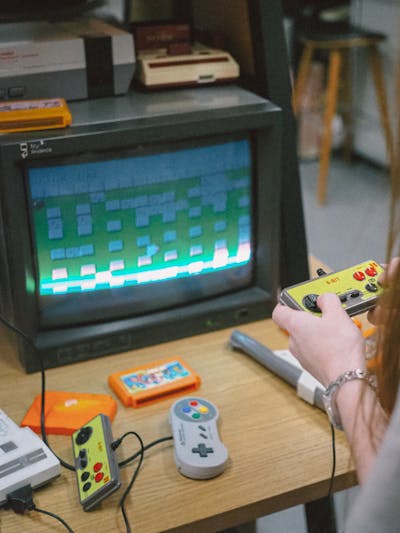
Back in the days when controllers could fit in everyone’s hand.
Photo by Viktorya Sergeeva, please support by following @pexel.com

A Retrospective: From Pixels to Playgrounds

For those of us who grew up with the bleeps and bloops of 8-bit consoles, the evolution of gaming has been nothing short of astounding. We fondly remember the days of mastering classic titles like Pac-Man and Super Mario Bros., where simple mechanics and catchy tunes kept us glued to the screen for hours on end. These early games laid the foundation for the narrative-driven, visually stunning experiences we enjoy today.

The transition from arcade cabinets to home consoles marked a pivotal shift. Gaming became more accessible, fostering a sense of community as friends gathered around the living room TV to battle it out in head-to-head competition. Titles like Street Fighter II and GoldenEye 007 pushed the boundaries of what was possible with home consoles, introducing complex fighting mechanics and immersive storylines that captivated players.

With the advent of online gaming, the world truly became our playground. We connected with players from across the globe, forging bonds through shared experiences in sprawling online worlds like World of Warcraft and EverQuest. Genres like first-person shooters (FPS) and Massively Multiplayer Online Role-Playing Games (MMORPGs) thrived, offering unparalleled levels of collaboration and competition.

Let me win this match or I’m going through your cell phone.
Photo by cottonbro studio, please support by following @pexel.com

The Rise of Motion: Gaming Beyond the Couch

Gaming has transcended the limitations of the traditional living room setup. Motion-controlled consoles like the Nintendo Wii ushered in a new era of active gaming, encouraging players to get up and move. Titles like Wii Sports and Dance Dance Revolution demonstrated the potential for games to be a fun and engaging form of exercise, attracting a new demographic of casual gamers who may not have previously considered themselves “gamers.”

This trend has continued to blossom with the rise of fitness-focused games like Ring Fit Adventure and VR experiences that incorporate physical movement into the gameplay. The lines between gaming and exercise are blurring, offering exciting possibilities for a future where staying active becomes an even more enjoyable and interactive experience.

The Dawn of a New Era: AR and VR Blur the Lines

Perhaps the most transformative development in the gaming landscape is the emergence of Augmented Reality (AR) and Virtual Reality (VR). These technologies promise to completely redefine the way we interact with virtual worlds.

AR overlays digital elements onto the real world, creating a seamless blend of the two. Imagine exploring your city streets while battling virtual creatures, or decorating your home with holographic furniture. AR has the potential to revolutionize mobile gaming, offering innovative experiences that seamlessly integrate with our everyday lives.

VR, on the other hand, immerses us completely in a simulated environment. Don a VR headset, pick up your controllers, and you’re transported to a fantastical world, an alien landscape, or even the heart of a historical event. VR offers unparalleled levels of immersion, allowing us to truly inhabit a digital world and interact with it in ways never before possible.

Why is this Real Life Simulator better than real-life? I don’t have to pay taxes.
Photo by cottonbro studio, please support by following @pexel.com

A World of Possibilities: What Does the Future Hold?

The convergence of these technologies promises an exciting future for gaming. Here are just a few possibilities that have us eagerly anticipating the next generation of gaming experiences:

  • Hyper-realistic storytelling: Imagine exploring the ruins of ancient civilizations or walking alongside historical figures, all rendered in breathtaking detail thanks to advancements in graphics and AI. VR could revolutionize educational experiences, allowing us to learn about history and science in a completely immersive way.
  • Enhanced social interaction: VR and AR have the potential to foster even deeper connections between players. Imagine attending virtual concerts with friends from across the globe, or collaborating on creative projects in shared virtual spaces. These technologies could break down geographical barriers and foster a more connected gaming community.
  • Evolving mechanics: We can expect to see game developers leverage AR and VR functionalities to create innovative mechanics that push the boundaries of gameplay. Imagine solving puzzles by manipulating real-world objects in an AR environment, or using your body movements to control your character’s actions in VR.
  • Accessibility for all: AR and VR could make gaming more accessible for