Key Takeaways
- AI is a tool, not a threat: It’s a technology that can be used to augment human capabilities, not replace them.
- Automation creates new opportunities: While AI may automate some tasks, it also creates new jobs and industries.
- Human skills remain essential: Skills like creativity, critical thinking, and emotional intelligence are still highly valued in the age of AI.
- AI needs human guidance: AI systems require human input to function effectively and ethically.
- Embrace the future: By adapting to technological advancements and acquiring new skills, we can thrive in the AI era.

AI: The Not-So-Scary Job Stealer
So, you’ve heard the rumors, right? I feel like this has been mentioned many of time before, but hey, we’ll mention it again. AI is coming to steal your job, your lunch, and maybe even your favorite pair of socks. Fear not, dear reader, for I am here to dispel these myths and shed some light on this not-so-menacing technology. Or I’m going to at least try to. AI is still evolving after all, and some of us are not. Sad face.
The Panic Button
Let’s talk about the panic. When generative AI burst onto the scene, it was like a kid in a candy store, spitting out text and images faster than you can say “robot uprising.” Well, you had enough time to say that depending on how good your internet connection was, but you get the point. People freaked out, thinking their jobs were doomed. To anyone who has watched South Park, you could hear echo that famous line. “THEY TOOK OUR JOBS!” But let’s be for real here, folks. AI is more like a helpful coworker than a job-stealing nemesis. And for most people in America, a helpful co-worker is a tall order.
AI: The Ultimate Tool
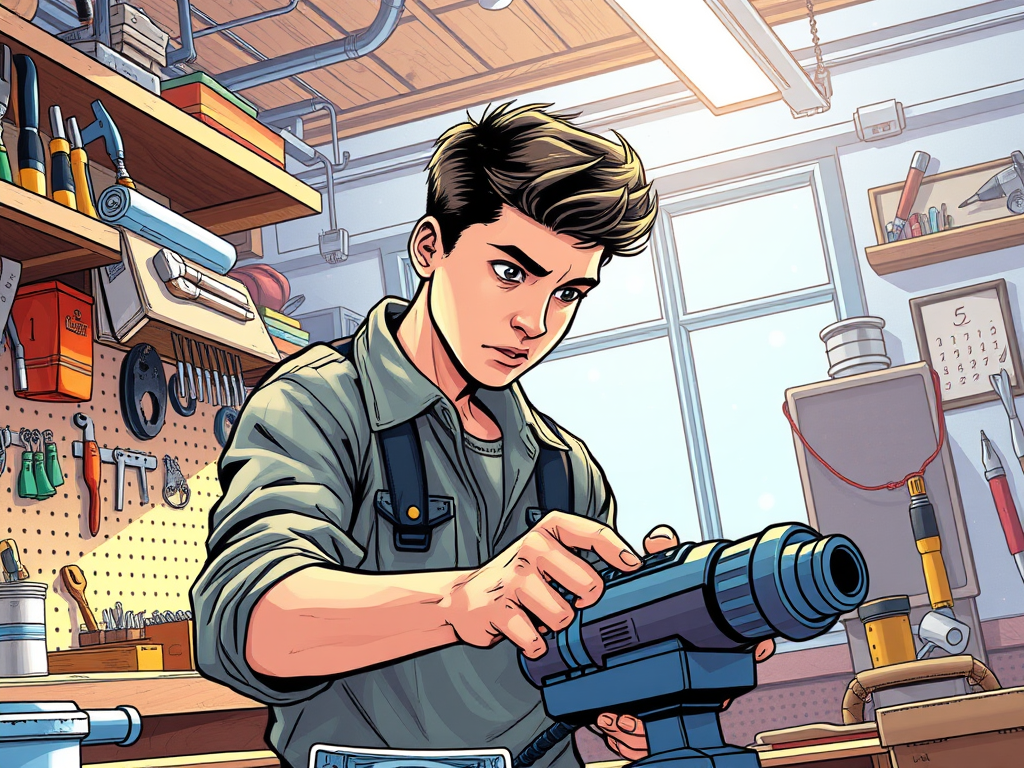
Think of it this way: AI is a tool, like a hammer or a screwdriver. A hammer doesn’t build a house on its own; it needs a skilled carpenter to wield it. Similarly, AI needs a human touch to guide it and make it truly useful. This is what you would call a “human-in-the-loop”. Yeah, AI can do the heavy lifting for you, but like the promising new guy, keep an eye on him. He can still get a few things wrong.
Automation: Friend or Foe?
Sure, there are instances where AI can automate tasks and streamline processes. But this isn’t necessarily a bad thing. It frees up our time to focus on more creative and strategic work. Instead of getting bogged down in mundane tasks, we can spend our time innovating, problem-solving, and coming up with brilliant ideas. However, this is a dual edge sword. Why? There are some places, i.e work, that require you to “work” aka “look busy”, if AI cuts down the work, you’re likely to be rewarded with more work.
The Human Touch
As mentioned earlier, the same way you need to keep an eye on the new guy, the same goes for AI. AI is not here to replace us but to augment our abilities. It can handle repetitive tasks, analyze vast amounts of data, and even generate creative content. But it still needs human oversight to ensure accuracy, relevance, and ethical considerations. And trust me, there are going to be times where you tell AI, “You’re fired”.

Real-World Applications
So, what are some places AI is running its ones and zeros at? Let’s dive into some real-world applications of AI that showcase its potential to enhance, rather than replace, human jobs:
- Healthcare: AI can analyze medical images, predict patient outcomes, and even assist in surgeries. However, it still requires the expertise of doctors and nurses to interpret results and make critical decisions.
- Education: AI can personalize learning experiences, grade assignments, and provide feedback. Yet, teachers are essential for fostering critical thinking, creativity, and emotional intelligence in students.
- Customer Service: AI-powered chatbots can handle routine inquiries, freeing up human agents to tackle more complex issues and provide personalized support.
- Finance: AI can detect fraudulent transactions, analyze market trends, and manage portfolios. Financial advisors, however, are crucial for offering personalized advice and building client relationships.
Embracing the Future
So, the next time you hear someone panicking about AI taking over the world, remind them to take a deep breath and embrace the future. AI is here to help us, not hurt us. Although the boomer generation who saw Judgment Day may still rush to the underground bunkers. It was just a movie, Skynet isn’t real. Wait, Google bought Skynet, right?
The Importance of Adaptation
As with any technological advancement, adaptation is key. By learning how to work alongside AI, we can harness its potential to improve our lives and careers. This means developing new skills, staying curious, and being open to change.
The Role of Education
Education plays a crucial role in preparing us for an AI-driven future. By incorporating AI literacy into our curricula, we can equip the next generation with the knowledge and skills needed to thrive in a world where AI is ubiquitous.
Ethical Considerations
While AI offers numerous benefits, it’s essential to address ethical considerations. This includes ensuring transparency, fairness, and accountability in AI systems. By doing so, we can build trust and ensure that AI serves the greater good.
Conclusion
In conclusion, AI is not the job-stealing monster it’s often made out to be. Instead, it’s a powerful tool that, when used responsibly, can enhance our lives and careers. By embracing AI and adapting to the changes it brings, we can unlock new opportunities and create a brighter future for all.
So, let’s put those fears to rest and welcome our new AI coworkers with open arms. Boomers, everything is fine. You can emerge from your bunkers, a new emergency day is on the rise.
Love learning tech? Join our community of passionate minds! Share your knowledge, ask questions, and grow together. Like, comment, and subscribe to fuel the movement!
Don’t forget to share.
Every Second Counts. Help our website grow and reach more people in need. Donate today to make a difference!
Make a one-time donation
Make a monthly donation
Make a yearly donation
Choose an amount
Or enter a custom amount
Your contribution is appreciated.
Your contribution is appreciated.
Your contribution is appreciated.
DonateDonate monthlyDonate yearly