A Virus Built with Love

Consider following on social media!

Quick note: if you’re viewing this via email, come to the site for better viewing. Enjoy!

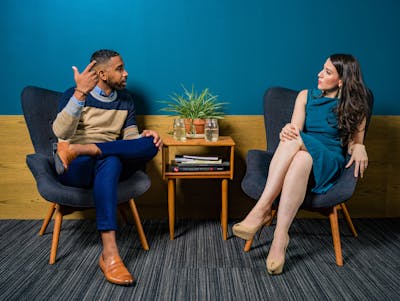
Sean: I’m always here for you.
Samantha: That’s great but you only have $30 in your pocket, and I only have three more minutes left.
Photo by Ana Maria Moroz, please support by following @pexel.com

Here’s a strange question for you. Have you ever loved someone so much that you create something in their name? Not like a creepy shrine or anything like that, I mean create something and let it loose on the internet for it to wreak havoc on the world.

If you haven’t, then you’re a part of the unlucky club as most people haven’t experienced that kind of love. Well… I say love but it very well could be just wanting a good “fun hugging” time and things just didn’t work out because well, money.

It kind of makes the world go round. However, let me script to you someone who has and how the internet went ablaze with the “You got mail” era.

You pay, I slay.
Photo by Efigie lima Marcos, please support by following @pexel.com

50 Networks of Melissa

Back in the heyday of AOL (America Online), there once was a virus called “Melissa”. I know someone is probably offended and wondering why their name is a computer virus that may be oddly categorized wrong since worms replicate themselves throughout a network, which is what this “virus” did.

I’m not going to get into the politics of it. Just know this virus was created and released, and many people were upset. Melissa (sorry for anyone known by this name and reading this), is what is called a “macro virus” – meaning this virus was written in the same language Microsoft Word and Excel were developed in.

Melissa (again, sorry, I didn’t choose the name) would hide in spreadsheets and activate as soon as you open the file, once opened triggers malware made to wreak havoc on your machine and further spread the virus to the edges of your contacts list and theirs and so on and so on. Melissa was the kind of gal that kept on giving.
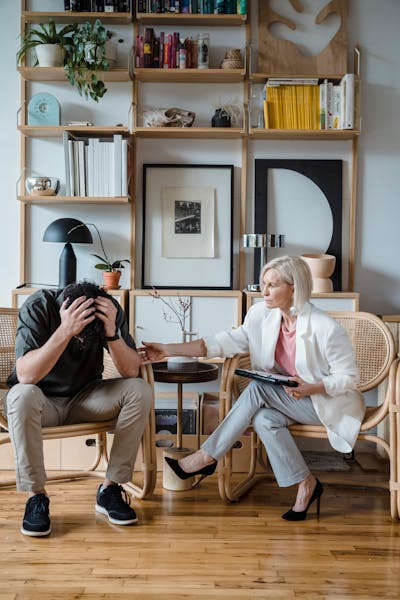
David: I told you already, her name is Melissa, and she loves me.
Dr. Paterson: David, we’ve been over this. A computer virus that you created can’t love you.
Photo by Timur Weber, please support by following @pexel.com

Breaking AOL and Beyond

You may be wondering, who was this madman or madwoman, it’s wrong to assume the gender nowadays, that created this virus in the name of love. Look at no other person than David Lee Smith.

David chose to make use of the confusion surrounding the internet and email at the time since the internet or web1 was in its early stages. I don’t see how there was that much confusion, it was either you have mail or you don’t have mail. It seems pretty straightforward if you ask me, but you didn’t so whatever. Rambling aside, David, in late March of 1999, hijacked an AOL account and used it to post a file on an Internet newsgroup name “alt. sex”.

The post was promising a really good time because it offered over a dozen free passwords to websites where you had to pay for adult content. Posting like that nowadays wouldn’t have much of an effect since most of what you want to watch is free however, I am aware there are a number of you out there who are broken and may need to find some “harder material”. Like cats being shuffled around in duffle bags, Z-Daddy isn’t judging.

Oh, and he chose to name this virus Melissa after a stripper that he was into. I’m guessing the story is, he fell in love, and she said you don’t have any more money, he got depressed and created a virus, giving it her name to make her famous.

Enjoy the read so far? Why don’t you consider subscribing so you can keep up to date?

Hello from the other side, I’ve must’ve called a thousand times.
Photo by Hebert Santos, please support by following @pexel.com

Setting Fire to the Network

So, what were the effects of Melissa’s presence? Well aside from overloading email servers at more than 300 corporations, government agencies included, no the government is not happy when you mess with them however they are giddy when they get to mess with you, it ended up shutting them down entirely along with costing $80 million in damages.

The virus functionality worked in the form of phishing, where you would open an email and click on an attachment, the infected file would then activate and read to the computer’s storage where it would create an Outlook Global Address. After this, the virus would then send copies of itself to the addresses read.

So in a nutshell, this would get into your machine, find your list of contacts, and begin its great journey spreading itself down everyone’s cornhole. Psychotic ex strippers…am I right?

I will siren your bank account and beyond.
Photo by Somewherewith Tom, please support by following @pexel.com

Protection Against Sirens

You don’t need to worry about this Melissa getting into your life and mucking it up anymore, well for the most part. The news spread fast enough to slow the spread allowing cybersecurity professionals to contain and restore their networks. However, this doesn’t mean that you’re free to run around clicking on links promising you a good time.

There is a wide array of viruses out on the internet that have the same attributes as Melissa. But ways you could prevent her from ever knocking on your door…well, one way is not forgetting to tip your bartender and close your tab.

Always follow good bar patron best practices. When checking your email, if you find you have to take a double look because something seems grammatical or misspelled, for example, “h0w ar e    you” versus “how are you”. If the email you received came from someone you know, it’s always a good thing to double-check with them to confirm that they sent it.

Always use an antivirus/antimalware/antispyware and make sure your operating system is up to date as patches for any vulnerabilities would include improving the safety of not only your computer but your wallet as well.

But to protect yourself entirely is just to use common sense and if it looks phishy, then don’t engage, and delete it immediately. On the internet Melissa has friends and they can do the same thing as her, if not better, just when you thought she was one of a kind.

Seth: The latest script was like OMG, and it made me ten times happier to be with you.
Tina: I know, Z-Daddy made me feel the same way.
Photo by cottonbro studio, please support by following @pexel.com

Made it this far and found this to be entertaining? Then a big thanks to you and please show your support by cracking a like, sharing this with whomever, scripting a comment, or plug-in to follow.

Would like to give sincere thanks to current followers and subscribers, your support and actions mean a lot and has a play in the creation of each script.

Think there was something I missed or may have gotten wrong about Melissa? Script a comment about it down below.
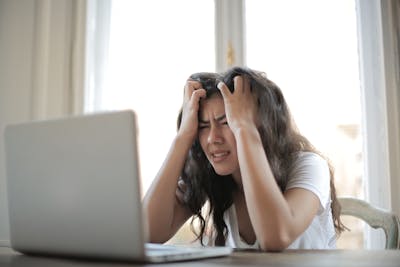
The Evolution of Privacy: From Physical Locks to Digital Encryption

Key Takeaways

The Importance of Privacy

  • Privacy is crucial in both the physical and digital worlds.
  • Protecting personal information is paramount in today’s digital age.

The Evolution of Privacy

  • Privacy has been a concern throughout history.
  • Methods of protecting privacy have advanced from physical locks to digital encryption.

Password Security

  • Strong passwords are essential for digital security.
  • Keyboard walk passwords are weak and easily guessable.
  • Using strong, complex passwords is crucial to prevent unauthorized access.

The Consequences of Weak Passwords

  • Weak passwords can lead to significant consequences, including identity theft and financial loss.
  • Cybercriminals often target weak passwords in their attacks.

Best Practices for Password Security

  • Create strong, unique passwords for each account.
  • Use a combination of uppercase and lowercase letters, numbers, and special characters.
  • Avoid common patterns and easily guessable information.
  • Utilize a password manager for secure storage.
  • Regularly update passwords.

Organizational Responsibility

  • Organizations have a role in promoting strong password practices.
  • Employee education and robust security policies are essential.
  • Continuous monitoring and threat response are crucial.
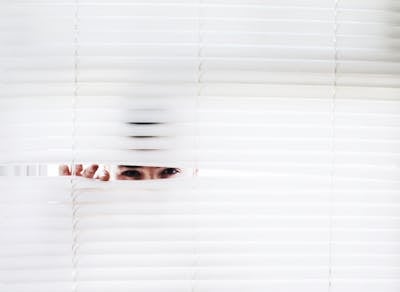
We know you’re home. We just want to talk to you about your extending your computer’s warranty.
Photo by Noelle Otto, please support by following @pexel.com

The Importance of Privacy in the Digital Age

Privacy is a critical aspect of our lives, and its importance cannot be overstated. In today’s digital age, where information is easily accessible and shared, maintaining privacy has become more challenging yet more crucial than ever. Whether it’s locking the doors of our homes, securing our cars, or protecting our online accounts, keeping our personal information safe is paramount. Although, some would argue that if hackers get into their accounts, they’re just practicing. To those people, we say, “Keep reading to find out just how wrong you are.”

The Evolution of Privacy

Historically, privacy has always been valued. From ancient times when people used physical locks and secret codes to protect their belongings, to the modern era where digital encryption and cybersecurity measures are employed, the methods of safeguarding privacy have evolved significantly. However, the fundamental principle remains the same: keeping secrets secret.

The Digital Lock and Key

In the digital world, the concept of a lock and key translates to passwords and encryption. Just as we wouldn’t use a flimsy lock for our homes, we shouldn’t use weak passwords for our online accounts. The strength of a password is akin to the strength of a lock – the stronger it is, the harder it is for intruders to break in.

Understanding Keyboard Walk Passwords

What is a Keyboard Walk Password?

A keyboard walk password is created by moving sequentially over the keyboard keys in a pattern that resembles walking. These passwords are formed by keys that are next to each other on the keyboard, such as “qwerty” or “asdfgh.” This pattern can be in a straight line across, vertically down, or in a zigzag pattern. In a sense, this is hitting the easy button for creating passwords. Never hit the easy button when it comes to your security.

Why Do People Use Keyboard Walk Passwords?

End users often create keyboard walk passwords because they are easy to remember. When given the choice of prioritizing speed and ease of memorization over security, many people opt for these simple patterns. However, this convenience comes at a cost. And the cost could run steep.

The Risks of Keyboard Walk Passwords

Keyboard walk passwords are highly predictable and easily guessable. Cybercriminals are well aware of these patterns and often use them in their brute-force attacks. A brute force attack involves trying every possible combination of characters until the correct password is found. Since keyboard walk passwords follow a predictable pattern, they are among the first combinations that attackers try. So, in the sense of the hacker, let’s try every key.

How was I to know hitting the spacebar three times was going to be a weak password!?
Photo by Andrea Piacquadio, please support by following @pexel.com

The Consequences of Weak Passwords

Loss of Privilege

One of the most significant risks of using weak passwords is the potential loss of privilege. If an attacker gains access to an account with administrative privileges, they can cause significant damage. This can include stealing sensitive information, installing malware, or even taking control of entire systems.

Real-World Examples

According to a study by Specops Software, keyboard walk patterns are widespread in compromised passwords. For example, the pattern ‘qwerty’ was found over 1 million times in an analyzed set of 800 million compromised passwords. This statistic highlights the prevalence and risk associated with using such weak passwords.

Best Practices for Creating Strong Passwords

The Importance of Strong Passwords

Creating strong, lengthy passwords is one of the most effective ways to protect your online accounts. A strong password is difficult for attackers to guess and can significantly reduce the risk of a successful brute-force attack.

How to Create Strong Passwords

  1. Use Passphrases: Instead of a single word, use a passphrase. A passphrase is a sequence of words or a sentence that is easy for you to remember but difficult for others to guess. For example, “The Sun will come out Tomorrow” is a strong passphrase.
  2. Include a Mix of Characters: Use a combination of uppercase and lowercase letters, numbers, and special characters. This increases the complexity of the password.
  3. Avoid Common Patterns: Steer clear of keyboard walk patterns, repeated characters, and easily guessable information like birthdays or names.
  4. Use a Password Manager: A password manager can generate and store complex passwords for you, so you don’t have to remember them all.

Regularly Update Your Passwords

It’s also essential to update your passwords regularly. Even the strongest passwords can become compromised over time, so changing them periodically adds an extra layer of security.

Having a strong password is like having a strongman for a bouncer. People are less likely to try.
Photo by Alexa Popovich, please support by following @pexel.com

The Role of Organizations in Promoting Strong Password Practices

Educating Employees

Organizations play a crucial role in promoting strong password practices. By educating employees about the risks of weak passwords and the importance of creating strong ones, organizations can significantly reduce the risk of cyberattacks.

Implementing Security Policies

Implementing robust security policies, such as requiring employees to use strong passwords and change them regularly, can further enhance security. Additionally, organizations can use multi-factor authentication (MFA) to add an extra layer of protection.

Monitoring and Responding to Threats

Organizations should also monitor for potential security threats and respond promptly to any incidents. This includes regularly reviewing and updating security measures to stay ahead of emerging threats.

Conclusion

In conclusion, while keyboard walk passwords may be convenient, they pose a significant security risk. By understanding the importance of strong passwords and implementing best practices, both individuals and organizations can protect their sensitive information and reduce the risk of cyberattacks. Remember, the strength of your password is the first line of defense in keeping your digital life secure. And a better line of defense is staying informed.


Love learning tech? Join our community of passionate minds! Share your knowledge, ask questions, and grow together. Like, comment, and subscribe to fuel the movement!

Don’t forget to share.

Every Second Counts. Help our website grow and reach more people in need. Donate today to make a difference!

One-Time
Monthly
Yearly

Make a one-time donation

Make a monthly donation

Make a yearly donation

Choose an amount

$5.00
$15.00
$100.00
$5.00
$15.00
$100.00
$5.00
$15.00
$100.00

Or enter a custom amount

$

Your contribution is appreciated.

Your contribution is appreciated.

Your contribution is appreciated.

DonateDonate monthlyDonate yearly

The Importance of Firewalls in Digital Security: Protecting Your Castle

Mark: We have iOS, we don’t need a firewall.
Tanya: You’re wrong, I say we do, and here’s why.
Photo by Jopwell, please support by following @pexel.com

Expanding Your Digital Castle: A Deeper Dive into Firewalls

Understanding the Digital Frontier: A Wilder and More Perilous Place

Let’s be real, the internet is a wild west of ones and zeros. It’s like a sprawling, neon-lit jungle filled with exotic creatures (read: weird websites) and hidden traps (read: malware). Your computer? That’s your castle, a digital fortress where you hoard your precious memes and cat videos. But let’s face it, even the best castles need a moat or two. Enter the firewall: your knight in shining armor, or more accurately, your digital bouncer.

The Firewall: A Closer Inspection

Imagine your firewall as a highly caffeinated, robot bouncer with a serious grudge against intruders. This digital doorman isn’t just checking IDs; it’s scanning for suspicious characters, decoding secret languages (code), and generally being a badass. It’s like having a tiny, tireless bodyguard living inside your computer, ready to pounce on any digital troublemakers.

The Need for a Firewall: A Matter of Digital Survival

The online world is a cutthroat place. Hackers are the digital equivalent of pickpockets with tech degrees, always on the lookout for easy targets. Malware is like a digital flu, spreading faster than you can say “delete, delete, delete!” And let’s not forget the identity thieves, those sneaky cybercriminals who want to steal your life (or at least your bank account). A firewall is your insurance policy, your bodyguard, and your emergency contact all rolled into one.

Correction, firewalls only slow me down. They don’t stop me entirely.
Photo by Ashutosh Sonwani, please support by following @pexel.com

Protection from Hackers: Hackers are the villains of our digital story. They’re like those pesky raccoons that keep raiding your trash. A firewall is your bear trap, electric fence, and motion-activated sprinklers combined. It’s there to scare off those digital critters and keep your precious data safe.

Data Privacy: Your personal information is like your most prized possession. It’s the digital equivalent of your underwear. You wouldn’t want just anyone seeing it, right? A firewall is your digital chastity belt, protecting your sensitive data from prying eyes.

Malware Prevention: Malware is the digital equivalent of a really bad roommate. It crashes your system, steals your stuff, and generally makes your life miserable. A firewall is like a bouncer at a trendy nightclub, keeping those digital party crashers out.

Network Resource Protection: Your network is like your living room. You want to share it with friends and family, but you don’t want strangers coming in and making a mess. A firewall is the digital velvet rope, keeping unwanted guests out and ensuring your network runs smoothly.

How Firewalls Work: The Magic Unveiled

Let’s break down the firewall’s magic tricks.

  • Packet Filtering Firewalls: Think of these as the TSA agents of the digital world. They examine every piece of digital luggage (data packets) and decide if it’s allowed in. Simple but effective, unless you’re dealing with a really good hacker.
  • Stateful Inspection Firewalls: These firewalls are like the bouncers who remember your face. They keep track of who’s coming and going, making it harder for unwanted guests to sneak in.
  • Proxy Firewalls: Picture a super-protective parent who screens all your calls. Proxy firewalls act as intermediaries, shielding your computer from the outside world. But like a helicopter parent, they can be a bit overprotective.
  • Next-Generation Firewalls (NGFWs): These are the James Bonds of the firewall world, equipped with gadgets and gizmos galore. They can do everything from blocking attacks to identifying suspicious behavior. But they also come with a higher price tag, so you might need a license to operate one.

Building a Fort Knox: Fortifying Your Digital Castle

A firewall is a great start, but it’s not a magic bullet. You need to create a layered defense strategy. Think of it like building a castle with multiple walls, a moat, and a dragon.

  • Keep Your Software Updated: This is like replacing the old, creaky drawbridge with a shiny new one.
  • Create Strong, Unique Passwords: Your passwords are the keys to your castle. Don’t use “password123.” It’s like leaving the front door unlocked.
  • Beware of Phishing Attacks: Phishing is like a digital wolf in sheep’s clothing. Don’t click on suspicious links or open attachments from unknown senders.
  • Enable Two-Factor Authentication: This is like adding a second door to your castle. It makes it much harder for intruders to get in.
  • Back-Up Your Data: This is like storing your valuables in a safe deposit box. It’s always a good idea to have a backup plan.
  • Educate Yourself: Knowledge is power. Stay informed about the latest cyber threats and best practices.

Debunking Firewall Myths: Let’s clear up some misconceptions.

  • Myth 1: A firewall is enough to protect me. Think of a firewall as a helmet. It protects your head, but you still need to wear a seatbelt.
  • Myth 2: All firewalls are created equal. Firewalls come in all shapes and sizes, from budget-friendly to top-of-the-line. Choose one that fits your needs.
  • Myth 3: Firewalls slow down my internet. Modern firewalls are like athletes. They’re fast, efficient, and won’t slow you down.
You may need to hire Mario to protect your castle.
Photo by Riedelmax, please support by following @pexel.com

Conclusion: Your Digital Castle’s Cornerstone

A firewall is the foundation of a strong digital defense. It’s like the sturdy walls of your castle, protecting you from the digital wild. But remember, even the best castle needs a vigilant guard. So keep your eyes open, stay informed, and enjoy your digital kingdom.

Want to learn more about the dark side? Let’s talk about ransomware, phishing, or those pesky botnets. Or maybe you’re ready to dive deeper into the world of advanced firewall technologies. Your call!

Love learning tech? Join our community of passionate minds! Share your knowledge, ask questions, and grow together. Like, comment, and subscribe to fuel the movement!

Don’t forget to share.

Every Second Counts. Help our website grow and reach more people in need. Donate today to make a difference!

One-Time
Monthly
Yearly

Make a one-time donation

Make a monthly donation

Make a yearly donation

Choose an amount

$5.00
$15.00
$100.00
$5.00
$15.00
$100.00
$5.00
$15.00
$100.00

Or enter a custom amount

$

Your contribution is appreciated.

Your contribution is appreciated.

Your contribution is appreciated.

DonateDonate monthlyDonate yearly