
Managing Time Distortions: Tech Triggers and Finding Productive Pace

AI-generated image. “Ah, man, I didn’t sign-up for this.”

Finding Patience in a World That Won’t Slow Down

In a world that’s always racing against the clock, patience can feel like an outdated virtue. Fast food, instant messaging, and one-day deliveries have conditioned us to expect everything now. Yet, amidst the chaos and speed, the ability to slow down and cultivate patience is more important than ever. It’s not just about waiting—it’s about finding peace in the present, building resilience, and embracing life’s natural rhythm. In this discussion, we’ll explore why patience is a powerful skill, how it helps us thrive in a hurried world, and practical ways to nurture it in our daily lives.

1. The Time-Slip Triggers: What’s Eating Away at Your Peace?

For me, it’s a perfect storm:

  • The Avalanche of Bills: That constant influx of financial reminders? It’s a stark reminder of the relentless grind, and it definitely speeds up my perception of time.
  • The Hustle Culture: Everyone’s scrambling for gigs, side hustles, and ways to make ends meet. This collective anxiety is contagious.
  • The Relentless Tech Cycle: New gadgets, software updates, and AI breakthroughs seem to happen daily. It’s exhilarating, but also overwhelming. This rapid progression of technology makes me feel like I am falling behind if I am not up to date on all things.

Needed Items:

  • A budget tracking app or spreadsheet to manage finances.
  • A system for organizing and prioritizing tasks.
  • A designated time for tech news consumption, to avoid constant overwhelm.

2. Speed vs. Purpose: Rethinking the Success Equation

We’re often told that speed equals success. But is that really true? I’m starting to believe that speed without purpose is just frantic activity. It’s like running on a treadmill – you’re moving, but you’re not going anywhere.

Needed Items:

  • A journal for reflecting on your values and goals.
  • A mentor or accountability partner to discuss your progress.
  • A habit of reviewing your goals regularly to ensure they align with your values.

3. Staying Present: Grounding Yourself in the Now

“Gratitude” is a buzzword, but it’s powerful. I’ve found that acknowledging what I have, and what I don’t have to deal with, can be a temporary anchor. But, as I stated before, it is temporary.

Needed Items:

  • A daily gratitude practice (journaling, meditation, or simply taking a moment to appreciate something).
  • Mindfulness exercises or apps.
  • Regular breaks from technology to reconnect with your surroundings.

4. Impatience: The Relationship and Decision Destroyer

My impatience often manifests as worry about the future. This anxiety seeps into my relationships, putting pressure on loved ones.

Needed Items:

  • Communication skills training to express concerns without placing undue pressure.
  • Tools for managing anxiety, such as deep breathing exercises or therapy.
  • A support system of understanding friends and family.

5. Gratitude and Patience: The Dynamic Duo

Gratitude is the seed of patience. When we’re thankful for what we have, we’re less likely to rush towards what we don’t.

Needed Items:

  • A gratitude journal or app.
  • Regular acts of kindness and appreciation towards others.

6. Measuring Progress, Not Pressure

Instead of chasing arbitrary milestones, I’m focusing on daily and weekly goals. This allows me to track progress without feeling overwhelmed.

Needed Items:

  • A goal-setting system (SMART goals are a great start).
  • A project management tool or planner.
  • Regular self evaluation.

7. The Patient Version of Me: A Work in Progress

It’s not just about patience; it’s about creating a life where things flow more smoothly. That means planning, organizing, and building a solid foundation.

Needed Items:

  • Financial planning tools and resources.
  • Career development resources.
  • A stable and reliable income.
AI-generated image. “How is relaxing going to help me? Everything just keeps piling up.”

8. Unexpected Benefits of Slowing Down

I’ve found that taking time to reflect after completing tasks leads to deeper insights and a greater sense of accomplishment.

Needed Items:

  • Dedicated time for reflection and review.
  • A journal or notebook for capturing insights.

9. Reframing FOMO: Embracing the Present

My fear isn’t just about missing out; it’s about feeling like things will never work out. Reframing this mindset is key.

Needed Items:

  • Cognitive behavioral therapy (CBT) techniques.
  • Positive affirmations and visualizations.
  • A strong support network.

10. Separating Societal Expectations from My Values

Social media is a major culprit. I’m learning to limit my exposure and focus on my own values.

Needed Items:

  • Social media detox strategies.
  • A clear understanding of your core values.
  • Time away from social media.

11. Mindfulness and Meditation: Finding Your Center

Deep breathing and mindfulness have helped me slow down and create space between my reactions and actions.

Needed Items:

  • Meditation apps or guided meditations.
  • Mindfulness exercises.
  • A quiet space for meditation.

12. Patience and Resilience: The Intertwined Strengths

Patience gives you time to adapt, while resilience helps you bounce back from setbacks.

Needed Items:

  • Stress management techniques.
  • A strong support system.
  • Resilience training.

13. Realistic Timelines: Setting Yourself Up for Success

SMART goals are crucial for creating achievable timelines.

Needed Items:

  • SMART goal-setting framework.
  • Project management tools.

14. Handling Delays and Setbacks: A Level-Headed Approach

Deep breaths and a calm demeanor are essential for navigating unexpected challenges.

Needed Items:

  • Problem-solving strategies.
  • Emotional regulation techniques.

15. Hobbies and Activities: Finding Your Flow

My work is my hobby, and that’s taking a toll. I need to find activities that help me unwind and recharge.

Needed Items:

  • Exploration of new hobbies or activities.
  • Time management to create space for leisure.
  • Reconnection with old hobbies.

As we wrap up, remember that patience isn’t a weakness—it’s a quiet strength that allows you to step back, breathe, and approach life with clarity and intention. In a world that constantly urges us to rush, choosing patience is an act of self-care and empowerment. By slowing down and savoring the journey, you’ll find yourself not only achieving more but also enjoying the process along the way. Take a deep breath, embrace the moment, and trust that good things truly come to those who wait. You’ve got this!

AI-generated image. “It’s time to start taking time for me.”

Key Takeaways

  • Identify Your Time Triggers: Recognize the specific situations or thoughts that make you feel like time is slipping away (e.g., bills, societal pressure, tech overload).
  • Redefine Success: Challenge the notion that speed equals success. Prioritize purpose and meaningful progress over frantic activity.
  • Cultivate Presence: Practice gratitude and mindfulness to stay grounded in the present moment.
  • Manage Impatience: Acknowledge how impatience affects your decisions and relationships, and develop strategies to mitigate its impact.
  • Embrace Gratitude: Understand the connection between gratitude and patience, and cultivate a practice of appreciation.
  • Measure Progress, Not Pressure: Set realistic goals and track progress without feeling rushed or overwhelmed.
  • Build a Patient Lifestyle: Create systems and structures that support a more patient and balanced approach to life.
  • Value Reflection: Recognize the benefits of slowing down for reflection and deeper insights.
  • Reframing FOMO: Shift your mindset from fearing “missing out” to embracing the present and trusting your own path.
  • Separate Societal Expectations: Differentiate between societal pressures and your personal values.
  • Use Mindfulness: Utilize mindfulness and meditation to foster patience and emotional regulation.
  • Patience and Resilience: Understand the interconnectedness of patience and resilience.
  • Set Realistic Timelines: Create SMART goals with achievable timelines.
  • Handle Setbacks Calmly: Develop strategies for managing delays and setbacks with a level head.
  • Find Recharging Hobbies: Prioritize activities that promote relaxation and enjoyment.

Love learning tech? Join our community of passionate minds! Share your knowledge, ask questions, and grow together. Like, comment, and subscribe to fuel the movement!

Don’t forget to share.

Every Second Counts. Help our website grow and reach more people in need. Donate today to make a difference!

One-Time
Monthly
Yearly

Make a one-time donation

Make a monthly donation

Make a yearly donation

Choose an amount

$5.00
$15.00
$100.00
$5.00
$15.00
$100.00
$5.00
$15.00
$100.00

Or enter a custom amount

$

Your contribution is appreciated.

Your contribution is appreciated.

Your contribution is appreciated.

DonateDonate monthlyDonate yearly


Signs of Burnout in Programmers: What You Need to Know

Key Takeaways

  • Burnout is real and common among programmers. It’s not just feeling tired; it’s a state of emotional, physical, and mental exhaustion.
  • Common signs of programmer burnout:
    • Dread of coding: Even the thought of opening your IDE fills you with dread.
    • Constant mistakes: Simple errors become difficult to catch.
    • Imposter syndrome: Doubting your abilities and feeling like you don’t deserve to be a programmer.
  • Causes of burnout:
    • Demanding workload: Constant deadlines and pressure to keep up.
    • Long hours: Spending excessive time working.
    • Sedentary lifestyle: Lack of physical activity.
    • Constant distractions: The ever-present pull of technology.
  • Preventing and dealing with burnout:
    • Prioritize self-care: Sleep, exercise, healthy diet, and disconnecting from work.
    • Set boundaries: Establish clear work-life boundaries.
    • Talk about it: Share your experiences with others, communicate with your manager, and consider therapy.
    • Find your flow: Engage in hobbies, spend time in nature, and practice mindfulness.
  • The future of fighting burnout: The tech industry is starting to address burnout with initiatives like work-life balance programs and mental health awareness.
AI-generated image. “You can’t start a fire without a spark…or can you?”

Feeling Burnt Out? You’re Not Alone (And Here’s What To Do About It)

Come one, come all! Welcome back to another exciting read where you may be reading this on the elevator or other porcelain throne. Whatever the case may be, wherever you’re reading this, I hope that you walk away or squeeze the thought that you learned something.

So, what is the topic that we are covering today that a lot of people experience but doesn’t seem like a lot of people talk about? That is unless you’re on YouTube, and you can endlessly scroll through people talking about this because it’s rampant in the computer industry.

Today, we’re going to be talking about burnout. What is burnout? Well, it’s not what you think it is there’s no one sitting at a computer setting themselves on fire and trying to douse themselves out with water. However, that could be an interesting cry for help.

We all know the feeling: that constant low-level dread, the inability to focus, and the sheer exhaustion that makes even the simplest coding task feel like climbing Mount Everest. You’re not alone – you might be experiencing programmer burnout.

Burnout isn’t just about feeling tired. It’s a state of emotional, physical, and mental exhaustion caused by prolonged or excessive stress. For programmers, this can manifest as:

  • The “I don’t even” phase: Where even the thought of opening your IDE fills you with dread.
  • Constant mistakes: Suddenly, simple syntax errors seem impossible to catch, and debugging feels like navigating a labyrinth.
  • The “imposter syndrome” on steroids: You start doubting your abilities, questioning whether you even deserve to be a programmer.
AI-generated image. “I just wanted to be a programmer and now I don’t even know who or what I am anymore.”

Why Does It Happen?

The tech world is demanding. Constant deadlines, the pressure to stay up-to-date with the latest trends, and the ever-present fear of being “left behind” can take a serious toll. Throw in long hours, a sedentary lifestyle, and the constant distractions of the digital age, and it’s no wonder burnout is so common.

But It Doesn’t Have To Be This Way

The good news is that burnout is preventable, and you can recover from it. Here’s what you can do although “recreational” is not included:

  • Prioritize Self-Care: This isn’t just about hitting the gym. It’s about nurturing your whole self.
    • Sleep: Aim for 7-9 hours of quality sleep per night.
    • Move your body: Even a short walk can make a difference.
    • Nourish yourself: Eat whole foods and stay hydrated.
    • Unplug: Put your phone down, turn off notifications, and truly disconnect from work.
  • Set Boundaries:
    • Work hours: Establish clear boundaries between work and personal time.
    • Email: Don’t feel obligated to respond to emails 24/7.
    • Social media: Limit your social media consumption, especially before bed.
  • Talk About It:
    • Connect with other programmers: Share your experiences and learn from others who have faced similar challenges.
    • Talk to your manager: Discuss your workload and any concerns you have.
    • Consider therapy: A therapist can provide you with tools and strategies for managing stress and improving your mental well-being.
  • Find Your Flow:
    • Engage in hobbies: Pursue activities that bring you joy and help you relax.
    • Spend time in nature: Disconnect from technology and reconnect with the natural world.
    • Practice mindfulness: Meditation and mindfulness exercises can help you manage stress and improve your focus.
AI-generated image. “OH JESUS, I’M SUPPOSED TO BE ON FIRE, NO THE COMPUTER!!”

The Future of Fighting Burnout

The tech industry is starting to recognize the importance of addressing burnout. We’re seeing a growing emphasis on work-life balance, mental health awareness programs, and more flexible work arrangements.

Remember: You’re not alone in this. Burnout is a real issue, but it doesn’t have to define your career. By prioritizing your well-being and making conscious choices, you can thrive as a programmer and enjoy a fulfilling and sustainable career.

And with all that being said, yeah, burnout sucks it’s not fun, but it happens it’s a natural part of developing, the same as writers-block, so it’s just something you may have to go through and come out better on the other side.

Disclaimer: This script is for informational purposes only and does not constitute medical advice. If you are experiencing severe burnout, please consult with a mental health professional.


Love learning tech? Join our community of passionate minds! Share your knowledge, ask questions, and grow together. Like, comment, and subscribe to fuel the movement!

Don’t forget to share.

Every Second Counts. Help our website grow and reach more people in need. Donate today to make a difference!

One-Time
Monthly
Yearly

Make a one-time donation

Make a monthly donation

Make a yearly donation

Choose an amount

$5.00
$15.00
$100.00
$5.00
$15.00
$100.00
$5.00
$15.00
$100.00

Or enter a custom amount

$

Your contribution is appreciated.

Your contribution is appreciated.

Your contribution is appreciated.

DonateDonate monthlyDonate yearly

CodePen and VS Code: The Essential Duo for Developers

Key Takeaways

  • CodePen: Great for beginners, simple interface, real-time preview.
  • VS Code: Powerful IDE, extensive features, and customization options.
  • Combine Both: Use CodePen for quick prototyping and VS Code for larger projects.
  • Experiment and Find Your Fit: The best tools are the ones that work for you.
AI-generated image. We’re all walking on our own paths.

A Programmer’s Journey: From CodePen to VS Code

Finding the Right Tools for the Job

As a budding programmer, I’ve found that the tools you use can significantly impact your workflow and overall enjoyment of coding. If were to ask me, I say that my favorite programming language is Python. I like Python for how easy it is to use anywhere. All you have to do is pull up the terminal, type “Python”, and go from there. There’s nothing you need to set up. In my early days, I was drawn to the simplicity and immediacy of CodePen. Its straightforward interface and real-time preview made it an ideal platform for experimenting with HTML, CSS, and JavaScript.

The thing I find most challenging about programming is being able to spell. It’s something you think wouldn’t be much of a problem, but certain programming languages like JavaScript and React require different ways to spell a word, or a “variable” in our terms. JavaScript follows a camelcase (i.e., camelCase) rule while React follows having the first letter of the first word be capitalized. This doesn’t seem like a big issue, that is until your code begins to grow. More code creates more room for error. Most of the debugging for me often comes down to a simple typo.

However, as my projects grew in complexity and I began collaborating with other developers, I realized that I needed a more powerful tool. This is where VS Code came into the picture.

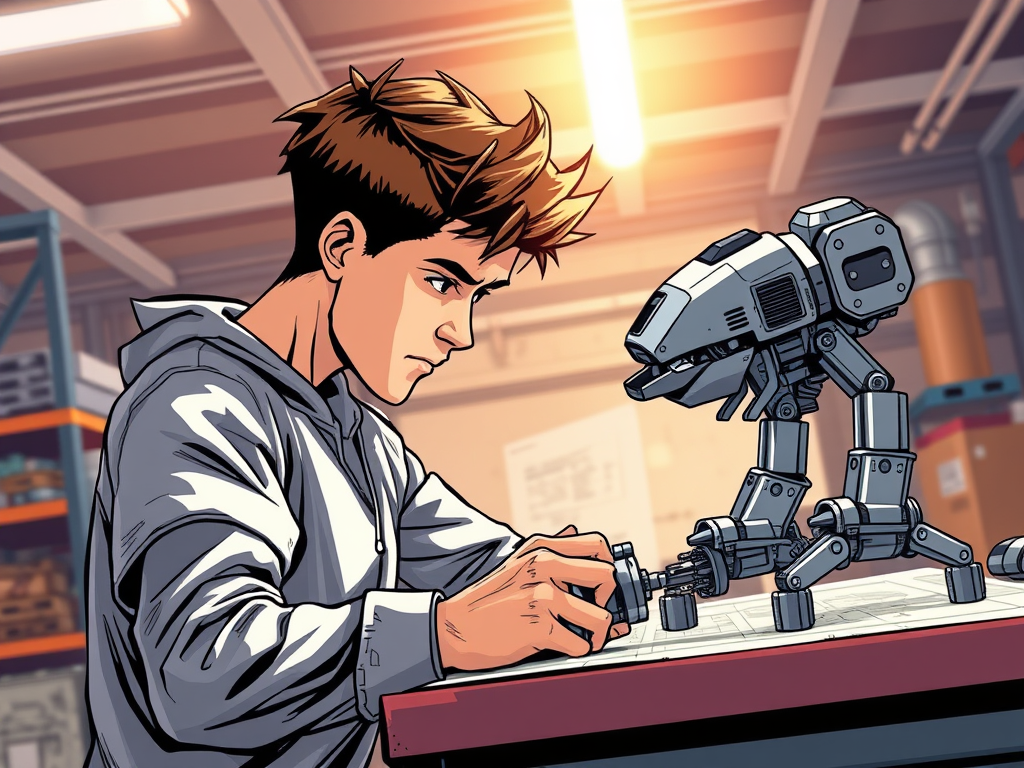
AI-generated image. Building a mech to fetch humans.

The Power of VS Code

I often use VS Code Studio to develop my applications. Sometimes it helps, but there are times when I have to operate out of vs code studio and go somewhere like codepen.io because it auto refresh so in a way I’m developing my applications in real-time versus having to manually refresh myself. I know I’m lazy. VS Code, with its extensive range of extensions and customization options, has become a popular choice among developers. While it may have a steeper learning curve than CodePen, the benefits are undeniable.

Here are some of the advantages of using VS Code:

  • IntelliSense: This feature provides code completion suggestions as you type, saving time and reducing errors.
  • Debugging: VS Code’s built-in debugger allows you to step through your code line by line, inspect variables, and identify issues.
  • Git Integration: Easily manage your version control with seamless Git integration.
  • Customization: Tailor your development environment to your preferences with themes, keybindings, and extensions.
AI-generated image. Sometimes you can develop in both worlds.

The Best of Both Worlds

While VS Code offers a powerful and flexible development environment, there’s still a place for simpler tools like CodePen. For quick prototyping and sharing code snippets, CodePen remains a valuable resource.

By strategically combining the strengths of both tools, you can create a highly effective development workflow. For example, you might use CodePen to experiment with new ideas and then transition to VS Code for more serious projects.

Ultimately, the best tools for you will depend on your individual needs and preferences. Don’t be afraid to experiment and find a setup that works best for you.

Love learning tech? Join our community of passionate minds! Share your knowledge, ask questions, and grow together. Like, comment, and subscribe to fuel the movement!

Don’t forget to share.

Every Second Counts. Help our website grow and reach more people in need. Donate today to make a difference!

One-Time
Monthly
Yearly

Make a one-time donation

Make a monthly donation

Make a yearly donation

Choose an amount

$5.00
$15.00
$100.00
$5.00
$15.00
$100.00
$5.00
$15.00
$100.00

Or enter a custom amount

$

Your contribution is appreciated.

Your contribution is appreciated.

Your contribution is appreciated.

DonateDonate monthlyDonate yearly