The Future of VR: Innovations and Impacts

Key Takeaways

  • VR offers immersive experiences but current headsets are bulky and uncomfortable.
  • Social stigma and technical limitations hinder widespread adoption.
  • The future of VR looks promising with advancements in technology.
  • Excessive VR use can be addictive and isolating.
  • It’s important to find a balance between virtual and real-world experiences.
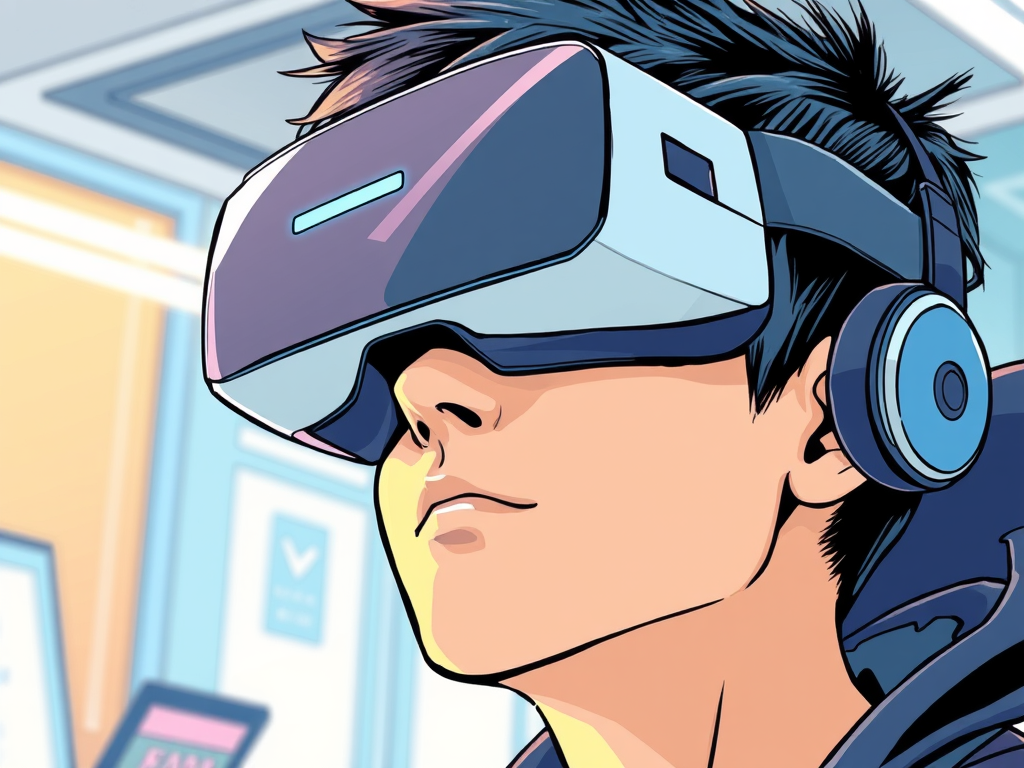
AI-generated image. I think Daft Punk was on to something here. VR is pretty cool.

Exploring the World of Virtual Reality: A Tech Enthusiast’s Perspective

Hey there, fellow tech enthusiasts! It sounds like cringe when you read this, I’m sure. Lately, I’ve been hearing a lot about Virtual Reality (VR) and its growing popularity. It seems like VR is really taking off, and I wanted to share some thoughts and experiences with you. And before you ask in the comments, no, I didn’t not get the Apple Vision Pro. I have bills to pay.

My VR Journey

While my personal experience with VR is somewhat limited, I’ve had the chance to try out a couple of devices: the Oculus and the Meta Quest. Let me tell you, VR isn’t just about slipping on some goggles and being transported to a faraway land—though that might not be too far off in the future! We are still looking forward to the future, right? Or did we mess up too bad?

The Good and the Bad

Immersive Experiences: VR can truly transport you to fantastical worlds and provide immersive experiences that are hard to match. Depending on the device being used. The early version of the oculus, which came with the purchase of my phone at the time wasn’t as powerful as the devices we have now. Picture, putting on goggles and seeing N64 graphics. Yeah, it was like that.

Physical Limitations: However, current VR headsets are still quite bulky and can be uncomfortable for extended periods. For instance, some people tried spending 24 hours with Apple’s Vision Pro, and it didn’t turn out well due to its bulkiness and battery life. If you’re someone who sweats for no real reason, the device will tend to slide down which is another drawback.

AI-generated image. If life doesn’t try to get you, a manhole will.

Social Stigma: So, you dropped some money, now wish to make like Tony Stark off of Iron Man 2, and pop-up screens everywhere, at any point in time. I’ve got news for ya. Wearing a VR headset in public can make you look a bit… eccentric. Imagine walking around and making gestures while others watch—it can be quite the spectacle! That is, until you make like a cartoon character, and fall down a manhole.

Technical Limitations: Battery life and processing power are still significant constraints that need to be addressed. However, there’s always going to be a problem with battery life. That’s just life.
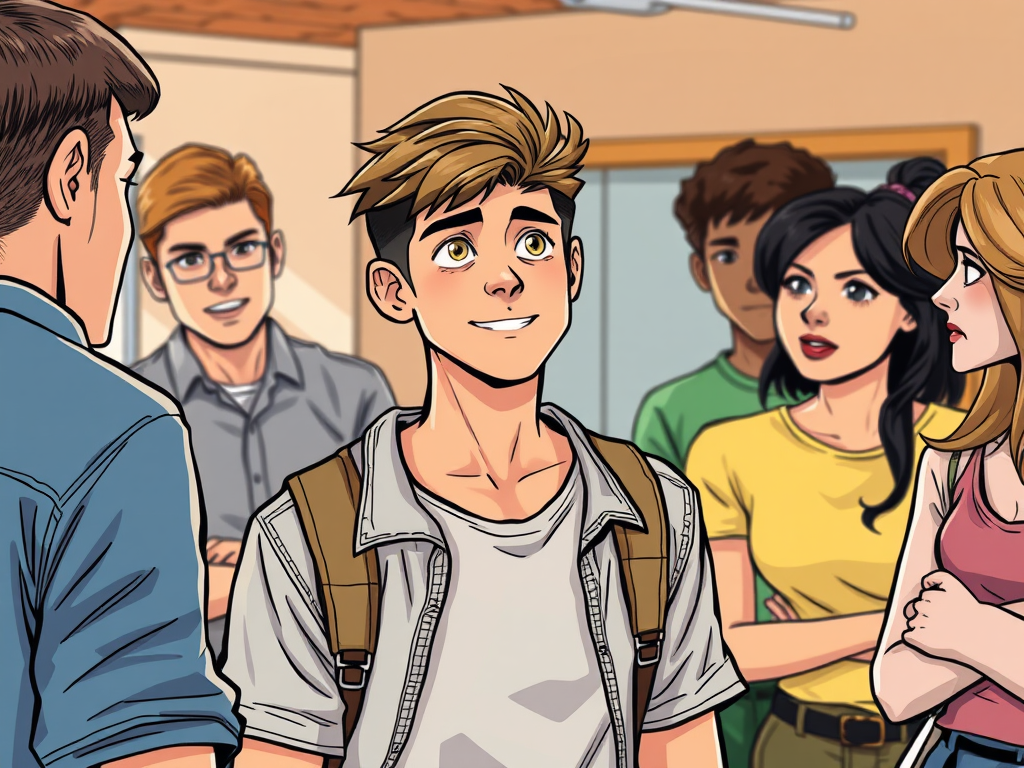
AI-generated image. Talking to real-life people is still important…sometimes.

The Future of VR

Despite these limitations, the future of VR looks promising. As technology advances, we can expect more lightweight and comfortable headsets, longer battery life, and more realistic graphics. However, it’s important to consider the potential downsides of excessive VR use. Just like any technology, VR can be addictive and isolating if not used in moderation.

Striking a Balance

Now, we have to have the “talk”. And yes, I know this is going to be challenge for the masses. Heck, sometimes it’s a challenge for myself. While VR offers exciting possibilities, it’s crucial to maintain a healthy balance between virtual and real-world experiences. This means, going out and touching some grass, getting to know people. Working your network. You don’t have one? Guess you have to go make one. Although, gamers may be ahead of the curve on this one. Technology can connect us with people all over the world, but it can also isolate us from those closest to us. It’s important to find a balance between our digital and real-world relationships. You never know, the friend you made in the real world could be a millionaire in the virtual one.

Your Thoughts?

What are your thoughts on VR? Have you tried any VR devices? Share your experiences and predictions for the future of VR in the comments below!

Love learning tech? Join our community of passionate minds! Share your knowledge, ask questions, and grow together. Like, comment, and subscribe to fuel the movement!

Don’t forget to share.

Every Second Counts. Help our website grow and reach more people in need. Donate today to make a difference!

One-Time
Monthly
Yearly

Make a one-time donation

Make a monthly donation

Make a yearly donation

Choose an amount

$5.00
$15.00
$100.00
$5.00
$15.00
$100.00
$5.00
$15.00
$100.00

Or enter a custom amount

$

Your contribution is appreciated.

Your contribution is appreciated.

Your contribution is appreciated.

DonateDonate monthlyDonate yearly
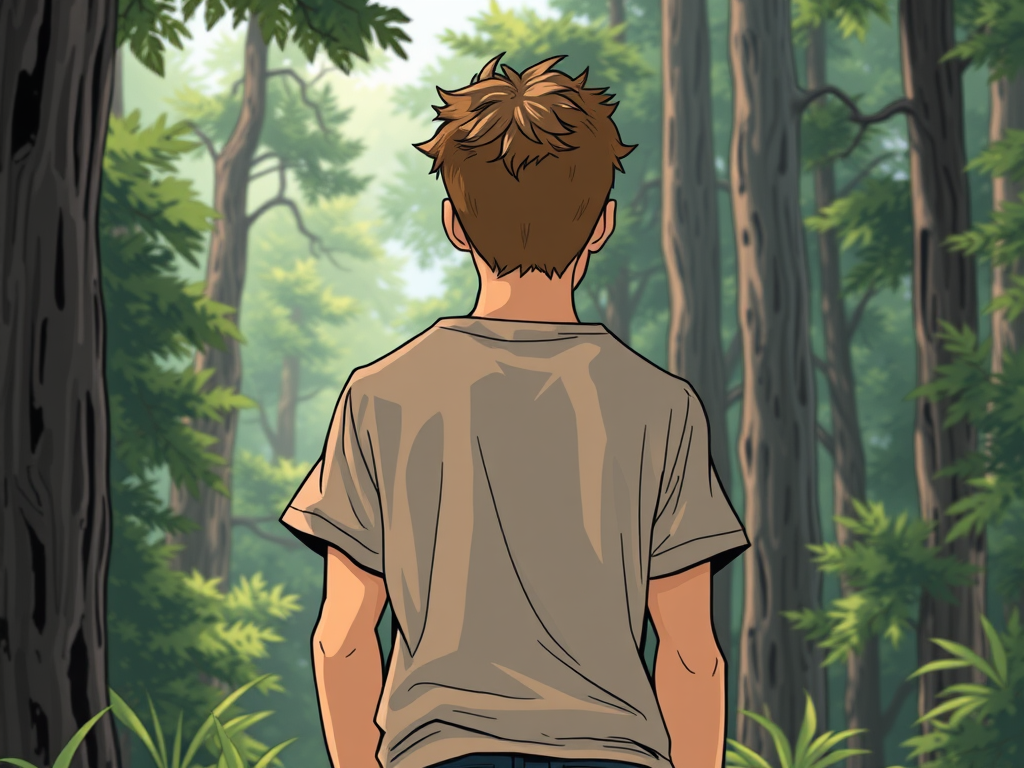

The Path of Transformation: From Simplicity to Complexity and Back Again

AI-generated image. Hold on; this might get hairy.

The Ascent: Ten Pillars of Progress

From the ancient forests that nurtured humanity’s early survival to the skyscrapers and silicon chips that define our modern world, technology has been both a reflection of our ingenuity and a testament to our ambition. We’ve risen with the tools we’ve created, building complex systems that sustain our societies, connect our minds, and expand our horizons.

Yet, as our dependence on technology grows, so does the risk of losing balance—forgetting the wisdom and resilience that nature imparts. Could it be that our technological ascent carries the seeds of our return to simpler beginnings, back to the trees that once sheltered us?

In this exploration, we’ll uncover how humanity’s reliance on technology might lead us to rediscover the roots from which we came.

  • Artificial Intelligence (AI): The Mind of the Machine:
    • From the nascent days of cybernetics to the sophisticated neural networks of today, AI represents a seismic shift in our relationship with machines. We’re witnessing a revolution, with its ethical and societal implications still unfolding.
  • Space Exploration: Reaching for the Stars:
    • Fuelled by the Cold War’s competitive fire, space exploration has expanded our cosmic horizons. The Apollo missions, cultural milestones, have paved the way for commercial ventures like SpaceX, heralding an era of potentially democratized space travel.
  • Medical Breakthroughs: Conquering Disease:
    • From germ theory to the genomic revolution, medical advancements have consistently extended human lifespans and enhanced quality of life. The rapid development of mRNA vaccines stands as a testament to the power of global scientific collaboration.
  • Renewable Energy: Powering a Sustainable Future:
    • Driven by the urgent need to combat climate change, renewable energy technologies are transforming our relationship with the planet. Solar, wind, and geothermal power are no longer niche alternatives but essential components of global energy strategies.
  • Smart Technology and the Internet of Things (IoT): The Interconnected World:
    • Our lives are increasingly interconnected, thanks to smart technology and the IoT. From smart homes to industrial automation, these technologies are reshaping our interactions. The rise of 5G and connectivity forms the backbone of this evolution.
  • Quantum Computing: Unlocking Unprecedented Power:
    • While still in its infancy, quantum computing holds the promise of solving problems beyond the reach of classical computers, with profound implications for cryptography, materials science, and drug discovery.
  • Augmented and Virtual Reality (AR/VR): Blurring Reality:
    • AR/VR technologies are transforming how we experience information and interact with digital environments, blurring the lines between the physical and virtual worlds.
  • Robotics and Automation: Reshaping the Workforce:
    • Robotics and automation are revolutionizing manufacturing, logistics, and even personal care, raising questions about the future of labor.
  • Biotechnology and Genetic Engineering: The Building Blocks of Life:
    • Tools like CRISPR are opening up unprecedented possibilities in medicine and agriculture, but also raise ethical considerations that demand careful deliberation.
AI-generated image. “This fall is coming in hot.”

The Descent: The Shadow Side of Progress

However, technological advancement is a double-edged sword. As historians, we must acknowledge the unintended consequences that accompany progress:

  • Digital Addiction: The Persuasive Power of Technology:
    • The addictive potential of persuasive technologies, particularly social media and video games, poses a significant threat to mental health and social development.
  • Job Displacement: The Automation Dilemma:
    • The rapid pace of AI-driven automation raises concerns about long-term employment prospects and the need for workforce retraining.
  • Cybersecurity Threats: The Digital Frontier of Crime:
    • The interconnectedness of our systems makes them vulnerable to cyberattacks, highlighting the need for constant vigilance and adaptation.
  • Privacy Concerns: The Surveillance State:
    • Mass surveillance and data collection raise ethical questions about individual rights and the balance between convenience and privacy.
  • Environmental Impact: The Cost of Progress:
    • Electronic waste and the energy demands of data centers contribute to pollution and climate change, necessitating sustainable practices.
  • Social Disconnection: The Paradox of Connectivity:
    • Despite the promise of global connectivity, technology can lead to feelings of isolation and loneliness.
  • Weaponization of Technology: The Destructive Potential:
    • The development of sophisticated weapons systems raises ethical concerns about autonomous killing machines and the potential for escalation.
  • Misinformation and Echo Chambers: The Erosion of Truth:
    • Social media algorithms can amplify misinformation and reinforce biased viewpoints, undermining democratic discourse.
  • Health Issues: The Physical Toll of Digital Immersion:
    • Prolonged screen use and sedentary lifestyles contribute to health issues like eye strain and poor posture.
  • Dependency on Technology: The Atrophy of Skills:
    • Over-reliance on technology can lead to the loss of essential skills.

As we reflect on humanity’s trajectory, from the fertile embrace of nature to the dazzling heights of technological advancement, the path ahead comes into focus. Our reliance on technology, while empowering, holds the potential for fragility. Should our systems falter, or the complexity outpace our ability to adapt, we may find ourselves seeking refuge once more among the trees—turning to nature for resilience, simplicity, and survival. Let this be a reminder that progress must always be accompanied by balance, and innovation guided by respect for the world that sustains us. From the trees to tech and back again, the cycle invites us to learn, grow, and choose wisely.

AI-generated image.”Give time, we can rebuild.”

Key Takeaways

On Technological Advancement (The “Ascent”):

  • Progress is driven by core human desires: The pursuit of knowledge, overcoming limitations, and improving the human condition are recurring themes.
  • Technology is transformative: AI, space exploration, medical breakthroughs, and other areas are fundamentally reshaping our world.
  • Ethical considerations are paramount: Many advancements, especially in AI and genetic engineering, require careful deliberation.
  • Interconnectedness is a defining feature: The IoT and 5G highlight the increasing interconnectedness of our lives.
  • Sustainability is crucial: The shift towards renewable energy underscores the need for a sustainable future.

On the Unintended Consequences (The “Descent”):

  • Progress has a shadow side: Technological advancements often come with unforeseen negative impacts.
  • Digital addiction is a growing concern: Persuasive technologies can lead to compulsive behavior.
  • Job displacement is a real threat: Automation raises concerns about the future of work.
  • Cybersecurity and privacy are critical issues: Interconnectedness creates vulnerabilities and raises ethical questions.
  • Technology can impact physical and mental health: Prolonged use can lead to health problems and social isolation.
  • Misinformation poses a threat to society: Social media can amplify false information and polarization.
  • Responsible innovation is essential: We must carefully consider the potential consequences of technological progress.
  • Balance is key: Finding a balance between technological assistance and preserving human ingenuity is crucial.

Love learning tech? Join our community of passionate minds! Share your knowledge, ask questions, and grow together. Like, comment, and subscribe to fuel the movement!

Don’t forget to share.

Every Second Counts. Help our website grow and reach more people in need. Donate today to make a difference!

One-Time
Monthly
Yearly

Make a one-time donation

Make a monthly donation

Make a yearly donation

Choose an amount

$5.00
$15.00
$100.00
$5.00
$15.00
$100.00
$5.00
$15.00
$100.00

Or enter a custom amount

$

Your contribution is appreciated.

Your contribution is appreciated.

Your contribution is appreciated.

DonateDonate monthlyDonate yearly

Is AI Revolutionizing Our Future?

AI-generated image. “Maybe…maybe I’m overthinking again.”

The AI Revolution: Are We Living in the Future We Imagined?

Whoa, buckle up, tech enthusiasts! The pace of innovation these days is absolutely breakneck. Blink and you might just find yourself stuck in the digital dark ages. For ages, we’ve known the mantra: adapt to tech or get left behind. And let’s be real, technology has undeniably made our lives smoother. Remember the agony of typos before autocorrect? The suspense of not knowing who was calling? The manual calculations on a basic calculator? We’ve come light-years, experiencing advancements that genuinely simplify our daily routines.

Now, all eyes are on Artificial Intelligence. We hope it will follow this trend of making life easier. But lately, I’ve been pondering something deeper. It feels like AI is shifting from being a tool we use to get things done, to becoming an integral part of who we are. Are we leaning on AI as instinctively as flipping a light switch? Let’s dive into why this might be the case.

AI-generated image. “Are we truly blurring reality?”

The Content Creation Explosion (and the Blurring Lines of Reality)

One of the most significant impacts of AI has been in the realm of content creation. Suddenly, the age-old adage of “fake it ’til you make it” has taken on a whole new dimension. Generative AI can now churn out images, text, and more at an astonishing rate. It’s like everyone suddenly has access to a ghostwriter, a digital artist on demand.

And honestly, if the content is engaging and enjoyable, do we really care if it was crafted by a human or an algorithm? Maybe not. But with this democratization of content creation, a crucial question arises: Can there be too much of a good thing? What happens when the digital landscape becomes saturated with AI-generated content, making it harder to discern authenticity?

AI-generated image. “Do you think we’ll lose our ability to create?”

The Achilles’ Heel: Data Dependency and the Human Element

As many of us deep in the trenches of machine learning and neural networks know, the dazzling capabilities of AI come with a significant caveat: it’s not infallible. Not even close to 100%, and certainly not consistently. The truth is, AI’s performance is intrinsically linked to the data it’s trained on and the humans who program the models.

The idea of AI programming AI might sound like sci-fi becoming reality, and yes, it’s happening. But is it practical or entirely safe? Not really. There’s no guarantee that an AI tasked with creating more AI won’t simply regurgitate existing patterns and biases. In short, I’m starting to feel like AI is becoming the new Google – a vast repository of information, but one that might lack the nuance, originality, and critical thinking that comes with human insight. And frankly, that’s a little unsettling.

So, where do we go from here? Are we destined to become increasingly reliant on AI, even at the risk of losing a bit of our own ingenuity and critical thinking? Let’s keep this conversation going. I’m eager to hear your thoughts in the comments below!

Key Takeaways

  • Rapid Technological Change: The world is evolving incredibly fast, and keeping up with technology, especially AI, is crucial to avoid being left behind.
  • AI’s Growing Presence: AI is transitioning from being a tool to becoming a more integrated part of our lives, potentially influencing us as much as basic utilities.
  • AI in Content Creation: Generative AI has democratized content creation, allowing for easy generation of images, text, etc., but this raises questions about authenticity and potential oversaturation.
  • Data and Human Influence on AI: AI’s accuracy and reliability are heavily dependent on the data it’s trained on and the humans programming it, meaning it’s not always perfect and can reflect existing biases.
  • Concerns about Over-Reliance: There’s a worry that we might become overly reliant on AI, potentially at the expense of human ingenuity and critical thinking.
  • AI as the “New Google”: The author expresses concern that AI is becoming a primary source of information, similar to Google, but potentially lacking in nuance and originality.
  • Call for Discussion: The post encourages readers to engage in a conversation about the implications of AI’s increasing role in our lives.

Love learning tech? Join our community of passionate minds! Share your knowledge, ask questions, and grow together. Like, comment, and subscribe to fuel the movement!

Don’t forget to share.

Every Second Counts. Help our website grow and reach more people in need. Donate today to make a difference!

One-Time
Monthly
Yearly

Make a one-time donation

Make a monthly donation

Make a yearly donation

Choose an amount

$5.00
$15.00
$100.00
$5.00
$15.00
$100.00
$5.00
$15.00
$100.00

Or enter a custom amount

$

Your contribution is appreciated.

Your contribution is appreciated.

Your contribution is appreciated.

DonateDonate monthlyDonate yearly