Exploring VR and AR: Redefining Reality and Connection

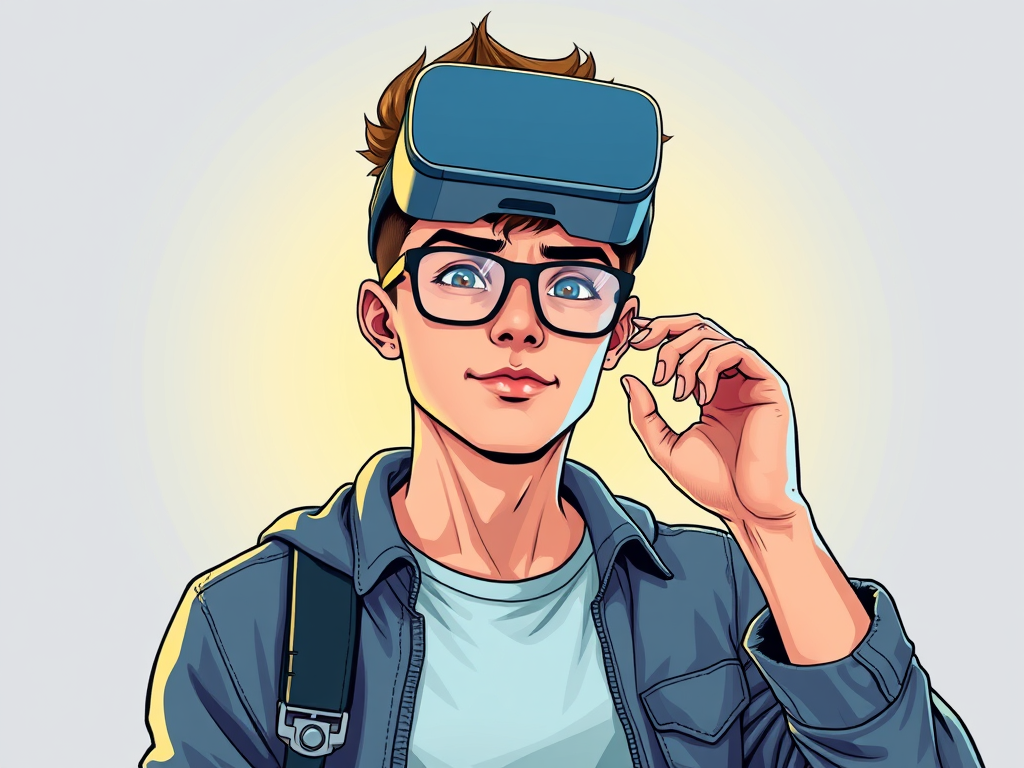
AI generated image. “Projects, projects, and more projects with tight deadlines! How is this my life!?”

The Thinking Minute

Imagine this: you’re sitting down, staring at the screen, and I’m about to throw you into an existential whirlpool—but stay with me. One day, hopefully far from now, you won’t be here. No more sunsets, no more memes, no more you. Now that the gravity of that thought has anchored itself, let’s ask the big question: what makes anything we do in this fleeting existence matter? We grind through our daily lives, often driven by the hamster wheel of work and bills, sacrificing self-growth on the altar of employment. Yet, life is finite—and doesn’t that truth compel us to ask, “What is this all for?”

Here’s where this gets even more fascinating. Picture this: after you’ve shuffled off this mortal coil, someone dons a VR headset. In an instant, there you are—fully rendered, fully interactive, almost as if you never left. How would it feel to live on in this digital eternity? Would the knowledge of this virtual persistence change how we live our physical lives? These questions touch the edge of both philosophy and technology, and today, we’ll dive headfirst into the deep end of this thought-provoking fusion. Buckle up; it’s going to get weird—in the best way.

Exploring the Wonders of VR/AR and AI Technology

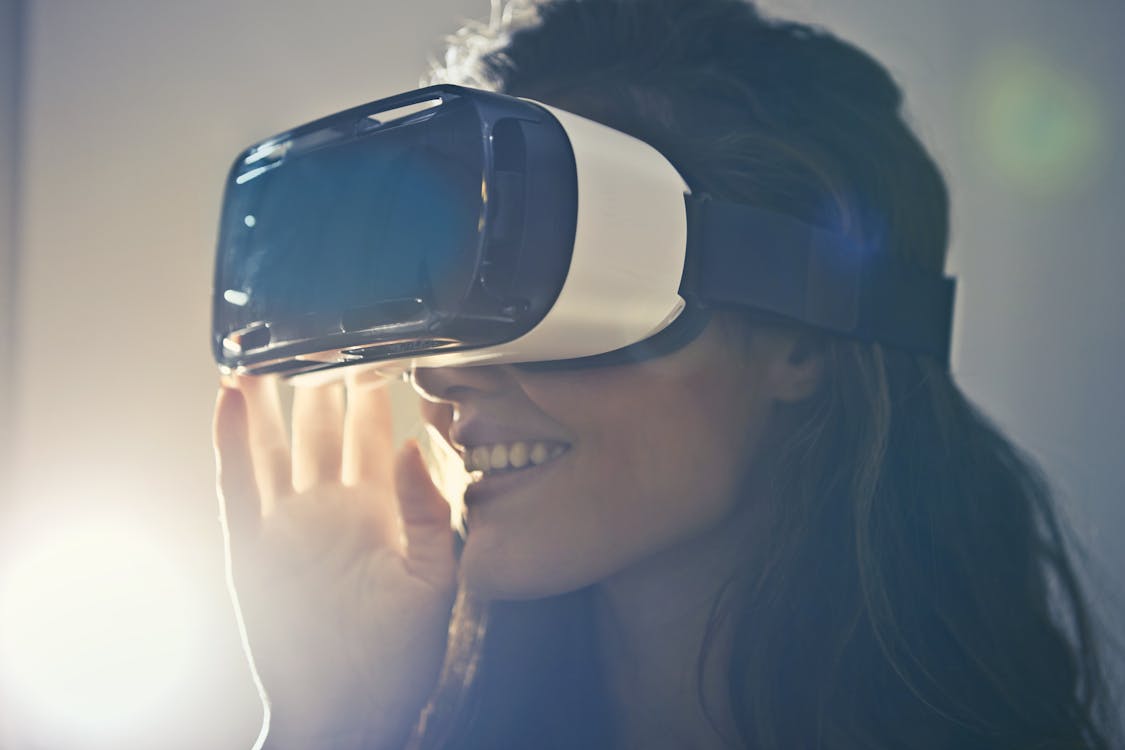
Virtual Reality (VR) and Augmented Reality (AR) are transforming the way we interact with the digital and physical worlds. These groundbreaking innovations extend far beyond novelty—they have applications that enrich education, entertainment, healthcare, and so much more.
The Purpose of VR and AR

The primary goal of VR and AR is to reshape how we engage with both our surroundings and the digital realm. VR immerses users entirely in a computer-generated environment, enabling experiences like gaming, virtual training, therapy, or even simulated travel to far-off places. In contrast, AR overlays digital information on the real world, augmenting daily tasks such as navigation, surgical procedures, or even retail through virtual try-ons. Together, these technologies bridge the gap between the physical and digital, redefining the way we live, learn, work, and play.

The Progress of VR/AR Technology

Over the years, VR/AR has seen remarkable advancements. Early models were bulky and functionally limited, but modern devices like the Meta Quest, Microsoft HoloLens, and AR-enabled smartphones offer highly interactive and immersive experiences. These technologies have found widespread use in fields such as healthcare, education, and industrial design, enabling high-fidelity simulations and training environments. However, challenges remain, such as reducing costs, improving user comfort (e.g., mitigating motion sickness), and creating even more natural interfaces. Exciting developments like lightweight headsets, enhanced resolution, and seamless AR glasses are paving the way for even broader adoption.

AI: Can It Replicate Loved Ones?

AI holds the potential to replicate certain aspects of a loved one by using data such as photos, videos, voice recordings, and written communication. Advanced machine learning algorithms enable the creation of digital avatars or chatbots that mimic a person’s appearance, speech, and even emotional expressions. While these representations can evoke familiarity, they lack the depth of consciousness, personality, and the unique dynamism of human beings. As fascinating as this prospect is, it raises important ethical questions about consent, privacy, and the psychological impact on users.

The Cost of Digital Connections

Maintaining a digital likeness of a loved one would likely involve a subscription model for data storage, regular updates, and ongoing AI refinement. The price of such services would vary depending on the level of detail and functionality desired. For many, the decision would be highly personal, influenced by financial circumstances and emotional priorities.

Current Technologies That Simulate Reanimation

While true reanimation remains impossible, today’s technology can replicate certain facets of a loved one’s presence. For example, holographic displays can visually project lifelike representations, and AI-driven voice interfaces allow simulated conversations. Deepfake technology adds another layer of realism by animating visuals in convincing ways. However, these tools, while powerful, remain limited to imitation and lack the genuine emotional connection and consciousness of a loved one.

Ethical Considerations and the Road Ahead

As these technologies continue to evolve, they open extraordinary possibilities while raising complex ethical dilemmas. Questions around data privacy, the psychological effects of engaging with digital replications, and societal implications need careful consideration. At the same time, innovations in VR, AR, and AI offer immense potential to enrich lives, preserve memories, and transform industries.

These breakthroughs underscore humanity’s drive to push the boundaries of innovation. As we navigate their development and adoption, it’s vital to balance technological possibilities with ethical responsibilities. What does the future hold for these advancements? Only time will tell, but their impact is already reshaping our world.

Key Takeaways

  1. Purpose of VR/AR: VR creates immersive digital environments, while AR overlays digital elements onto the real world. Both aim to bridge physical and digital spaces, redefining experiences in various sectors like gaming, healthcare, and education.
  2. Advancements in VR/AR: Modern devices, such as the Meta Quest and Microsoft HoloLens, provide sophisticated and interactive experiences. Progress includes lighter headsets, enhanced resolution, and seamless AR glasses, though challenges like cost and user comfort remain.
  3. AI and Loved Ones’ Replication: AI can replicate aspects of a loved one using data inputs (e.g., photos, messages, videos). Machine learning enables simulations of speech and behaviors, but these replications lack the depth, consciousness, and dynamic essence of human beings.
  4. Costs of Digital Maintenance: Maintaining a digital likeness of a loved one may involve subscription fees for data storage, updates, and model refinement, making it a personal and emotional financial decision.
  5. Technologies for Reanimation: While true reanimation is unattainable, technologies like holographic displays, deepfake creations, and AI-driven digital avatars simulate some aspects of a loved one’s presence, albeit in an imitative way.
  6. Ethical Considerations: The use of AI for replicating loved ones raises important ethical concerns, including privacy, consent, and emotional impacts on users.
  7. Broader Impact: These advancements reflect humanity’s innovative drive, offering opportunities to enrich lives while demanding thoughtful consideration of their societal and emotional implications.

Love learning tech? Join our community of passionate minds! Share your knowledge, ask questions, and grow together. Like, comment, and subscribe to fuel the movement!

Don’t forget to share.

Every Second Counts. Help our website grow and reach more people in need. Donate today to make a difference!

One-Time
Monthly
Yearly

Make a one-time donation

Make a monthly donation

Make a yearly donation

Choose an amount

$5.00
$15.00
$100.00
$5.00
$15.00
$100.00
$5.00
$15.00
$100.00

Or enter a custom amount

$

Your contribution is appreciated.

Your contribution is appreciated.

Your contribution is appreciated.

DonateDonate monthlyDonate yearly

The Future of VR: Innovations and Impacts

Key Takeaways

  • VR offers immersive experiences but current headsets are bulky and uncomfortable.
  • Social stigma and technical limitations hinder widespread adoption.
  • The future of VR looks promising with advancements in technology.
  • Excessive VR use can be addictive and isolating.
  • It’s important to find a balance between virtual and real-world experiences.
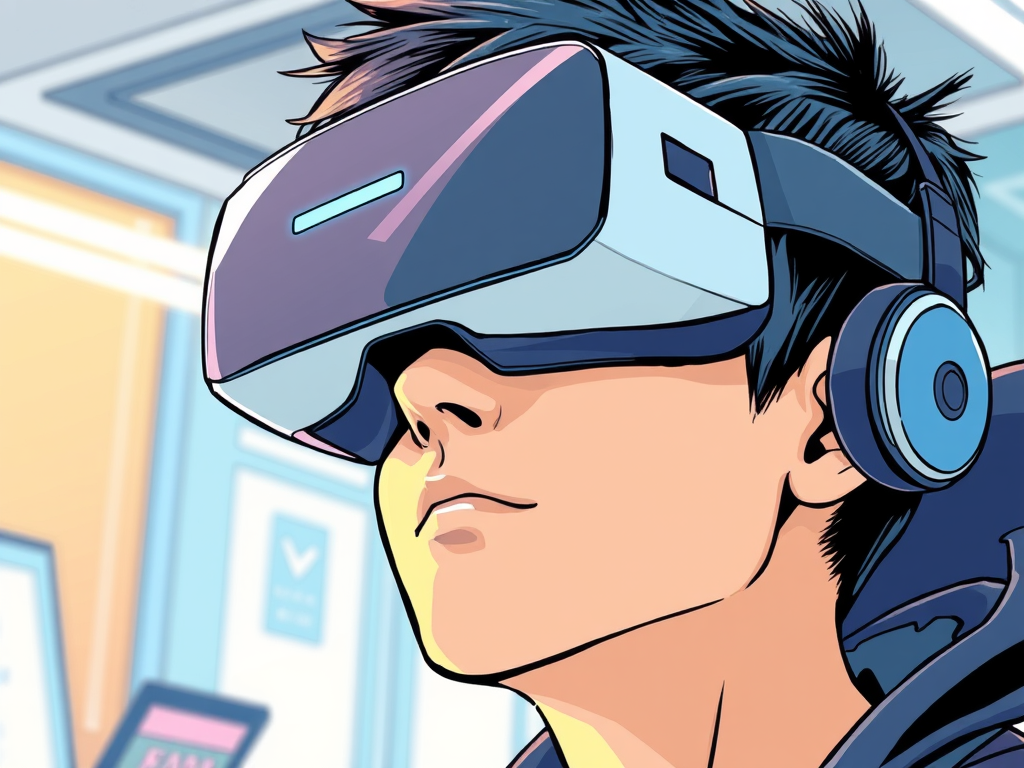
AI-generated image. I think Daft Punk was on to something here. VR is pretty cool.

Exploring the World of Virtual Reality: A Tech Enthusiast’s Perspective

Hey there, fellow tech enthusiasts! It sounds like cringe when you read this, I’m sure. Lately, I’ve been hearing a lot about Virtual Reality (VR) and its growing popularity. It seems like VR is really taking off, and I wanted to share some thoughts and experiences with you. And before you ask in the comments, no, I didn’t not get the Apple Vision Pro. I have bills to pay.

My VR Journey

While my personal experience with VR is somewhat limited, I’ve had the chance to try out a couple of devices: the Oculus and the Meta Quest. Let me tell you, VR isn’t just about slipping on some goggles and being transported to a faraway land—though that might not be too far off in the future! We are still looking forward to the future, right? Or did we mess up too bad?

The Good and the Bad

Immersive Experiences: VR can truly transport you to fantastical worlds and provide immersive experiences that are hard to match. Depending on the device being used. The early version of the oculus, which came with the purchase of my phone at the time wasn’t as powerful as the devices we have now. Picture, putting on goggles and seeing N64 graphics. Yeah, it was like that.

Physical Limitations: However, current VR headsets are still quite bulky and can be uncomfortable for extended periods. For instance, some people tried spending 24 hours with Apple’s Vision Pro, and it didn’t turn out well due to its bulkiness and battery life. If you’re someone who sweats for no real reason, the device will tend to slide down which is another drawback.

AI-generated image. If life doesn’t try to get you, a manhole will.

Social Stigma: So, you dropped some money, now wish to make like Tony Stark off of Iron Man 2, and pop-up screens everywhere, at any point in time. I’ve got news for ya. Wearing a VR headset in public can make you look a bit… eccentric. Imagine walking around and making gestures while others watch—it can be quite the spectacle! That is, until you make like a cartoon character, and fall down a manhole.

Technical Limitations: Battery life and processing power are still significant constraints that need to be addressed. However, there’s always going to be a problem with battery life. That’s just life.

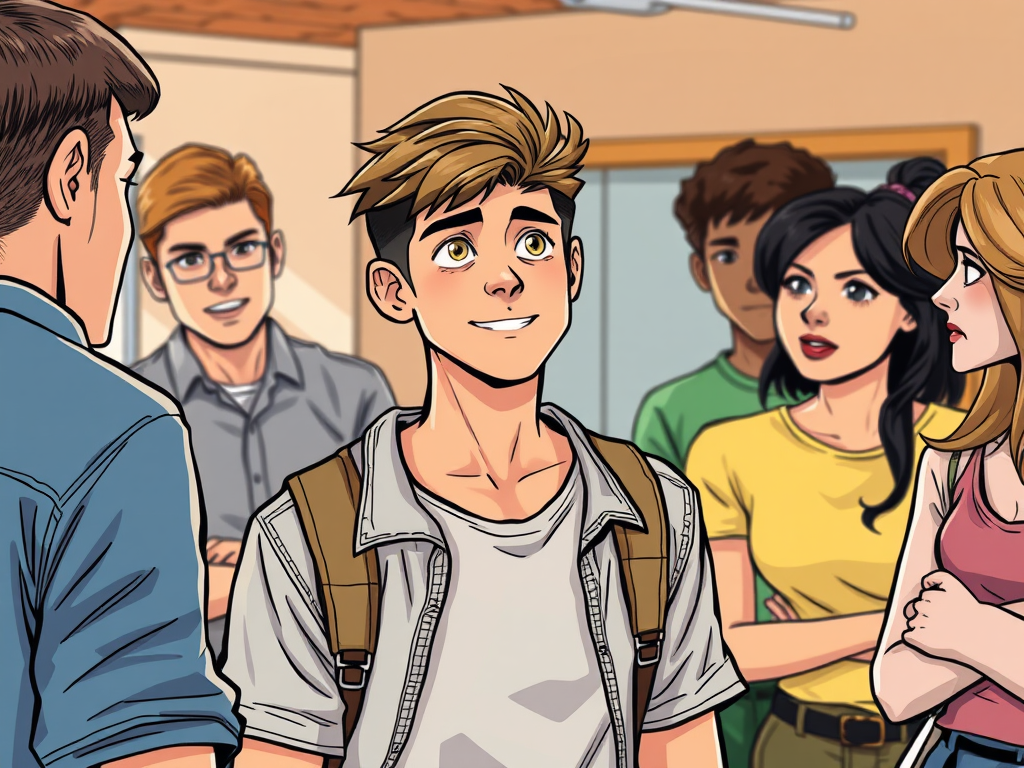
AI-generated image. Talking to real-life people is still important…sometimes.

The Future of VR

Despite these limitations, the future of VR looks promising. As technology advances, we can expect more lightweight and comfortable headsets, longer battery life, and more realistic graphics. However, it’s important to consider the potential downsides of excessive VR use. Just like any technology, VR can be addictive and isolating if not used in moderation.

Striking a Balance

Now, we have to have the “talk”. And yes, I know this is going to be challenge for the masses. Heck, sometimes it’s a challenge for myself. While VR offers exciting possibilities, it’s crucial to maintain a healthy balance between virtual and real-world experiences. This means, going out and touching some grass, getting to know people. Working your network. You don’t have one? Guess you have to go make one. Although, gamers may be ahead of the curve on this one. Technology can connect us with people all over the world, but it can also isolate us from those closest to us. It’s important to find a balance between our digital and real-world relationships. You never know, the friend you made in the real world could be a millionaire in the virtual one.

Your Thoughts?

What are your thoughts on VR? Have you tried any VR devices? Share your experiences and predictions for the future of VR in the comments below!

Love learning tech? Join our community of passionate minds! Share your knowledge, ask questions, and grow together. Like, comment, and subscribe to fuel the movement!

Don’t forget to share.

Every Second Counts. Help our website grow and reach more people in need. Donate today to make a difference!

One-Time
Monthly
Yearly

Make a one-time donation

Make a monthly donation

Make a yearly donation

Choose an amount

$5.00
$15.00
$100.00
$5.00
$15.00
$100.00
$5.00
$15.00
$100.00

Or enter a custom amount

$

Your contribution is appreciated.

Your contribution is appreciated.

Your contribution is appreciated.

DonateDonate monthlyDonate yearly
W.o.W on Steroids

Quick note: if you’re viewing this via email, come to the site for better viewing. Enjoy!

red tv on a box
The Metaverse will not be televised, you will not be able to sit at your desk and cop out.
Photo by Christiano Sinisterra, please support by following @pexel.com

Do you remember the good old days of living in a cave with your favorite show on the fire, you sat waiting for your significant other to wake up from “clubbing” too hard so they can make you a meal.

You know, real caveman stuff that lasted up to the end of the 1950s. No, me neither, I was born many years after disco had caught that lovely final sunset and bellbottoms were fading into nothing more than a high schooler’s cry for help.

Now our lives are filled with so much more than before, we went from throwing up peace signs, and yelling about making love and not war to making people pay for something they said way back when freedom of speech was just that, freedom of speech.

As you look around you, you can see that we have an ever-growing list of devices and gadgets that connect us to the internet creating a new world for us to live in and hopefully not destroy but if Uncle Ben has taught us anything, with great power, comes zero responsibility.

person wearing VR goggles
Everything is so life-like, I should try walking around.
Photo by Andrea Piacquadio, please support by following @pexel.com

Meeting Meta

What is this new world we are making for ourselves just in case we can’t get on Elon’s rocket ship to Mars? Look no further than the Metaverse. No, not Meta, that was a desperation tactic to innovate a dying company. Don’t believe me, check their stock price.

Metaverse is a point for communication that bridges physical and virtual experiences. The digital environment is complete with augmented reality (AR) and virtual reality (VR) technology that will change how we connect to and access information.

This would be a place where you could create your second life, well that’s what the aim is, however, you’ll be able to do everything except eat and perform that all-so-sweet saucy dance called “fun hugging” to make a baby. You know, the important things to further our existence in this world.

girl playing computer games
She may seem nice but that’s doesn’t mean she won’t hesitate to put a cap in you online.
Photo by RODNAE Productions, please support by following @pexel.com

In The Verse of Toxicity

If you have ever spent any time online playing a video game like Call of Duty or Halo, you will know there is a galaxy of toxic people. More than you meet in real life and it’s all thanks to not enough people signing my petition to move forward with my “Everyone gets one punch to the throat” program. Now we have a world of people walking around not knowing what a throat punch feels like.

So, as you can imagine, the metaverse is meant for everyone, however, be prepared to experience online interactions if you haven’t had one. But the metaverse end idea hasn’t been developed yet. Microsoft acquired a company called AltspaceVR which originally sought to create the metaverse mentioned above.

AltspaceVR was looking to offer a 3d world that would host club nights with live DJs, book launches, fashion shows, bible study, and stand-up comedy nights. However, with a lack of funding to keep servers running, this company was forced to sunset. That’s “We have to put Lassie down” in IT terms.

AltspaceVR join with Microsoft to create Microsoft Mesh, this is a mixed-reality communication platform that’s based on holograms using 3d captures to let people work together as if they were in the same space.

This application of VR is business-oriented and while it may not be to the likes of what AltspaceVR was looking to offer the upside is since it has holograms, you’re bound to catch a Tupac or two walking around the virtual office.

a pill and a bitcoin coin
In the metaverse, you can either take the pill to make you go back to sleep or…just give us money. We like money more.
Photo by Jonathan Borba, please support by following @pexel.com

Trying to Live, Love, Laugh in VR

So, what makes the metaverse so important? Well, aside from having all the benefits of Ready Player One without the dystopian society (but hold on to your seat kids because we’re on our way) companies to the likes of Microsoft, Google, Nvidia, and Qualcomm all have invested billions of dollars in the idea.

This is scary because in order to have just one, I repeat just one, it could range from $25,000 to $400,000. That means you’re either putting down or paying for a house that doesn’t exist. A quick thing to note is like most things brought up in IT, the term has always been around, it dates to the 90s and was coined from a science fiction novel called “Snow Crash”. This sounds like a good read if you’re ever on the “white horse”.

Moving along, now there are some people in thought of the metaverse failing before it even launches and they’re not wrong in their thought. As you can imagine, trying to live virtually isn’t going to go all that well. Take for example, you’re playing a game in Oculus rift, and you have to go to the bathroom, since you’re playing a game multi-player you won’t be able to pause so what are you going to do? If I read any of you in the comment section saying, “I’d just go to the bathroom with the rift on”, I will be…well…not surprised because humans are going to human.

Porcelain thrones aside, other concerns are security, the metaverse has the same risk factors as simply being on the internet watching or uploading cat videos. These factors could be but are not limited to malware, viruses, hackers, and your children or significant other.

Children or significant other, but Z-Daddy how? Ja, that’s social engineering which is a form of hacking so have fun getting to sleep knowing the people you share a house with could be the reason you see mysterious charges popping up on your statements. Again, with great power, comes zero responsibility.

teacher looking a classroom of students with their hands raised
A quick show of hands, who has an Instagram account. Dear Budda, your parents are failing you.
Photo by Max Fischer, please support by following @pexel.com

Building Second Life Apart

I can hear you now, “Z-Daddy, can we get a job to help build this great metaverse?” Ja, ja, mein kind. You can land a job working on the development of the metaverse. Skills that would be needed are Java, computer programming, blockchain, and UI/UX (User interface/ User experience).

All these skills could be acquired by either joining meetups (not hookups), taking online courses, or opting for a boot camp or some other form of program. C++ would be another programming language to learn if you’re looking for development closer to the hardware.

The metaverse may not be to the level of what’s displayed in the Matrix or Ready Player One but that doesn’t mean you have to spend your time at a university to apply a degree of what you could apply if were to venture on your own without a degree.

It all comes down to how badly you want to start your second life.

group cheering watching sports on tv
Z-Daddy strikes again, come on! How can you not love this guy!?
Photo by Tamuka Xulu, please support by following @pexel.com

Made it this far and found this to be entertaining? Then a big thanks to you and please show your support by cracking a like, scripting a comment, launch a share, or plug-in to follow.

Would like to give sincere thanks to current followers and subscribers, your support and actions mean a lot and has a play in the creation of each script.

Do you think you could have a play in the Metaverse?

Script a comment below.