
Quick note: if you’re viewing this via email, come to the site for better viewing. Enjoy!

Photo by Jack Sparrow, please show support by following @pexels.com
So you get an email from someone you don’t know, more likely they’re someone who promises you something that’s usually too good to be true, like in my case a nice comfy job that would pay six figures and all I had to do was work from home.
My start date is still pending. In other cases, it could be presenting you the opportunity to hold money for them because they claim to be a rich prince (or princess) with a lot of money, and they’ll reward you handsomely for completing such a task for them.
If you haven’t gotten any of these emails, you’re the lucky one out of the bunch because other people can attest to having their spam inboxes littered with these emails.
If you have ever been unfortunate enough to complete your interaction with any of these individuals, you’ll be sad to know, you’ve just been phished (and no, it’s not what you think it is).
Don’t know what I mean? Well, you’re in luck because I’ll be going over what, how, who, and more or less how you can be more aware when checking your DMs.

Photo by cottonbro studio, please show support by following @pexel.com
Phishing with Dynamite
Phishing is not what the name states although it parallels and before you ask, no none of this happens with actual fish. Phishing is the act of contacting someone posing as a contact the victim may know or trust to extract money, and information, or to provide them with problematic malware.
Malware could be installed to either gather information without you knowing, wreak havoc on your computer, or simply a combination of the two.
There are a few various forms of phishing, all come with interesting versions of the original name. You have spear-phishing, whaling, smishing, vishing, and email-phishing.
Email phishing is the most common type of attack people fall victim to. In the other attacks, in a nutshell, an attacker is targeting you directly, an attacker is aiming for the most important individual in the company (more like CEO type person), an attacker tries contacting you via text with a link, and the last one is a voice call impersonating someone from a company like Microsoft.
There are two other types of attack which get even more interesting, there’s sextortion which is the attacker contacts you with a threat of revealing a recording from your webcam watching “adult time” material (been on the hub, I know that’s an actual brand, trust me I’m not proud) and search engine phishing (or SEO poisoning) where attackers prop themselves high up on the search engine only for you to click on their link and be redirected to emptying out your pockets or worse, releasing the hounds on your computer by downloading malware.
Criminals have many interesting ways of trying to get your money and that list continues to grow.

Photo by cottonbro studio, please show support by following @pexel.com
Emailing with Delicious Intent
Who are the people that do this and how could they do this to someone you might ask? Well, for one, it could be anybody, attackers come in all shapes and sizes.
That sweet old lady at the end of the street you live on who gives cookies to children with a smile and everyone in the neighborhood waves to could also be the same prince or princess seeking to pull money from your bank account.
And to the second part of your question, well, really, come on, the economy, might be a controversial thought but people would be less inclined to commit a crime if economic hardship wasn’t a thing.
Many people today are in the “have not” section of society and the cost of living rising each year applies pressure on people to venture into areas they wouldn’t have considered the year before, theft being one of them.
I’m not saying I condone it, but I understand it.
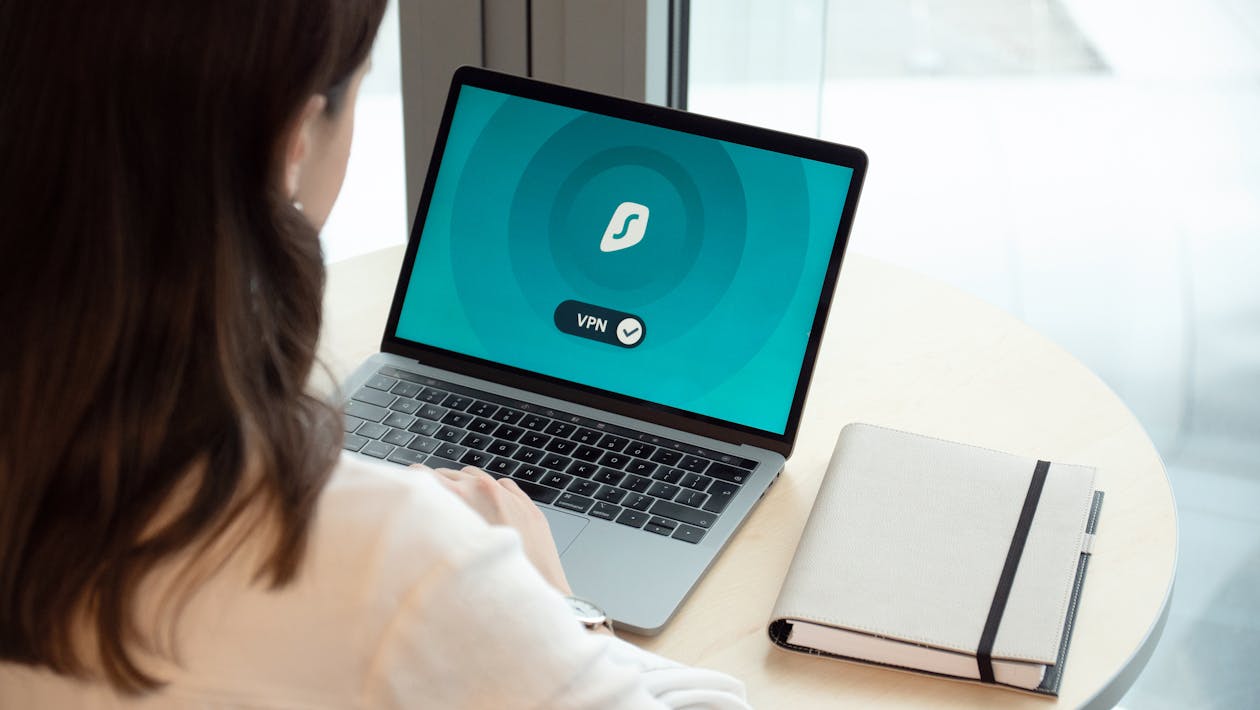
Photo by Dan Nelson, please show support by following @pexel.com
Two Times a Fool
You might be thinking to yourself, “who falls for this? I mean just how? Most of the emails I come across are poorly structured and or in bad English.” Well, just because you didn’t fall victim doesn’t mean your adolescent entrepreneur or Gam-gam won’t.
In fact, most victims are either in their 20s or in their mid-late 40s, so that’s either an “I’m still trying to figure it out, oh this link says it can make me rich” or “I’m about to hit a mid-life crisis and my Nigerian princess/wife is still not here.”
People who worked for big-name companies and even some big-name IT companies often become complacent and fall victim to these attacks.
So no matter what the target size is, the effects of phishing are felt around the world.

Photo by Mikhail Nilov, please show support by following @pexel.com
Phishing Abroad
At this junction, you’re probably thinking, “I don’t want to fall victim to this, how do I protect myself or is there a career path to learn more so I can protect others?” You’re in luck, protecting yourself from phishing is possible but to quote Run-DMC, “it’s tricky”.
As mentioned earlier, attackers find interesting ways to pull money and information out of you. Some ways you could protect yourself are by double checking the email for grammar, misspelled words, and links that may seem fishy (saw what I did there) an example of this would be the word “google” spelled in the link as “go0g1e”, and finally double checking the person contacting you.
If they’re asking for information that they should have on hand and you’ve had no dealings with them or their company, swipe left because it’s a scam likely. Do you want to protect others?
There are countless entry-level cybersecurity jobs and for most of them, you don’t need a degree. An Information Security Analyst is one of the most common entry-level jobs, in which they are responsible for system and network security analysis.
You can learn the necessary skills on your own through a Bootcamp (which I wouldn’t recommend since they can get pricey) or by grabbing some online courses. I currently hold a certificate for Cybersecurity Analysis provided by IBM via Coursera.
It may be just a certificate that doesn’t hold much weight as a certification but passing the quizzes and projects wasn’t an easy ride.

Photo by Andrea Piacquadio, please show support by following @pexels.com
Made it this far and found this to be entertaining? Then a big thanks to you and please show your support by cracking a like, scripting a comment, or plug-in to follow.
Would like to give sincere thanks to current followers and subscribers, your support and actions mean a lot and has a play in the creation of each script.
Think you have what it takes to enter the world of cyber security?
Script a comment below about a time when you got a suspect looking email.
