

The Thinking Minute
Imagine this: you’re sitting down, staring at the screen, and I’m about to throw you into an existential whirlpool—but stay with me. One day, hopefully far from now, you won’t be here. No more sunsets, no more memes, no more you. Now that the gravity of that thought has anchored itself, let’s ask the big question: what makes anything we do in this fleeting existence matter? We grind through our daily lives, often driven by the hamster wheel of work and bills, sacrificing self-growth on the altar of employment. Yet, life is finite—and doesn’t that truth compel us to ask, “What is this all for?”
Here’s where this gets even more fascinating. Picture this: after you’ve shuffled off this mortal coil, someone dons a VR headset. In an instant, there you are—fully rendered, fully interactive, almost as if you never left. How would it feel to live on in this digital eternity? Would the knowledge of this virtual persistence change how we live our physical lives? These questions touch the edge of both philosophy and technology, and today, we’ll dive headfirst into the deep end of this thought-provoking fusion. Buckle up; it’s going to get weird—in the best way.
Exploring the Wonders of VR/AR and AI Technology
Virtual Reality (VR) and Augmented Reality (AR) are transforming the way we interact with the digital and physical worlds. These groundbreaking innovations extend far beyond novelty—they have applications that enrich education, entertainment, healthcare, and so much more.
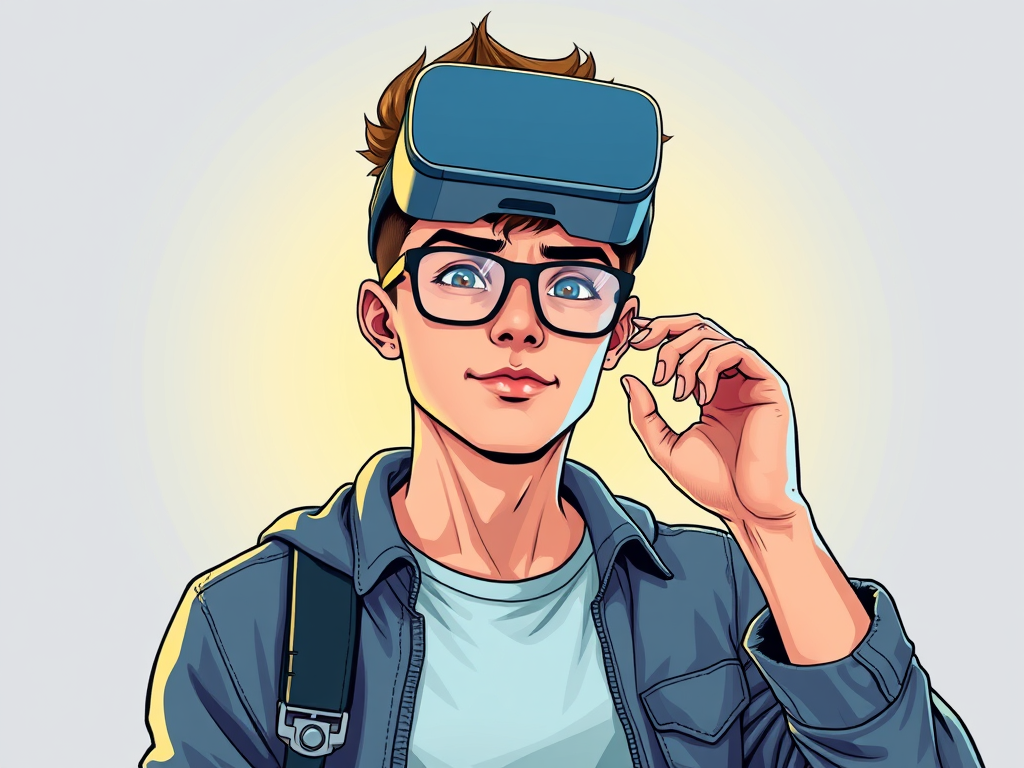
The Purpose of VR and AR
The primary goal of VR and AR is to reshape how we engage with both our surroundings and the digital realm. VR immerses users entirely in a computer-generated environment, enabling experiences like gaming, virtual training, therapy, or even simulated travel to far-off places. In contrast, AR overlays digital information on the real world, augmenting daily tasks such as navigation, surgical procedures, or even retail through virtual try-ons. Together, these technologies bridge the gap between the physical and digital, redefining the way we live, learn, work, and play.
The Progress of VR/AR Technology
Over the years, VR/AR has seen remarkable advancements. Early models were bulky and functionally limited, but modern devices like the Meta Quest, Microsoft HoloLens, and AR-enabled smartphones offer highly interactive and immersive experiences. These technologies have found widespread use in fields such as healthcare, education, and industrial design, enabling high-fidelity simulations and training environments. However, challenges remain, such as reducing costs, improving user comfort (e.g., mitigating motion sickness), and creating even more natural interfaces. Exciting developments like lightweight headsets, enhanced resolution, and seamless AR glasses are paving the way for even broader adoption.
AI: Can It Replicate Loved Ones?
AI holds the potential to replicate certain aspects of a loved one by using data such as photos, videos, voice recordings, and written communication. Advanced machine learning algorithms enable the creation of digital avatars or chatbots that mimic a person’s appearance, speech, and even emotional expressions. While these representations can evoke familiarity, they lack the depth of consciousness, personality, and the unique dynamism of human beings. As fascinating as this prospect is, it raises important ethical questions about consent, privacy, and the psychological impact on users.
The Cost of Digital Connections
Maintaining a digital likeness of a loved one would likely involve a subscription model for data storage, regular updates, and ongoing AI refinement. The price of such services would vary depending on the level of detail and functionality desired. For many, the decision would be highly personal, influenced by financial circumstances and emotional priorities.

Current Technologies That Simulate Reanimation
While true reanimation remains impossible, today’s technology can replicate certain facets of a loved one’s presence. For example, holographic displays can visually project lifelike representations, and AI-driven voice interfaces allow simulated conversations. Deepfake technology adds another layer of realism by animating visuals in convincing ways. However, these tools, while powerful, remain limited to imitation and lack the genuine emotional connection and consciousness of a loved one.
Ethical Considerations and the Road Ahead
As these technologies continue to evolve, they open extraordinary possibilities while raising complex ethical dilemmas. Questions around data privacy, the psychological effects of engaging with digital replications, and societal implications need careful consideration. At the same time, innovations in VR, AR, and AI offer immense potential to enrich lives, preserve memories, and transform industries.
These breakthroughs underscore humanity’s drive to push the boundaries of innovation. As we navigate their development and adoption, it’s vital to balance technological possibilities with ethical responsibilities. What does the future hold for these advancements? Only time will tell, but their impact is already reshaping our world.
Key Takeaways
- Purpose of VR/AR: VR creates immersive digital environments, while AR overlays digital elements onto the real world. Both aim to bridge physical and digital spaces, redefining experiences in various sectors like gaming, healthcare, and education.
- Advancements in VR/AR: Modern devices, such as the Meta Quest and Microsoft HoloLens, provide sophisticated and interactive experiences. Progress includes lighter headsets, enhanced resolution, and seamless AR glasses, though challenges like cost and user comfort remain.
- AI and Loved Ones’ Replication: AI can replicate aspects of a loved one using data inputs (e.g., photos, messages, videos). Machine learning enables simulations of speech and behaviors, but these replications lack the depth, consciousness, and dynamic essence of human beings.
- Costs of Digital Maintenance: Maintaining a digital likeness of a loved one may involve subscription fees for data storage, updates, and model refinement, making it a personal and emotional financial decision.
- Technologies for Reanimation: While true reanimation is unattainable, technologies like holographic displays, deepfake creations, and AI-driven digital avatars simulate some aspects of a loved one’s presence, albeit in an imitative way.
- Ethical Considerations: The use of AI for replicating loved ones raises important ethical concerns, including privacy, consent, and emotional impacts on users.
- Broader Impact: These advancements reflect humanity’s innovative drive, offering opportunities to enrich lives while demanding thoughtful consideration of their societal and emotional implications.
Love learning tech? Join our community of passionate minds! Share your knowledge, ask questions, and grow together. Like, comment, and subscribe to fuel the movement!
Don’t forget to share.
Every Second Counts. Help our website grow and reach more people in need. Donate today to make a difference!
Make a one-time donation
Make a monthly donation
Make a yearly donation
Choose an amount
Or enter a custom amount
Your contribution is appreciated.
Your contribution is appreciated.
Your contribution is appreciated.
Discover more from Scriptingthewhy.com
Subscribe to get the latest posts sent to your email.

